

The disappearance of 18-year-old student-athlete Nolan Xavier Wells during a Fourth of July celebration on Horn Island has deeply affected the Ocean Springs community and captured national attention. As search-and-rescue operations intensified over the last 48 hours, the discovery of unidentified remains on the remote barrier island has left the public seeking answers and safety protocols for high-traffic coastal destinations. While authorities work to finalize their identification, the situation remains a delicate and unfolding story of a community united by hope and sorrow.
Beyond the immediate news reports, the tragic circumstances surrounding Nolan Wells highlight the critical need for heightened awareness regarding emergency preparedness and navigation in remote Gulf Coast environments. As the narrative transitions from a search mission to broader reflections on public safety, it becomes essential to process these high-stakes events with clarity and focus. Remaining vigilant is not only vital for our personal safety but also for the endurance required to support one another through such profoundly difficult moments.
The Search for Nolan Xavier Wells: A Timeline of Events
The disappearance of Nolan Xavier Wells, an 18-year-old student-athlete from Ocean Springs, Mississippi, has drawn significant national attention following a tragic turn of events during the Fourth of July weekend. On July 4, 2026, Wells was reported missing while visiting Horn Island, a remote and largely undeveloped barrier island located in the Gulf of Mexico. The island, known for its pristine beauty, is a popular destination for holiday celebrations, yet its lack of cellular infrastructure and isolated geography posed immediate challenges for search-and-rescue teams when communication became impossible.
Key Developments in the Search Operation
- July 4, 2026: Nolan Wells was last seen at approximately 3:00 p.m. on Horn Island. Family members noted that he was separated from his mobile device, which hindered initial attempts to track his location through digital footprints.
- July 5, 2026: Search-and-rescue operations intensified as local authorities, supported by maritime agencies, launched a coordinated effort to canvas the island and surrounding waters.
- July 6, 2026: During the ongoing search efforts, recovery teams located a body on the island.
While the discovery of human remains has brought a somber tone to the situation, it is important to emphasize that as of July 6, 2026, authorities have not yet issued an official statement confirming the identity of the remains. Officials are currently conducting a forensic examination to verify whether the individual is indeed the missing teen. The community and the public continue to await official confirmation from the Jackson County authorities. The nolan wells missing case serves as a stark reminder of the inherent risks associated with visiting remote, high-traffic tourist areas where emergency response times are naturally extended by geography and environmental conditions. As this remains an active investigation, updates will continue to be provided as verified information becomes available from official law enforcement sources.
The Geography of Horn Island and Associated Risks
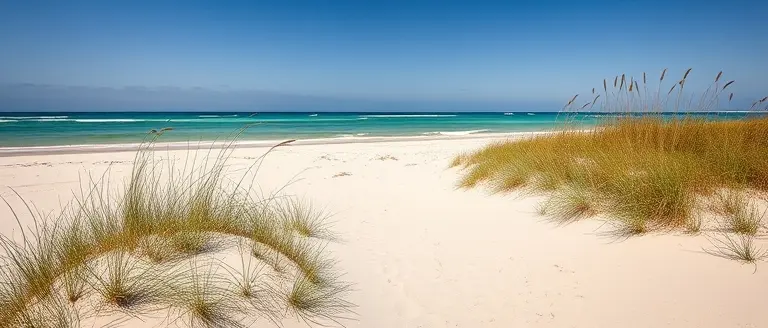
Horn Island, a part of the Gulf Islands National Seashore, is a pristine, undeveloped barrier island located off the coast of Mississippi. While its remote beauty and untouched beaches make it a premier destination for holiday celebrations and recreational boating, the same characteristics that draw visitors also present significant safety challenges. Unlike mainland beaches with lifeguard presence and immediate emergency vehicle access, Horn Island is largely isolated. Navigating the island requires an understanding of the complex marine environment, where tidal shifts and weather patterns can change with little warning, complicating search-and-rescue operations such as those recently seen in the search for Nolan Xavier Wells.
Environmental Hazards and Emergency Logistics
The geography of the region is inherently unpredictable. The waters surrounding the barrier islands are subject to strong currents, shifting sandbars, and rapid changes in depth. When an individual goes missing—a situation that has deeply impacted the community following the reports of Nolan Wells missing—the vast, unmapped interior of the island and the surrounding gulf waters create a massive search perimeter. Key factors that contribute to the danger of the island include:
- Limited Communication: Cell phone signal and GPS tracking can be unreliable or non-existent in dense, remote segments of the island, often preventing timely SOS signals.
- Rapid Tidal Changes: Rising tides can quickly isolate sandbars or trap individuals on remote stretches of the coast, making navigation back to primary camp locations difficult.
- Emergency Response Lag Time: Because access is limited to boat or air travel, medical personnel cannot reach the island instantaneously, increasing the urgency for visitors to practice extreme caution.
- Environmental Exposure: The lack of shade and fresh water, combined with high humidity, poses a risk of heat-related illness, which can further impede a person’s ability to navigate back to safety.
Visitors frequenting these areas are encouraged to always file a float plan with a family member, carry a backup satellite communication device, and maintain a close watch on local marine forecasts. The recent tragedy on Horn Island serves as a somber reminder that in remote coastal environments, preparation is the most critical element of survival.
Emergency Preparedness for Remote Coastal Excursions
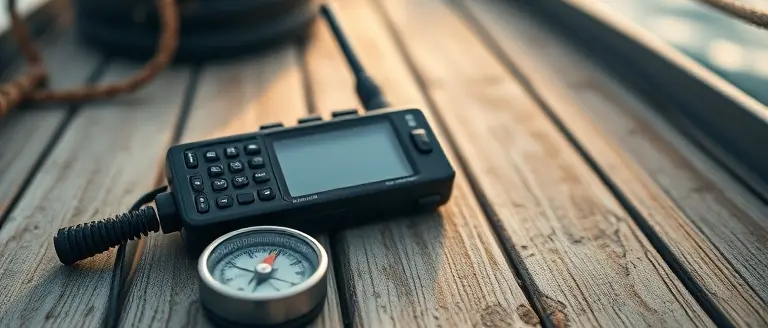
The recent disappearance of Nolan Xavier Wells on Horn Island serves as a somber reminder of the inherent risks associated with visiting remote barrier islands. When traveling to isolated coastal regions where cell phone service is unreliable or non-existent, standard safety precautions are insufficient. Travelers must adopt a proactive approach to emergency preparedness, ensuring they have redundant systems in place before leaving the mainland. Situational awareness is the first line of defense; visitors should never assume that they will have the ability to call for help if they become separated from their group or encounter an environmental emergency.
Essential Safety Protocols for Remote Areas
To mitigate the dangers of remote island excursions, consider implementing the following safety measures:
- File a Detailed Float Plan: Always leave a written itinerary with a reliable contact on the mainland, including your estimated departure time, expected return, and exact drop-off/pick-up coordinates.
- Utilize Redundant Communication: Because cellular networks often fail in the Gulf of Mexico, invest in satellite-based messengers (such as Garmin inReach) or a handheld VHF marine radio. These devices offer a direct line to emergency services or maritime authorities.
- Monitor Environmental Conditions: Check local tide charts and weather forecasts continuously. Rapid changes in currents or localized storms can quickly render remote beaches inaccessible or hazardous.
- Maintain Group Cohesion: In areas like Horn Island, where terrain can be deceptive, establish clear “stay-together” rules. If someone like Nolan Wells becomes separated, having a pre-determined meeting point is vital.
- Carry Survival Basics: Always pack a “go-bag” containing a whistle, signaling mirror, extra water, and a basic first-aid kit.
Ultimately, navigating isolated barrier islands requires respect for the natural environment. While public concern regarding the Nolan Wells missing case remains high, the broader goal for the outdoor community is to internalize these safety habits. By prioritizing communication and planning, visitors can reduce the likelihood of tragedy in high-traffic tourist areas and remote wilderness settings alike. Staying informed and prepared is not just a recommendation—it is a necessity for anyone venturing into the Gulf’s unpredictable coastal landscape.
Community Response and Safety Initiatives
The disappearance of Nolan Xavier Wells has deeply impacted the Ocean Springs community, serving as a somber reminder of the vulnerabilities associated with recreational activities on remote barrier islands like Horn Island. As the local community navigates this difficult period, there has been an overwhelming outpouring of support for his family. This tragedy has galvanized residents and local officials to re-evaluate how public safety information is disseminated during peak holiday travel periods, especially when crowds flock to the Gulf of Mexico for Fourth of July celebrations.
Enhancing Water Safety and Preparedness
The incident involving Nolan Wells missing status during the holiday weekend highlights an urgent need for enhanced safety awareness. Remote locations often lack immediate cellular connectivity and infrastructure, making standard emergency response protocols difficult to execute. To improve safety outcomes in the Gulf region, local organizations are advocating for several proactive measures:
- Formal Water Safety Training: Families are encouraged to enroll youth in certified swimming and water survival courses to build confidence and skills for coastal environments.
- Emergency Communication Protocols: Always establish a “check-in” schedule when traveling to remote areas where phone service is unreliable. Utilizing satellite-based tracking devices or GPS beacons is recommended for offshore excursions.
- Boating Safety and Awareness: Travelers should familiarize themselves with local maritime conditions, including rip currents and tidal shifts that can rapidly change near barrier islands.
- Buddy System Mandates: Regardless of age, maintaining constant visual contact with companions remains the most effective defense against becoming separated in crowded or isolated outdoor settings.
Moving forward, the goal for community leaders is to transform this collective grief into meaningful action. By prioritizing public education regarding emergency preparedness, residents can ensure that the lessons learned from this tragedy contribute to a safer environment for everyone exploring the Mississippi coastline. Focusing on these safety initiatives will help honor those impacted by these events while fostering a more resilient and informed community.
Cultivating Clarity During Times of Uncertainty
The tragic events surrounding the disappearance of Nolan Xavier Wells have left the Ocean Springs community and the nation in a state of profound reflection. As authorities continue their investigation and provide closure to the families involved, the incident serves as a somber reminder of the inherent risks present in even our most celebrated coastal areas. While we await further details, the collective experience of following such a high-stakes search underscores the heavy emotional toll and cognitive exhaustion that communities face during a crisis.
Maintaining composure and alertness is paramount when navigating news of this magnitude, yet the mental fog that accompanies prolonged stress often clouds our ability to remain vigilant. In moments like these, supporting your cognitive resilience is not just a luxury; it is a necessity for situational awareness and emotional stability. The Brain Song offers a scientifically-backed, non-invasive approach to sharpening your focus and alleviating the cognitive strain caused by constant crisis management.
By utilizing precise, neuroscience-based auditory stimulation, this tool helps clear the mental clutter, allowing you to stay present, informed, and capable of supporting your community when it matters most. It is the natural next step for anyone looking to sustain their mental clarity and maintain a steady, focused mind during challenging times.  Support your mental clarity during challenging times; discover how sound patterns can sharpen your focus today. Sharpen My Focus Now!