
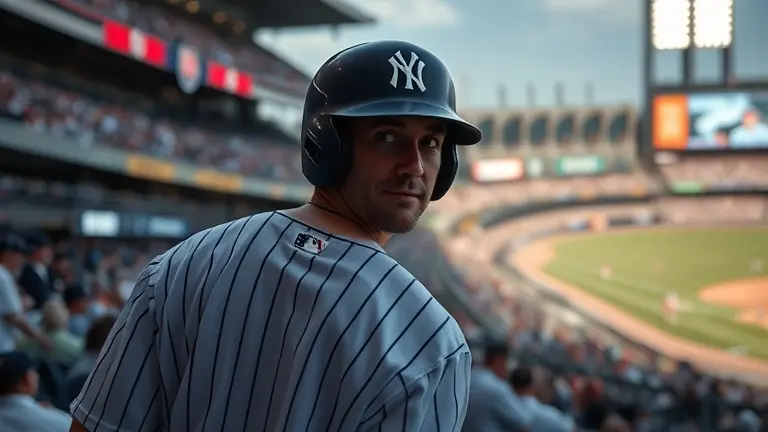
As the United States marked its 250th anniversary, the hallowed grounds of Yankee Stadium transformed into a crucible of high-stakes baseball that few could have predicted. The Minnesota Twins arrived in the Bronx not just to compete, but to dismantle, punctuating an explosive July 4th performance with a six-home run barrage that left the Yankees reeling in an 11-4 defeat. This historic shellacking serves as a microcosm of a larger, more troubling trend for New York, which has now surrendered eight of its last nine games. While the headlines focus on the surface-level carnage, the deeper narrative lies in the pitching collapse—specifically the tactical exposure of rookie Brendan Beck—compounded by the concerning foot injury of Zebby Matthews, which casts a long, uncertain shadow over the remainder of this high-profile series.
For the observant fan, this series is far more than a simple holiday schedule; it is a complex chess match between a surging offensive powerhouse and a home team currently battling both physical attrition and psychological fatigue. Navigating the dense data of pitching metrics, injury pivots, and momentum shifts requires a level of cognitive endurance that goes beyond casual spectating. Much like the athletes themselves must maintain unwavering focus under the intense lights of Yankee Stadium, those of us decoding the tactical intricacies of this slump need our minds operating at peak performance to truly capture the story behind the stats.
Fireworks at Yankee Stadium: A Holiday Weekend Series to Remember
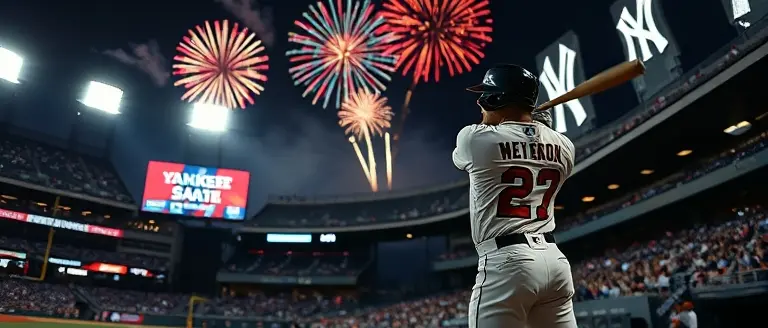
The atmosphere at Yankee Stadium this Independence Day weekend transcended the typical buzz of mid-summer baseball. As the nation celebrated its 250th anniversary, the Twins vs Yankees rivalry took center stage, providing a high-stakes backdrop that proved far more volatile than the festive fireworks displays above the Bronx. The visiting Minnesota Twins delivered a resounding statement on July 4, dismantling the New York pitching staff in an 11-4 rout that underscored the widening gap between the surging visitors and the struggling Bronx Bombers.
The offensive display was historic, as Minnesota connected for six home runs in a single game for the first time in nearly three years. Josh Bell served as the catalyst for this power surge, launching two homers and demoralizing a Yankees pitching rotation already reeling from a disastrous stretch. The sheer efficiency of the Twins’ lineup highlighted a tactical mismatch, specifically exposing rookie pitcher Brendan Beck, whose inability to navigate the Twins’ deep hitting order became a primary narrative of the holiday fiasco.
This lopsided victory served as a grim reflection of the Yankees’ current form. Having dropped eight of their last nine games, New York appears to be in a profound slump characterized by:
- Pitching Fragility: An inability to provide length or containment during high-leverage innings.
- Injury Compounding: A roster stretched thin by recent health setbacks, leaving the bullpen exposed.
- Momentum Shifts: The palpable contrast between Minnesota’s cohesive, aggressive approach and New York’s stagnant, reactive play.
While the Twins celebrated, the mood was tempered by the health status of pitcher Zebby Matthews, who exited the game with a concerning foot injury. However, the return of Byron Buxton to the Twins’ lineup provided a much-needed morale boost, signaling that Minnesota is serious about maintaining its competitive edge. For the Yankees, the remainder of this series represents a critical inflection point—a chance to halt their downward spiral before the season’s mid-point deficit becomes insurmountable.
The Yankee Slump: Analyzing a Struggling Rotation

The New York Yankees are currently navigating a profound identity crisis, marked by an alarming stretch where they have dropped eight of their last nine contests. This downward spiral has exposed deep fissures in a rotation that, until recently, appeared capable of carrying the team through the mid-summer grind. The twins vs yankees Independence Day series highlighted this vulnerability, as the Minnesota offense dismantled New York’s pitching staff with a relentless display of power. Specifically, the outing by rookie Brendan Beck served as a microcosm of the Yankees’ broader struggles; his inability to command the zone against a surging lineup resulted in significant damage, culminating in the Twins tallying six home runs in a single game—a feat Minnesota had not achieved in nearly three years.
Metrics of a Systemic Failure
The stark contrast between Minnesota’s offensive efficiency and the Yankees’ pitching regression suggests that the issue extends beyond simple bad luck. When analyzing the current state of the Yankees’ rotation, several alarming trends emerge:
- High Exit Velocity: Opposing batters are consistently squaring up pitches, leading to an unsustainable rate of hard-hit balls.
- Command Issues: A lack of precise location, particularly from younger arms like Beck, has allowed hitters to capitalize on mistakes in the heart of the plate.
- Bullpen Overextension: Because the starting rotation is failing to provide length, the relief corps is facing unprecedented fatigue, leading to a cascade effect of high-leverage runs allowed.
While the Yankees attempt to stabilize their staff, the offensive prowess displayed by the Twins—led by multi-homer performances from players like Josh Bell—has exacerbated the pressure on the New York dugout. The current atmosphere at Yankee Stadium is one of palpable tension; if the club cannot address these mechanical and tactical lapses quickly, the “skid” threatens to derail their postseason ambitions during this pivotal 250th anniversary season. To regain their competitive edge, the Yankees must prioritize strike-zone discipline and refine the sequencing of their young pitching assets before the deficit in the standings becomes insurmountable.
Injury Updates: Zebby Matthews and the Minnesota Pitching Strategy
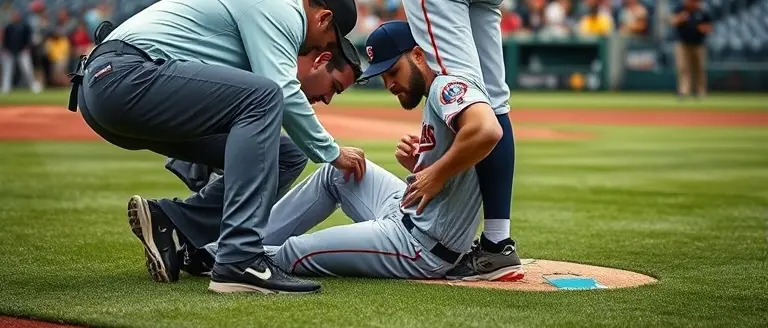
The Minnesota Twins find themselves in a complex tactical position following the unexpected exit of pitcher Zebby Matthews during their high-stakes twins vs yankees series. Matthews, who has been a steadying force in the rotation, exited the contest prematurely due to a concerning foot injury. While the team’s medical staff continues to evaluate the severity of the ailment, the departure of a starter of his caliber immediately shifts the burden onto the Twins’ bullpen depth. This development forces manager Rocco Baldelli to reconsider his arm-management strategy for the remainder of the holiday weekend, especially as the team looks to sustain the momentum gained from their explosive six-home-run performance at Yankee Stadium.
Strategic Implications for the Bullpen
With Matthews potentially sidelined, the reliance on high-leverage relief arms increases significantly. The current rotation strategy now faces a stress test that could dictate the outcome of this series against a desperate New York squad. Key concerns regarding the Minnesota pitching strategy include:
- Bullpen Load Management: The relief corps must now be utilized more conservatively to bridge the gap left by Matthews’ vacancy, potentially forcing short-rest scenarios for key bridge relievers.
- Rotation Flexibility: The Twins may need to rely on “bulk innings” from long-relief specialists to protect their high-leverage arms for late-game situations.
- Impact on Series Dynamics: With the New York Yankees reeling from a slump—having lost eight of their last nine games—the Twins’ ability to provide efficient starting pitching remains the final hurdle to fully capitalizing on the current MLB power imbalance.
The return of veteran presence Byron Buxton provides a necessary offensive buffer, allowing the pitching staff slightly more room for error. However, as the series continues during the 250th anniversary celebrations of the United States, the Twins’ ability to mask their rotation vulnerabilities will be just as critical as the long-ball production that defined their July 4th victory. Evidence suggests that if Minnesota cannot find a consistent replacement for Matthews’ scheduled innings, they risk allowing the struggling Yankees an opportunity to regain their offensive footing.
Byron Buxton’s Return and the Outlook for the Series

The return of Byron Buxton to the Minnesota Twins lineup provides a significant tactical boost, signaling a resurgence during this critical Independence Day weekend series. After struggling with a hip injury, Buxton’s presence brings a unique dynamic to the outfield and the batting order, providing the kind of elite athleticism that puts immense pressure on opposing pitchers. His ability to impact the game on both sides of the ball complements a Twins offense that recently demonstrated historic power, hitting six home runs in a single game for the first time in nearly three years. This offensive explosion against the New York Yankees—highlighted by Josh Bell’s multi-homer performance—suggests that the Twins have found their rhythm at the plate just as they face a vulnerable pitching staff.
Strategic Outlook and Momentum Shifts
As the series continues at Yankee Stadium, the narrative has shifted heavily in favor of Minnesota. The Yankees are currently navigating a difficult stretch, having dropped eight of their last nine games, leading to visible tension within the organization. While the Twins must monitor the status of pitcher Zebby Matthews following his foot injury, their depth suggests they can maintain pressure on a struggling Yankees rotation that failed to contain the Twins’ power hitters. For the Yankees to salvage the remainder of the series, they must address their defensive lapses and find consistency from their pitching staff, which was dismantled by Minnesota’s aggressive approach.
- Offensive Surge: The Twins’ ability to secure an 11-4 victory proves they can capitalize on high-stakes matchups, regardless of the venue.
- Pitching Fragility: With rookie Brendan Beck and other staff members struggling, the Yankees are under intense pressure to stabilize their mound presence.
- Injury Management: The recovery of Zebby Matthews remains a focal point; his potential absence forces the Twins to rely on bullpen depth during the latter half of the holiday weekend.
- The 250th Anniversary Pressure: Playing during this historic 2026 milestone adds a layer of expectation for the Yankees, who must now play with increased urgency to break their current skid.
The ongoing twins vs yankees clash has transformed into a litmus test for both franchises. While Minnesota looks to solidify its standing as a postseason contender, the Yankees are effectively fighting to stop their slide before it becomes a season-defining crisis.
Master the Complexity of the Diamond
The collision between the surging Twins and the battered Yankees is a reminder that in elite sports, the margin between dominance and decline is razor-thin. Whether it is the tactical breakdown of Brendan Beck’s pitching or the broader implications of Byron Buxton’s return, staying ahead of this narrative requires more than just watching the box score—it demands an analytical sharpness that can cut through the noise of a long, fatigue-inducing holiday weekend.
Analyzing these high-stakes matchups shouldn’t feel like a chore clouded by mental fog. Just as a professional athlete relies on specific training to reach their peak, you can sharpen your own cognitive clarity to better process complex statistical breakdowns. We recommend integrating a specialized routine to elevate your mental game, ensuring that you possess the focus needed to remain an expert observer of the sport you love.
By incorporating an intentional auditory focus protocol, you bridge the gap between being a casual observer and a truly informed fan. It is the perfect tool for any sports enthusiast looking to optimize their mental output during critical series like this one. If you are ready to process data with precision and stop letting brain fog dull your sports-viewing experience, now is the time to act.
 Elevate your game and sharpen your focus; click here to try the 12-minute auditory routine that professional analysts and dedicated fans are using to stay ahead of the curve.Transform My Mental Clarity Today!