

The tennis world remains in a state of shock following the dramatic scenes at the All England Club this past July 5, 2026. As the dust settles on Naomi Osaka’s stunning fourth-round victory over the formidable World No. 1 Aryna Sabalenka, the conversation has moved far beyond the initial headlines of an upset. While many focused on Sabalenka’s visible frustration as she exited the tournament, the true story lies in the tactical and psychological evolution of Osaka, who managed to dismantle the most powerful game on the women’s tour on her least favorite surface.
This clash was the third meeting between the two titans in just three months, marking the crescendo of a rivalry defined by contrasting styles and rapidly shifting momentum. To understand why Osaka thrived where so many have failed, we must look past the power statistics and analyze the strategic maturity that allowed her to neutralize the reigning queen of the baseline. This victory was a triumph of poise, proving that in the highest echelons of professional sport, the most lethal weapon is not a booming serve, but a perfectly calibrated mental state.
Wimbledon 2026: Naomi Osaka Stuns Top Seed Aryna Sabalenka
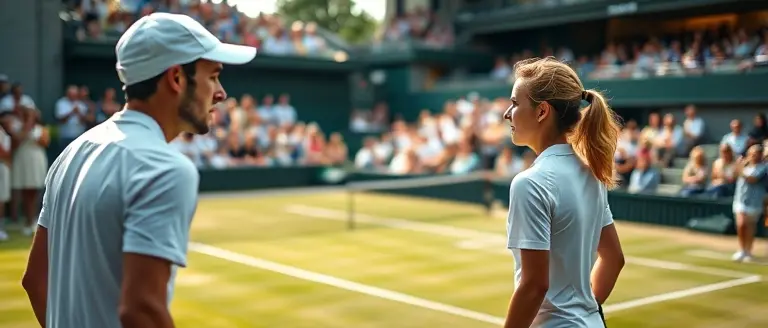
The tennis landscape shifted dramatically on July 5, 2026, when Naomi Osaka secured a career-defining victory over World No. 1 Aryna Sabalenka at the All England Club. Entering the fourth round of Wimbledon as the heavy favorite, Sabalenka’s straight-sets exit marked her earliest Grand Slam departure in four years, a result that sent shockwaves through the tournament. This encounter served as the third installment of a fierce rivalry between the two stars in just 90 days, highlighting an increasingly volatile competitive dynamic. While much of the initial post-match discourse focused on reports of Sabalenka’s visible frustration following the defeat, the victory served as a testament to Osaka’s tactical evolution and growing comfort on grass, a surface that has historically challenged her aggressive baseline game.
Tactical Maturity and the Rivalry Renewed
The Sabalenka vs Osaka rivalry has quickly become the most compelling narrative in women’s tennis. Despite the high-stakes pressure, Osaka managed to neutralize Sabalenka’s raw power through superior court positioning and disciplined shot selection. Analysts have pointed to several key factors that differentiated this performance from their previous matchups:
- Adaptation to Surface: Osaka demonstrated improved movement and lower gravity on the grass, effectively countering Sabalenka’s pace.
- Neutralizing the Power Game: By forcing longer rallies and prioritizing precision over pure speed, Osaka minimized the windows of opportunity for the top seed to dictate points.
- Psychological Resilience: Osaka maintained composure throughout the high-tension match, contrasting sharply with the intensity witnessed on the other side of the net.
Beyond the baseline, the match also drew significant media attention for Osaka tennis aesthetics, specifically her choice of on-court attire, which once again kept her at the center of the cultural conversation surrounding the sport. While the media cycle continues to speculate on the nature of the post-match interactions, the technical reality remains clear: Osaka has successfully integrated a more patient, strategic approach to her grass-court repertoire. This victory does not merely represent an upset; it signals a potential paradigm shift in the competitive hierarchy of the WTA tour, forcing opponents to rethink their strategies against an increasingly versatile Osaka.
Tactical Breakdown: Neutralizing the World No. 1’s Power
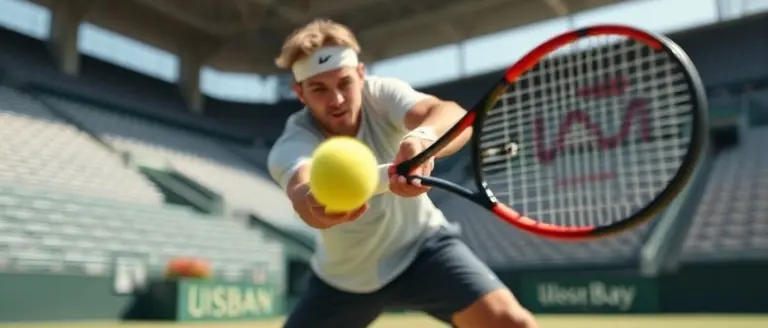
The recent showdown between Naomi Osaka and Aryna Sabalenka at Wimbledon 2026 served as a masterclass in tactical discipline. While sabalenka entered the match as the heavy favorite, relying on her trademark explosive baseline power, osaka successfully dismantled that rhythm through a sophisticated adaptation to the grass surface. By shifting away from a purely aggressive baseline-to-baseline exchange, osaka tennis evolved to prioritize variety, forcing the World No. 1 into uncomfortable positions where her power could not find a clean target.
Strategic Adjustments and Pace Redirection
The defining factor in this sabalenka vs osaka clash was the use of low-trajectory shots and defensive slices. On the slick surface of the All England Club, Osaka consistently kept the ball below the strike zone, preventing the heavy-hitting Belarusian from generating the high-bouncing, powerful cross-court angles she prefers. Key tactical takeaways from the match include:
- Pace Redirection: Instead of matching power, Osaka absorbed the incoming velocity, using deep, flatter drives that left Sabalenka reaching for balls rather than stepping into them.
- Serve Placement Diversity: By moving away from purely high-speed serves, Osaka utilized precise wide angles to pull her opponent off the court, creating open space for short, clinical winners.
- Defensive Slice Utilization: Using the slice to keep the ball skidding low on the turf was crucial in neutralizing the rhythm of the match, often forcing Sabalenka to over-hit in an attempt to manufacture pace.
By maintaining this disciplined structure, osaka effectively starved her opponent of the “free points” that typically define a sabalenka win. This victory marks a significant evolution in Osaka’s tactical maturity, proving she can translate her hard-court prowess into a winning formula on grass by neutralizing pure power with high-IQ tennis.
Osaka’s Grass Court Evolution: A Newfound Comfort Zone
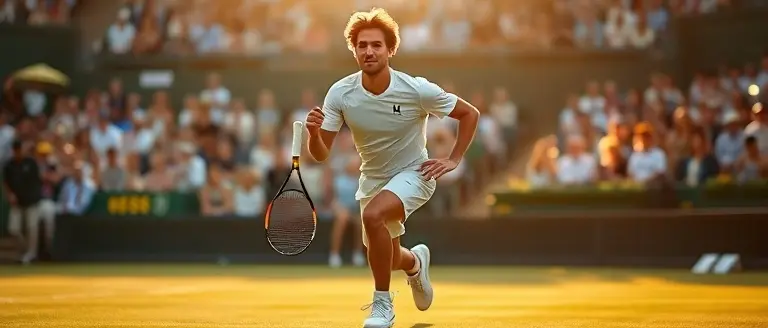
Historically, Naomi Osaka has been candid about her discomfort on grass, often citing the unpredictable low bounce and the reliance on serve-and-volley tactics as barriers to her preferred baseline rhythm. However, her masterclass against Aryna Sabalenka at Wimbledon 2026 serves as definitive proof that her game has undergone a structural transformation. No longer reliant solely on raw power, Osaka demonstrated a sophisticated tactical approach that effectively neutralized the world number one’s aggressive baseline dominance. By lowering her center of gravity and shortening her backswing, she successfully adjusted to the slick surface, allowing her to take the ball earlier and force Sabalenka into uncomfortable defensive positions.
Tactical Shifts on the Lawn
The victory in this high-stakes sabalenka vs osaka encounter highlighted several key technical refinements in Osaka’s grass-court profile:
- Improved Footwork: Osaka displayed superior balance, particularly when sliding into wider shots—a movement she previously struggled with on the grass at the All England Club.
- Patience in Rally Construction: Rather than forcing winners, osaka tennis focused on depth and redirection, waiting for the opportune moment to strike against the hard-hitting Belarusian.
- Strategic Defensive play: By embracing the low bounce rather than fighting it, she utilized slice backhands to keep the ball out of Sabalenka’s strike zone, effectively dismantling the top seed’s rhythm.
This evolution is significant, as it suggests a maturation in her playing style that transcends the specific surface. While the tennis community remains focused on the shock of the upset, the underlying reality is that osaka has expanded her strategic repertoire. Her ability to thrive under pressure against a power player like aryna sabalenka signals a dangerous new chapter for her career, proving that she can adapt her game to the specific demands of the sport’s most unforgiving surface. This tactical maturity marks a turning point, moving her from a surface-specialist outsider to a legitimate threat on the pristine lawns of SW19.
The Three-Match Arc: Mapping the Sabalenka-Osaka Rivalry
The recent collision at the All England Club was far from an isolated incident; rather, it served as the dramatic crescendo to a high-stakes tactical chess match between Aryna Sabalenka and Naomi Osaka. Over the last 90 days, the tennis world has witnessed a compelling three-match arc that tracks the shifting power dynamics between the two superstars. This series has forced both athletes to recalibrate their strategies, moving from standard baseline exchanges to complex, surface-specific maneuvering that has defined the current 2026 season.
Tactical Evolution and Growing Stakes
Their recent encounters suggest a narrowing gap in technical proficiency. While sabalenka often relies on sheer baseline dominance, osaka tennis has undergone a refined evolution, particularly regarding court coverage and defensive agility. The trajectory of their recent matches reveals significant shifts:
- Initial Engagement: The first match established the baseline power disparity, with Sabalenka initially dictating pace and forcing errors.
- The Mid-Phase Adjustment: By their second meeting, observers noted that osaka began implementing a more varied serve placement, neutralizing the aggressive returns that usually anchor Sabalenka’s game.
- The Wimbledon Climax: The third match on July 5, 2026, saw sabalenka vs osaka culminate in a tactical masterclass. Osaka utilized low-bouncing slices to disrupt Sabalenka’s rhythm, effectively turning the World No. 1’s power into a liability on the unpredictable grass surface.
This intensity has only fueled the narrative of a renewed rivalry. The mounting pressure of facing an opponent three times in one quarter has moved these matches beyond mere sport, turning them into psychological battles of attrition. As Osaka continues to refine her movement on grass, the tennis community is left to wonder if this Wimbledon upset marks a permanent shift in hierarchy or simply the next turn in a highly competitive, fast-moving chess match that has defined the summer of 2026.
Mastering Your Own Mental Edge
Naomi Osaka’s victory at Wimbledon wasn’t just a physical win; it was a masterclass in psychological resilience. By dissecting the intense pressure that defines this Sabalenka vs Osaka rivalry, we see that the true separator in elite performance is the ability to maintain cognitive clarity under immense strain. When the world is watching and expectations are at their peak, it is the mental game—not just the raw power—that dictates the outcome.
Just as Osaka utilized elite-level mental conditioning to dismantle Sabalenka’s power, you can optimize your own cognitive clarity and focus with a routine that leverages the same principles of brainwave stimulation. The Brain Song serves as your personal accelerator for mental performance, bridging the gap between passive observation of greatness and the active, science-backed sharpening of your own cognitive edge. By integrating this tool into your daily life, you are moving beyond simple preparation and into a state of optimized mental acuity.
If you are ready to eliminate brain fog and harness the same focus that wins championships, the path is clear. It is time to treat your mind with the same precision and commitment as a world-class athlete.  Harness the same clarity that wins championships: Start your 12-minute daily cognitive routine here. Transform My Mental Focus Today!