
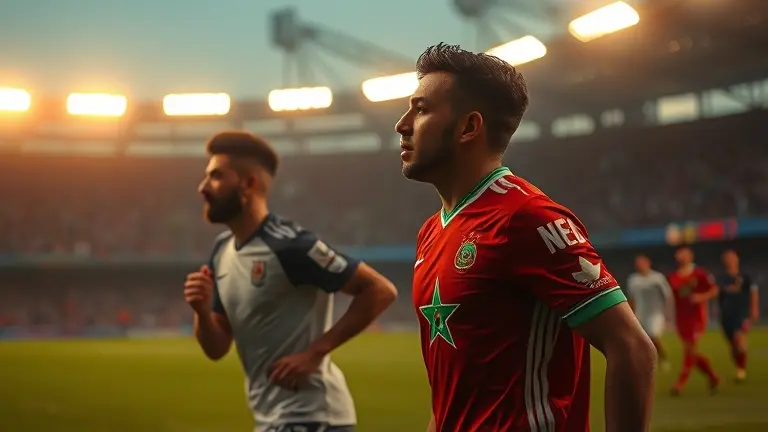
The dream of a deep tournament run for the Canadian national team dissolved in the sweltering heat of Houston, as a clinical Moroccan side dismantled the co-host in a decisive 3-0 Round of 16 victory. While the stadium atmosphere was electric, the tactical reality on the pitch told a more sobering story of a team overwhelmed by professional precision. This wasn’t just a loss; it was a comprehensive masterclass in spatial awareness and transition play, anchored by the brilliance of Azzedine Ounahi, whose brace effectively punctured the Canadian narrative and silenced the expectant home crowd.
As the dust settles on this high-stakes fixture, it is clear that the gap between international ambition and tactical execution remains a significant hurdle for the Canadian Soccer Association. Beyond the raw emotions of an early exit, the match serves as a cold, analytical case study on the importance of composure under the most intense pressure imaginable. For the devoted fan and the modern analyst, dissecting where the gears shifted is vital to understanding the evolving hierarchy of world football and identifying the specific failures that ultimately cost Canada their place in the quarter-finals.
The Houston Exit: Analyzing the Canada vs. Morocco World Cup Clash
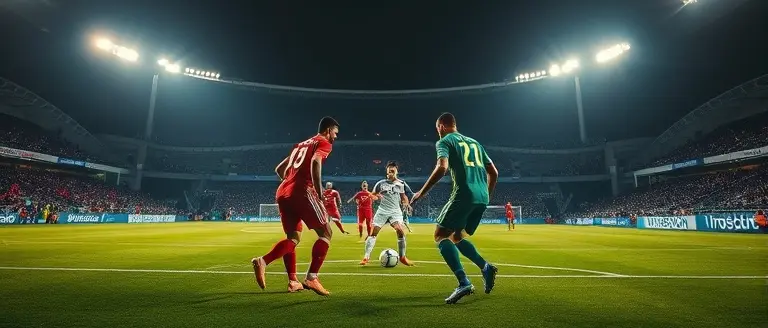
The Canada vs Morocco Round of 16 fixture at NRG Stadium in Houston represented a watershed moment for the 2026 FIFA World Cup. Entering the match, the co-host nation carried the weight of national expectation, aiming to capitalize on home-field advantage to secure a quarter-final berth. However, the reality of the pitch proved starkly different. Morocco displayed a masterclass in tactical discipline and clinical efficiency, effectively dismantling Canada’s structure to secure a decisive 3-0 victory. This result not only marked the premature end of Canada’s tournament run but also served as a sobering lesson on the ruthless nature of knockout football at the highest international level.
Tactical Mastery and the Ounahi Factor
The match was defined by Morocco’s superior midfield control and the individual brilliance of Azzedine Ounahi. While much of the pre-match narrative focused on Canada’s transition game, it was the North African side that dictated the tempo, utilizing quick vertical passes to exploit gaps in the Canadian defensive line.
Key takeaways from the defeat include:
- Midfield Overload: Morocco successfully neutralized Canada’s central pivot, forcing the host nation into low-percentage wide crosses.
- Clinical Finishing: Unlike in previous group stage matches, Morocco maximized their chances, with Ounahi’s brace exposing lapses in individual marking.
- Psychological Pressure: As the deficit grew, Canada struggled to maintain their tactical shape, ultimately leaving the defense vulnerable to the counter-attack.
This loss serves as a definitive end to Canada’s 2026 journey, forcing the Canadian Soccer Association to pivot toward long-term developmental introspection. While the host nation’s exit is a significant disappointment for local fans, the morocco world cup campaign continues as a testament to their squad’s technical evolution and resilience on the world stage. For Canada, the focus now shifts from the thrill of hosting to the necessity of refining their tactical identity against elite global competition.
Tactical Breakdown: How Morocco Outplayed the Canadian Setup

The Canada vs Morocco Round of 16 clash in Houston provided a masterclass in tactical discipline versus structural vulnerability. While the Canada World Cup squad entered the match with high expectations and a proactive wing-back system, they were consistently dismantled by a Morocco side that prioritized a rigid defensive block coupled with lethal vertical transitions. Canada’s reliance on pushing their wing-backs high up the pitch backfired, as they frequently left the center-back channels exposed, allowing the Atlas Lions to exploit space behind the defensive line with surgical precision.
The Ounahi Factor and Midfield Dominance
The defining tactical narrative of the match was the movement of Azzedine Ounahi. By drifting into the “half-spaces” between Canada’s defensive line and their holding midfielders, Ounahi effectively nullified the host nation’s primary buildup structure.
- Defensive Compactness: Morocco maintained a narrow 4-1-4-1 formation when out of possession, which forced Canada to circulate the ball horizontally rather than progressing through the center.
- Transition Efficiency: Every time Canada lost possession in the final third, Morocco launched immediate counters. The speed of these transitions meant Canada’s wing-backs could not recover in time, leaving the center-backs isolated in 1v1 situations.
- Midfield Imbalance: Canada’s midfield lacked the recovery pace necessary to track Ounahi’s deep, diagonal runs. As he pulled defenders out of position, the passing lanes opened up for the Moroccan front line to capitalize on high-percentage scoring opportunities.
Ultimately, this morocco vs canada fixture showcased a significant gap in tactical maturity. While Canada pushed for an equalizer in the second half, their lack of defensive cover proved fatal, leading to the clinical goals that sealed their exit. The match remains a defining moment in the 2026 tournament, illustrating how a disciplined, counter-attacking philosophy can neutralize the home-field advantage of a proactive, high-pressing team.
Rising Star: The Brilliance of Azzedine Ounahi

In the high-stakes atmosphere of the 2026 FIFA World Cup Round of 16 in Houston, Azzedine Ounahi delivered a masterclass that effectively dismantled the Canadian defensive structure. His decisive brace in the Canada vs Morocco clash was not merely a product of clinical finishing, but a testament to his elite spatial awareness and tactical versatility. As Morocco navigated the pressure of a hostile crowd cheering for the co-host, Ounahi functioned as the primary engine for the Atlas Lions, constantly finding pockets of space between Canada’s midfield and back line. His ability to manipulate defensive shapes made him the undisputed standout of this morocco vs canada fixture.
Technical Dominance and Tactical Impact
Ounahi’s performance highlighted why he is currently considered one of the most intelligent midfielders in international football. His technical profile during this match revealed several key attributes that contributed to the 3-0 result:
- Final Third Efficiency: Ounahi’s movement off the ball forced Canadian defenders to commit prematurely, opening passing lanes for his teammates and creating high-quality shooting opportunities for himself.
- Composure Under Pressure: Despite the intensity of a knockout match, his retention of possession under the physical press of the Canada world cup squad allowed Morocco to dictate the tempo of the game.
- Versatile Positioning: By drifting from central channels into wider areas, he disrupted the defensive coordination of the Canadian backline, effectively nullifying their transition play.
The brilliance of Ounahi during this morocco victory underscores a broader evolution in the team’s tactical setup. By empowering creators like Ounahi to exploit transition moments, the Moroccan squad has moved beyond defensive rigidity, evolving into a lethal attacking force. His clinical finishing in the Round of 16 not only silenced the home fans but solidified his trajectory as a major figure in the remainder of the tournament. For observers analyzing the canada morocco result, Ounahi stands out as the ultimate difference-maker whose individual quality shifted the balance of power decisively toward North Africa.
The Road Ahead: Rebuilding the Canadian Soccer Association

The decisive 3-0 defeat in the Canada vs Morocco Round of 16 clash has sent shockwaves through the domestic landscape, forcing the Canadian Soccer Association to undergo an immediate, critical self-assessment. While hosting the 2026 World Cup provided an unprecedented platform for growth, the early exit has exposed structural gaps between Canada’s ambitious vision and its current on-field execution. To ensure the momentum from this tournament is not wasted, the federation must pivot toward long-term sustainability rather than relying on short-term tactical fixes.
Strategic Priorities for Future Growth
To remain competitive with emerging international powers like Morocco, the Canadian program requires a systemic evolution in how it develops and sustains talent. The tactical masterclass displayed by the Moroccan side highlighted a need for greater positional discipline and composure under high-pressure scenarios, areas where Canada struggled during the tournament. The Canadian Soccer Association must now focus on the following pillars to avoid stagnant progress:
- Elite Youth Infrastructure: Increasing investment in regional academies to ensure a consistent pipeline of players capable of competing at the highest international levels.
- Tactical Versatility: Moving beyond a one-dimensional playing style by diversifying coaching philosophies to better adapt to global tactical trends.
- Professional Depth: Strengthening the domestic league systems to provide more playing minutes for local prospects who need experience against elite competition.
- High-Performance Culture: Implementing long-term, data-driven performance metrics to bridge the gap between amateur development and the rigorous demands of a Canada World Cup campaign.
The disappointment felt by fans across the nation following the morocco vs canada match is a clear indicator of how far the sport has progressed in terms of public interest. However, for Canada to evolve from a competitive host into a perennial contender, it must move toward a more sophisticated model of governance and talent cultivation. The loss to Morocco should be viewed not as a failure, but as a mandatory catalyst for the modernization of the Canadian soccer ecosystem.
Mastering the Analytical Game
The elimination of a host nation like Canada provides a stark reminder that passion alone cannot overcome structural deficiencies in tactical discipline. As we deconstruct this match, the lesson is clear: victory at the highest level requires more than raw talent; it requires a superior ability to process tactical information in real-time. Just as elite athletes require immense mental clarity to execute complex maneuvers under pressure, fans analyzing these high-stakes matches need sustained focus to truly grasp the nuances of the game.
To navigate the remainder of the World Cup with the same precision as a top-tier manager, you need to elevate your own cognitive processing. This is where The Brain Song becomes an essential tool in your tactical toolkit. By enhancing mental focus and cognitive endurance, it allows you to consume deep-dive data and dense tactical breakdowns without the distraction of mental fatigue, ensuring you never miss the subtle shifts that decide matches. It is the ultimate mental conditioning for the modern fan who refuses to settle for superficial commentary.
Whether you are dissecting the failure of a backline or tracking the evolution of a playmaker like Ounahi, maintaining peak mental performance is the competitive advantage you have been missing. Transform your analysis from passive viewing to active expertise and gain the clarity required to truly understand the beautiful game at its highest level.
 Sharpen your analytical edge for the remainder of the World Cup bracket by incorporating this neuroscience-backed routine into your daily analysis.Unlock My Analytical Edge Now!