

The July 4th showdown between the Golden State Valkyries and the Atlanta Dream was far more than a standard regular-season matchup; it was a high-stakes display of contrasting team identities. As the Valkyries continue to solidify their inaugural season presence with an impressive 13-7 record, their defensive intensity has become the league’s most compelling narrative. Conversely, the Atlanta Dream entered the court desperate to snap a four-game skid, relying heavily on the physical dominance and rebounding prowess of Angel Reese to anchor their offensive sets.
For the dedicated sports analyst, this game provided a masterclass in mid-season adjustments. While the final score tells one story, the tactical nuances—from the Valkyries’ perimeter rotations to the Dream’s struggle to find consistent scoring rhythm—reveal the true health of these franchises as they pivot toward the playoff push. Understanding these complexities requires more than casual viewership; it demands a sharp, analytical eye to dissect why defensive efficiency prevails in the heat of a July summer.
Golden State Valkyries vs. Atlanta Dream: The July 4th Matchup Recap
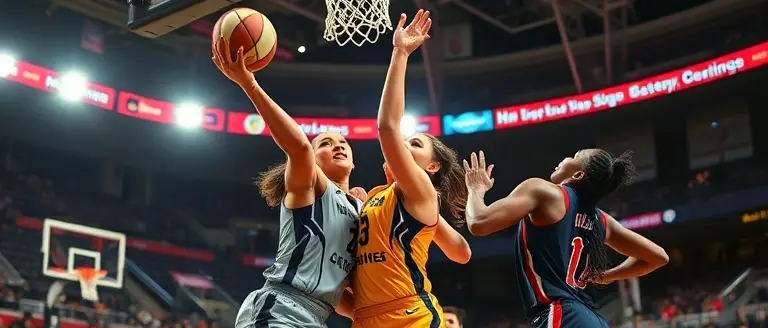
The July 4, 2026, Valkyries vs Dream matchup served as a defining moment for both franchises as they navigated the intensity of the mid-summer WNBA calendar. Entering the arena with a solid 13-7 record, the Golden State Valkyries continued to demonstrate why they are considered a formidable newcomer to the league. Their defensive efficiency was on full display throughout the contest, effectively stifling Atlanta’s offensive rhythm and capitalizing on transition opportunities that left the Dream struggling to find their footing. This victory reinforces the Valkyries’ status as a legitimate playoff contender, proving that their early-season success is sustainable rather than a fleeting anomaly.
Strategic Breakdown and Player Impact
For the Atlanta Dream, the stakes were high as they looked to snap a frustrating four-game losing streak. Despite an aggressive effort to control the paint, the Dream faced relentless pressure from the Golden State defensive front. Angel Reese remained a central focus for the Atlanta offense, working tirelessly to secure rebounds and provide second-chance scoring opportunities. However, the Valkyries’ disciplined rotations made it difficult for Atlanta to sustain a lead, ultimately resulting in a high-stakes, back-and-forth affair that tested both teams’ tactical endurance.
Key takeaways from the game include:
- Defensive Resilience: The Valkyries’ ability to limit high-percentage shots proved decisive in neutralizing Atlanta’s perimeter threats.
- Rebound Battle: While Angel Reese fought to dominate the glass, the Valkyries utilized a team-rebounding approach that minimized the Dream’s ability to convert offensive boards into momentum-shifting points.
- Turning Points: A series of critical defensive stops in the third quarter allowed Golden State to pull away, effectively stalling any potential comeback rally from the visitors.
As the season progresses, this game serves as a stark reminder of the league’s parity. While the Valkyries continue to refine their championship-level chemistry, the Atlanta Dream must address their execution in clutch scenarios if they hope to climb back into the playoff hunt.
Defensive Masterclass: Analyzing the Valkyries’ Efficiency

The Golden State Valkyries solidified their status as a legitimate championship contender by executing a textbook defensive game plan during their matchup against the Atlanta Dream. Holding a impressive 13-7 record, the Valkyries have built their identity on high-intensity perimeter pressure and elite rim protection. Throughout the Valkyries vs Dream contest, the Golden State defense stifled Atlanta’s transition offense, forcing difficult shot selection and limiting second-chance opportunities that typically fuel their opponents’ momentum. By clogging the passing lanes and forcing high-volume turnovers, the Valkyries successfully disrupted the Dream’s offensive rhythm, effectively neutralizing the interior presence that Angel Reese usually provides.
Tactical Keys to Defensive Dominance
The defensive consistency displayed by Golden State is not merely a product of individual talent, but a result of a disciplined, cohesive scheme that prioritizes team defense over highlight-reel blocks. Key metrics from the game highlight why this defensive masterclass was so effective:
- Defensive Rotation: The Valkyries employed a sophisticated help-side defensive strategy, allowing them to swarm the paint whenever the Dream attempted to drive.
- Forced Turnovers: By applying persistent backcourt pressure, Golden State consistently forced Atlanta into unforced errors, turning defensive stops into transition points.
- Rim Protection: The frontline maintained verticality at the rim, which frustrated Atlanta’s attempts to score in the paint and forced the Dream to settle for contested mid-range jumpers.
This defensive efficiency has been the cornerstone of the Valkyries’ mid-season success. While the offense provides the necessary scoring, it is this unwavering commitment to defensive fundamentals that creates the winning margin in tight games. As the WNBA schedule intensifies, Golden State’s ability to sustain this level of defensive pressure will be the primary factor in determining their potential for a deep playoff run. For fans analyzing the Valkyries vs Dream result, it is clear that the game was won in the trenches, where Golden State’s superior defensive rotations ultimately suffocated the opposition’s comeback efforts.
The Atlanta Dream Struggle: Assessing the Mid-Season Turnaround
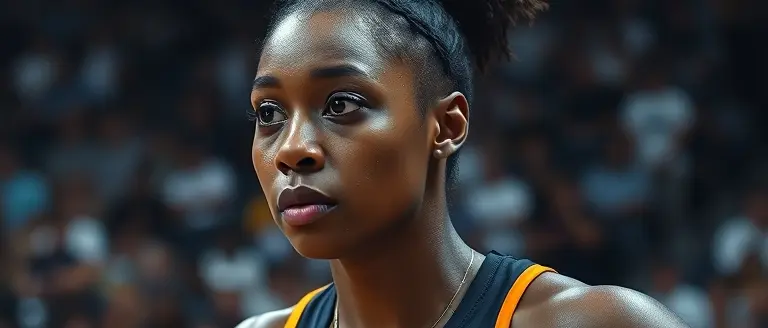
The Atlanta Dream find themselves at a critical crossroads as they navigate a challenging mid-season slump. Entering the matchup against the Golden State Valkyries, the pressure was palpable; a four-game losing streak has forced the coaching staff to re-evaluate their rotation and offensive chemistry. While the team possesses the raw talent to compete, the lack of late-game execution has hindered their ability to secure necessary victories. For a squad looking to remain relevant in the playoff picture, the Valkyries vs Dream contest served as a litmus test for their resilience.
Angel Reese and the Offensive Focal Point
At the heart of the Dream’s tactical approach is Angel Reese, who has increasingly become the focal point of the offense. Reese’s elite ability to control the paint and dominate the glass provides Atlanta with essential second-chance opportunities, yet the team’s reliance on her performance creates a double-edged sword. When opposing defenses collapse on Reese, the perimeter shooters must step up to alleviate the pressure. During this losing streak, the disconnect between frontcourt production and perimeter spacing has been a recurring theme, leading to stagnated sets that allow opponents to dictate the pace of the game.
Pathways to Improvement
To reverse their current trajectory, the Atlanta Dream must prioritize structural adjustments in the following areas:
- Defensive Transition: Improving their recovery time to prevent fast-break points against high-octane teams like the Valkyries.
- Perimeter Consistency: Developing more reliable spot-up shooting to punish teams that double-team the post.
- Rotation Stability: Shortening the bench during high-stakes minutes to ensure the primary playmakers remain fresh.
As the WNBA season progresses, the Dream’s ability to diversify their scoring threats will determine whether they can break this streak and climb back toward a winning record. Internal accountability and tactical discipline remain the keys to navigating this difficult period.
Key Turning Points and Statistical Breakdowns
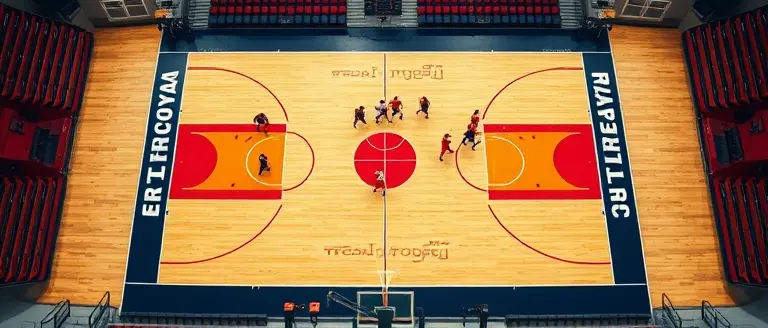
The Valkyries vs Dream matchup served as a definitive case study in defensive efficiency versus the desperation of a team fighting to snap a cold streak. For the Golden State Valkyries, who entered with a strong 13-7 record, the game was decided in the third quarter when their perimeter defensive rotations effectively neutralized the Atlanta Dream’s transition opportunities. A critical turning point occurred mid-way through the frame, where a series of forced turnovers stifled the Dream’s momentum, shifting the game’s tempo from an open-court track meet to a half-court grind that favored the Valkyries’ disciplined defensive system.
Statistical Anomalies and Rebounding Battles
While the final score reflected the Valkyries’ stability, the individual effort of Angel Reese remained the focal point for Atlanta. Despite the loss, Reese’s performance on the glass highlighted both her personal tenacity and the structural struggles of the Dream. Analyzing the box score reveals several key factors that defined the final outcome:
- Rebounding Dominance: Reese secured double-digit rebounds, yet the Dream struggled with second-chance points, as the Valkyries effectively collapsed in the paint to negate Atlanta’s put-back attempts.
- Turnover Differential: The Valkyries recorded a season-high in forced turnovers, capitalizing on aggressive traps that kept the Atlanta guards off-balance throughout the second half.
- Shooting Efficiency: The Dream’s inability to convert from the mid-range—an area where they usually rely on spacing—allowed the Valkyries to pack the interior, forcing contested shots that contributed to the Dream’s ongoing four-game losing skid.
Ultimately, the game was lost on the margins. While the Dream found glimpses of offensive rhythm, the Valkyries’ ability to maintain defensive intensity across all four quarters prevented any substantial comeback. This match illustrates a recurring narrative for Atlanta: an over-reliance on individual rebounding strength without a cohesive perimeter shooting plan, leaving the team vulnerable to balanced, high-efficiency opponents like the Golden State franchise.
Mastering the Analytical Edge
Analyzing the nuances of Valkyries vs Dream isn’t just about watching the game; it’s about decoding the patterns that determine long-term success. Whether you are tracking Angel Reese’s relentless pursuit of the glass or evaluating the defensive discipline that defines the Valkyries’ rotation, the ability to maintain peak cognitive focus is what separates the casual observer from the informed analyst. When you digest complex sports data, mental clarity is your most valuable asset.
Just as the Valkyries need pinpoint focus to dismantle a defense, you need that same clarity to catch the subtle trends that define high-stakes basketball. This is where The Brain Song becomes an essential component of your sports toolkit. Designed for the modern fan who treats every possession as a data point, our science-backed formula helps clear the mental fog that often accompanies deep-dive analysis, allowing you to process rebounds, defensive metrics, and betting trends with professional-grade speed and precision.
Stop missing the subtle shifts that define the game. Elevate your analytical mindset and ensure that you catch every turning point with ease. Optimize your cognitive performance today and see the court through a sharper lens.
 Sharpen your game-day focus: Listen to The Brain Song to optimize your analytical edge.Yes, I Want to Sharpen My Focus Now!