
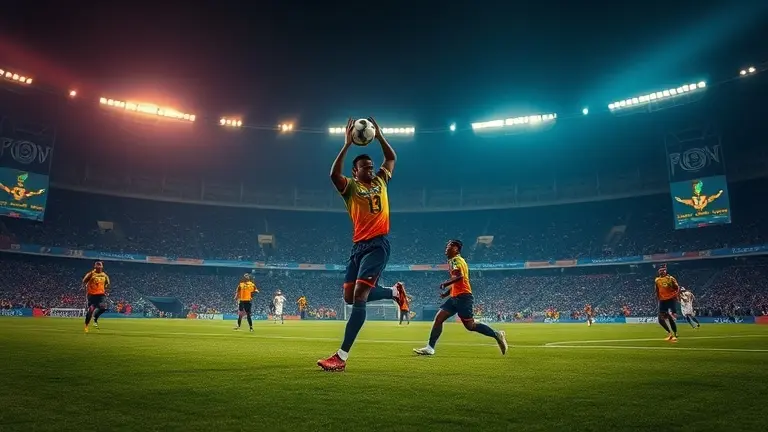
As the 2026 FIFA World Cup reaches its fever pitch, the name Cape Verde (CPV) has become the most searched term in sports. With a modest population of approximately 600,000, this small island nation has achieved the impossible, marching into the Round of 32 to face Argentina in Miami. For many casual viewers and betting enthusiasts, the immediate question is: What country is CPV, and how is it competing at this level? Located off the coast of West Africa, Cape Verde is an archipelago that is punching drastically above its weight, defying every demographic expectation to reach the global stage.
The secret behind this ‘David vs. Goliath’ performance lies in the robust Cape Verdean diaspora and a tactical system that thrives on mental synchronization. Far from being a fluke, their success is built on professional players raised and developed in competitive European leagues, unified by a national pride that transcends geography. As you prepare to watch the upcoming match, understanding the demographic reality of this team is essential. We are diving deep into how this small archipelago became a powerhouse, providing the analytical edge you need to follow this historic tournament run with total clarity.
David vs. Goliath: The Reality Behind Cape Verde’s World Cup Surge

As the 2026 FIFA World Cup reaches its fever pitch, the world is collectively asking: what country is CPV? The answer lies in the Atlantic Ocean, where Cape Verde—a stunning archipelago nation—has captured global imagination. With a total Cape Verde population of approximately 600,000, the island nation’s presence in the Round of 32 is nothing short of a miracle. To put this into perspective, the islands have a population smaller than many individual cities in the United States, yet they are preparing to face the footballing juggernaut of Argentina in a high-stakes match in Miami. This “Cinderella story” has turned casual sports fans into immediate geographers, desperate to understand how such a small, proud nation is standing toe-to-toe with global giants.
The fascination with this team goes beyond simple shock; it is a testament to the power of a unified athletic identity. While many viewers are just learning the country’s codes, the reality of CPV success is rooted in a unique socio-economic landscape. Consider these factors contributing to their historic 2026 run:
Understanding the CPV Phenomenon
- Demographic Context: Cape Verde operates with a population of roughly 600,000, yet its influence on the pitch far outweighs its size, proving that infrastructure and heart often trump sheer numbers.
- The Diaspora Advantage: Much of the squad’s tactical discipline and skill is cultivated abroad, as the Cape Verdean diaspora plays a critical role in importing high-level training and experience back to the national team.
- Global Curiosity: The spike in search interest highlights a growing trend where fans look past traditional powerhouses to embrace underdog narratives, identifying with the resilience of smaller nations on the world stage.
As the squad prepares for the upcoming match against Argentina, the global community continues to look toward the islands for inspiration. This match serves as the ultimate test of the David-vs-Goliath narrative, with the world watching to see if the smallest nation in the bracket can extend its historic journey even further.
More Than an Archipelago: The Power of the Diaspora Squad

The secret behind why a nation with a cape verde population of only 600,000 can compete against global juggernauts lies in a strategic masterclass of scouting and international integration. While casual fans searching for “what country is cpv” might be surprised by the size of the islands, the reality of the squad is that it functions as a global organization. The team’s success is built upon a robust Cape Verdean diaspora, tapping into professional talent pools located far beyond the archipelago’s borders.
Many of the stars currently representing CPV on the world stage were born or raised in European footballing hubs, including Portugal, France, and the Netherlands. By identifying players with Cape Verdean heritage who hold dual citizenship, the national federation has effectively expanded its talent reach from a small island base to a global network of elite professional leagues. This approach allows the team to combine the technical training of top-tier European academies with the fierce national pride of their ancestral home.
How the Diaspora Fuels Success
The transformation of the squad into a tournament contender is driven by several key factors:
- Dual Citizenship Integration: The federation actively recruits players who have gained high-level experience in European leagues, ensuring the squad is hardened by top-flight competition.
- Cultural Connectivity: Despite being raised abroad, many players maintain deep familial ties to the islands, which translates into an exceptionally high level of team chemistry and “on-pitch” chemistry during the World Cup.
- Strategic Scouting: By leveraging a global scouting network, the team avoids the talent limitations typical of a country with such a modest domestic population.
This recruitment strategy demystifies the “Cinderella story” narrative. While the nation’s size is small, the diaspora-focused model provides a tactical pipeline of talent that is both sophisticated and battle-tested. As they prepare for their high-profile clash against Argentina, it is clear that the team’s strength is a direct result of blending local heart with international experience.
Tactical Discipline: The ‘Secret’ Behind CPV’s Defensive Wall
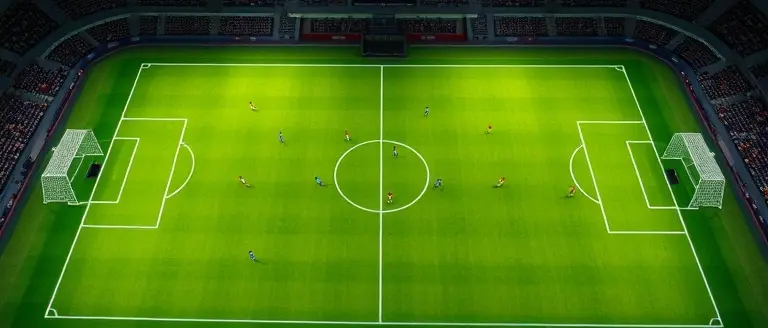
The historic run of CPV (the FIFA country code for Cape Verde) in the 2026 World Cup is no accident; it is the product of a highly refined, low-block defensive system designed to neutralize world-class attacking talent. With a Cape Verde population of just over 600,000, the national team cannot rely on a vast domestic talent pool, forcing them to maximize efficiency. Their tactical blueprint hinges on a suffocating, compact defensive structure that compresses space between the lines, making it incredibly difficult for opponents—including heavyweights like Argentina—to find pockets of space in the final third.
Why the Defensive Wall Works
The team’s success is built upon a transition-heavy approach that transforms defensive resilience into offensive opportunities. By forcing turnovers in deep areas, the squad utilizes blistering speed on the flanks to exploit high defensive lines. Key elements of their tactical success include:
- Zonal Marking Precision: The team shifts as a single unit, ensuring that no player is left isolated against elite attackers.
- Disciplined Counter-Attacking: Every recovery is immediately channeled into a vertical pass, allowing them to punish teams that commit too many players forward.
- Psychological Grit: Given the David-vs-Goliath narrative, the players operate without the pressure of expectation, allowing for a level of composure that often frustrates more “talented” rosters.
For those asking what country is CPV, the answer lies in its unique geographic and cultural blend. Many squad members are products of the Cape Verdean diaspora, bringing high-level technical training from top European academies back to the national setup. This synthesis of discipline, tactical intelligence, and a cohesive “team-first” culture has turned Cape Verde into a tactical nightmare. As they prepare for the Round of 32, their ability to maintain this defensive integrity will be the ultimate test against Argentina’s juggernaut offense. The world is watching to see if this compact structure can hold firm on the biggest stage of them all.
The Road to Miami: A Match for the History Books
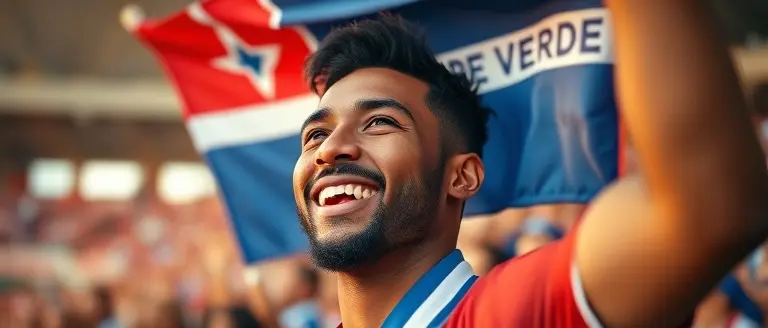
The clash in Miami between the underdog squad representing CPV and the footballing juggernaut of Argentina serves as the quintessential David-vs-Goliath narrative of the 2026 FIFA World Cup. For a nation with a Cape Verde population of approximately 600,000, reaching the Round of 32 is more than a mere sporting accomplishment; it is a transformative cultural milestone. As fans across the United States scramble to understand what country is CPV, they are discovering a resilient archipelago that punches significantly above its weight class on the global stage. The excitement in Miami is palpable, as the local diaspora prepares to witness their national team attempt to topple a global titan on American soil.
This fixture carries profound implications for the future of the nation’s sporting infrastructure. A competitive showing—or a historic upset—against Argentina would provide a massive impetus for government and private investment in domestic training facilities. Currently, the team’s success relies heavily on talent developed abroad; however, the visibility gained from this World Cup run is expected to shift the focus toward long-term development.
Key factors driving the conversation around this historic match include:
- Global Recognition: The tournament has forced the international community to move beyond the question of “what country is CPV” and recognize the tactical discipline of the Cape Verdean squad.
- Economic and Cultural Impact: A strong performance validates the nation’s commitment to international competition, potentially boosting sports tourism and national brand identity.
- The Diaspora Connection: The roster highlights how the Cape Verdean diaspora—predominantly located in Portugal, France, and the US—has acted as a bridge for talent, bringing high-level European tactical training back to the national team.
Whether or not they advance beyond the Round of 32, the “Blue Sharks” have already secured their place in the annals of football history, proving that even a small island nation can command the world’s attention.
Elevate Your Tournament Strategy
The story of Cape Verde is more than just a bracket surprise; it is a masterclass in tactical resilience and the power of a globally connected squad. As the ‘Blue Sharks’ prepare to face Argentina in Miami, their journey reminds us that in football, as in life, size does not dictate outcomes—precision, strategy, and mental clarity do.
Just as the Cape Verdean team relies on extreme mental focus to coordinate their play against world-class titans, you need peak cognitive performance to keep pace with the rapidly evolving narratives of this 2026 World Cup. Deep-diving into demographic trends, player origins, and tactical breakdowns can lead to significant brain fog, potentially clouding your ability to truly appreciate the genius of this Cinderella run. This is where The Brain Song becomes your ultimate tournament companion.
By integrating this science-backed cognitive performance tool into your routine, you are sharpening your analytical edge, ensuring that every data point and tactical shift is processed with maximum clarity. Don’t let mental fatigue keep you from analyzing the game with the same intensity as a professional scout. Elevate your match-day experience and master the complexities of this historic tournament.
 Upgrade your match-day mental performance: Try the 12-minute audio routine that elite analytical fans are using to master complex tournament narratives.Unlock Peak Mental Focus Now!