

The atmosphere in Dallas is electric as Australia and Egypt prepare for a high-stakes Round of 32 clash in the 2026 FIFA World Cup, a fixture that carries immense weight given the daunting prospect of facing Argentina in the quarterfinals. While casual observers fixate on betting lines and basic broadcast schedules, the true narrative lies in the chess match unfolding on the pitch. This is not merely a game of chance; it is a profound tactical test where Australia’s disciplined, high-press defensive structure faces the supreme individual brilliance of Egypt’s Mohamed Salah.
Understanding the “why” behind the potential victory requires more than surface-level analysis. Whether it is Australia’s ability to force defensive transitions or Egypt’s reliance on clinical counter-attacking, the difference between advancing to the next round or crashing out will be decided by minute shifts in focus and spatial awareness. As we break down the bracket implications and the strategic battle lines drawn in Texas, it becomes clear that only those who can process the game’s evolving complexities in real-time will truly appreciate the magnitude of this encounter.
The Road to Dallas: Australia vs. Egypt in the World Cup Round of 32

The atmosphere at AT&T Stadium in Dallas is electric as Australia vs. Egypt takes center stage in the FIFA World Cup 2026 Round of 32. This clash represents a defining intersection of tactical resilience and individual brilliance. For Australia, the Socceroos have utilized a gritty, high-pressing defensive structure to navigate the group stages, proving that cohesive team units can stifle elite opposition. Conversely, Egypt has arrived on the back of inspired attacking displays, spearheaded by Mohamed Salah, whose quest for international glory is widely viewed as his final, most significant challenge on the world’s biggest stage. The egypt vs australia narrative is not merely about advancement; it is a battle of philosophies between Australian collective discipline and Egyptian star-power.
High Stakes and the Argentina Connection
The significance of this match is magnified by the looming shadow of the next bracket. The winner of this knockout fixture earns the daunting, yet prestigious, opportunity to face Argentina in the quarterfinals. For both programs, this represents a unique underdog challenge:
- Tactical Preparation: Australia is expected to employ a mid-block to neutralize Salah’s transition speed, forcing Egypt to break down a compact, disciplined backline.
- The Salah Factor: Analysts suggest the egypt vs australia prediction hinges on whether the Socceroos can maintain focus for ninety minutes or if the Egyptian captain’s movement will dismantle their defensive shape.
- Historical Context: This matchup marks a critical point in the 2026 tournament, offering either nation a legitimate path to rewrite their respective national football histories.
As the world turns its eyes to Texas, the focus shifts from standard group-stage calculations to the cold, unforgiving reality of elimination football. Whether the outcome results in a tactical stalemate or an offensive shootout, the winner secures their place among the elite, proving that even underdogs can dictate the rhythm of the World Cup trajectory.
Tactical Deep Dive: The Salah Factor vs. The Socceroos’ Low Block

The Australia vs Egypt Round of 32 clash in Dallas presents a classic tactical dichotomy: the relentless individual brilliance of Mohamed Salah against the rigid, collective defensive discipline of the Australian national team. As Salah pursues what many analysts describe as his final opportunity for World Cup glory, the Socceroos have prepared a sophisticated low-block strategy designed to compress the spaces where the Egyptian talisman thrives. By narrowing their defensive lines, Australia aims to force play into wide, less dangerous areas and neutralize the lethal half-space penetration that defines Egypt’s offensive identity.
Neutralizing the Egyptian Attack
To effectively counter the threat posed by Egypt, Australia’s coaching staff is expected to implement a “bracket” defensive system. This involves a dedicated defensive midfielder tracking Salah’s movement, supported by a disciplined fullback who refuses to be baited out of position. Key strategic elements include:
- Compact Midfield Triangles: Reducing the distance between the defensive line and the midfield to deny Salah pockets of space between the lines.
- Forced Sideways Distribution: Influencing Egypt to move the ball toward the flanks, where the Socceroos can utilize the touchline as an auxiliary defender.
- Transition Management: Limiting counter-attacking opportunities by maintaining a conservative shape even when in possession, preventing Egypt’s fast-paced transitions from bypassing the midfield.
The Midfield Battle and Transition Risk
While the Egypt vs Australia prediction markets often lean toward an Egyptian victory due to individual star power, the match will likely be won or lost in transition. If Australia successfully absorbs pressure, they must look to exploit the space vacated by Egypt’s aggressive fullbacks. The Socceroos’ ability to transition rapidly from defense to attack could prove the deciding factor, testing whether Egypt’s high line can handle vertical balls behind their defensive unit. Ultimately, if Australia maintains its structural integrity, they have the tactical blueprint to stifle Salah, turning this high-stakes encounter into a grueling war of attrition that plays into their defensive strengths.
The Knockout Betting Landscape: Analytical Trends and Odds Shifts

The Australia vs Egypt matchup has become a focal point for sharp bettors, shifting the focus from simple match-winner lines to nuanced tactical prop markets. As the Egypt vs Australia prediction market tightens, professional syndicates are placing heavy emphasis on the “fatigue factor” inherent in the World Cup 2026 knockout stage. With Dallas temperatures impacting player conditioning, sophisticated models now account for the drop-off in defensive transition speed during the final 20 minutes of play. Bettors are increasingly moving away from standard win-draw-win outcomes, favoring live-betting adjustments that capitalize on the likelihood of a high-stakes, low-scoring first half as both teams prioritize structural integrity over offensive risks.
Value Identification in Tactical Prop Markets
Beyond the standard moneyline, the most significant value for tactical-minded fans lies in individual performance metrics and situational props. Analysts tracking the Egypt vs Australia betting landscape suggest several key areas for consideration:
- Mohamed Salah Shot Props: Given the high stakes of what many sources describe as his final opportunity for global glory, bookmakers have priced his goal-scoring odds aggressively. However, value exists in “shots on target” markets, as Egypt’s strategy relies heavily on his ability to stretch the Australian defensive line.
- Card Accumulation Trends: The psychological pressure of a Round of 32 clash often results in tactical fouls, particularly for Australia’s defensive midfield as they attempt to neutralize counterattacks. The “over” on total yellow cards remains a heavily backed trend among analytics-driven bettors.
- Late-Game Goal Spreads: With the looming shadow of an Argentina matchup in the next round, teams are playing for survival. Expect conservative opening periods followed by increased volatility in the closing stages, making “second half total goals” a critical area of interest.
Professional betting sentiment suggests that because this match serves as a gateway to the next bracket tier, liquidity in the Asian Handicap markets has surged. Observers note that any shift in the opening line is likely dictated by injury updates regarding Australia’s starting back four, which remains the primary variable in the match’s defensive projection.
Bracket Implications: The Shadow of Argentina
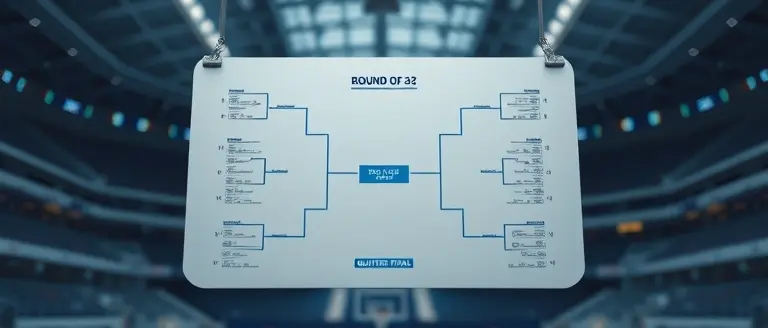
The Australia vs Egypt showdown in Dallas is far more than a Round of 32 clash; it represents a brutal tactical bottleneck leading directly to a monumental quarter-final encounter with Argentina. For either side, surviving this fixture requires an immediate pivot in focus. The scouting reports for Argentina indicate a high-pressing, possession-heavy machine that thrives on transition errors. As spectators weigh the Egypt vs Australia prediction, the real narrative is how these teams will sacrifice their natural rhythm to address the impending threat of Lionel Messi’s squad.
Tactical Shifts for a Quarter-Final Survival
To stand a chance against the defending powerhouses, both Australia and Egypt must reconsider their defensive infrastructure. If Egypt advances, they will likely shift away from their reliance on individual brilliance from Mohamed Salah toward a more rigid, low-block formation designed to frustrate Argentina’s creative midfielders. Conversely, Australia’s path involves maintaining their disciplined shape while attempting to disrupt Argentina’s build-up play. Analysts suggest that the winner of this match must adopt a “tournament-first” mentality, prioritizing defensive structural integrity over the fluid, attacking football that defined their respective group-stage campaigns.
Strategic Considerations for the Next Phase
- Neutralizing the Midfield: Both teams must look to congest the center of the pitch, forcing Argentina into wide areas where cross-field defensive rotations are easier to manage.
- Transition Management: With Argentina’s elite recovery pace, Australia and Egypt must prioritize ball retention. Careless giveaways in the final third will be punished severely by Argentina’s counter-attacking specialists.
- Bench Depth: The stamina required to progress deep into the FIFA World Cup 2026 means that in-game substitutions will be vital. Managers will need to balance playing their stars against the necessity of preserving energy for a potential showdown in the next stage.
Ultimately, the tactical decisions made in Dallas tonight are not just about winning the immediate match; they are foundational bets on which team is better equipped to survive the suffocating pressure of a clash with Argentina.
Mastering the Strategic Edge of the Game
Ultimately, the Australia vs Egypt showdown is a masterclass in contrasting football philosophies. As fans and analysts, deconstructing the way Australia looks to neutralize a world-class threat like Salah provides a deeper connection to the game than any scoreline ever could. To truly interpret the movements, space, and defensive lapses that define a match of this magnitude, you need more than just passion—you need peak cognitive endurance to stay ahead of the play.
Just as a coach needs absolute mental clarity to orchestrate a defense against a global icon, the modern football enthusiast requires a sharpened intellect to process the tactical nuances of high-stakes tournament football. This is where The Brain Song becomes an essential component of your match-day toolkit. By fostering enhanced mental clarity and sustained focus, this cognitive performance tool allows you to cut through the digital noise and dissect complex gameplay data with the precision of a professional scout.
Whether you are projecting the upcoming Argentina matchup or analyzing the tactical failures of the group stage, don’t just watch the game—understand it. Elevate your analytical game and prepare your mind for the intensity of the Round of 32 by ensuring you are at your cognitive best when the stakes are highest.
 Sharpen your analytical focus for the Round of 32—discover how to prime your brain for deep-dive match analysis here.Transform My Analytical Focus Today!