

In a move that sent shockwaves through the NHL, the Minnesota Wild executed a bold roster shake-up on July 2, 2026, by acquiring veteran forward Blake Coleman and defenseman Olli Maatta from the Calgary Flames. In exchange for this influx of experienced talent, Minnesota parted ways with reliable defenseman Jake Middleton and a trio of valuable draft picks. This high-stakes transaction signals a clear pivot for Wild management: the window for a deep championship run is wide open, and they are willing to leverage future assets for immediate, battle-tested production.
As fans and analysts scramble to interpret the long-term salary cap implications and the tactical ripple effects of this trade, the central question remains: did Minnesota sacrifice too much of their foundation for a short-term boost? Whether Olli Maatta stabilizes the bottom-pair or ascends into a top-four role, this move demands a sophisticated look at how these pieces fit into the Wild’s current system. Parsing through these complex financial figures and schematic requirements demands an analytical clarity that few sports trades typically necessitate.
The Trade Heard ‘Round the League: Breaking Down the Wild-Flames Exchange
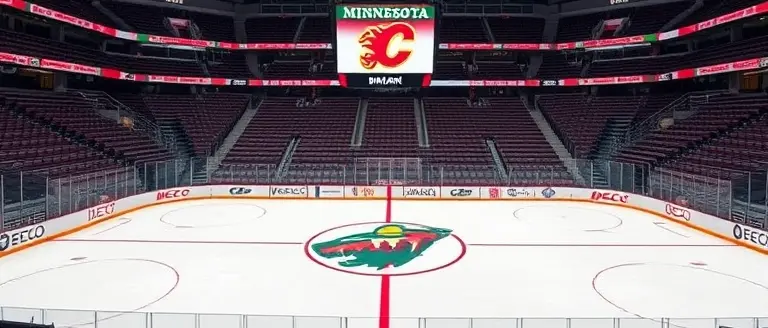
On July 2, 2026, the NHL landscape shifted significantly as the Minnesota Wild executed a bold, aggressive trade with the Calgary Flames. In a move signaling a win-now mentality, Minnesota acquired veteran forward Blake Coleman and reliable defenseman Olli Maatta. To secure these assets, the Wild parted ways with cornerstone defenseman Jake Middleton and surrendered three future draft picks. This transaction serves as a clear indictment of Minnesota’s desire to bolster their depth ahead of an impending championship run, while simultaneously illustrating Calgary’s commitment to a strategic roster retooling.
Strategic Rationale and Roster Impact
The acquisition of Blake Coleman, who remains under contract through 2027 with a $4.9M cap hit, provides the Wild with the high-intensity, two-way hockey required for deep postseason success. General Manager Bill Guerin’s strategy centers on integrating experienced talent capable of handling high-pressure minutes. Meanwhile, the addition of Olli Maatta offers a versatile defensive option, though analysts remain divided on whether he will slot into the top four or stabilize the bottom pair. The move highlights two distinct organizational philosophies:
- Minnesota Wild (Championship Push): Prioritizing veteran pedigree and immediate tactical fit to address specific depth concerns.
- Calgary Flames (Retooling): Accumulating draft capital and cap flexibility to build a sustainable, younger core for the future.
The loss of Jake Middleton is undoubtedly a blow to the Wild’s defensive identity, as his physical presence and chemistry with the defensive core were significant. However, the front office clearly believes that the offensive versatility of Coleman and the defensive stability offered by Maatta provide a higher ceiling for the team. As discourse continues regarding the value of the traded draft picks, the success of this trade will ultimately be measured by Minnesota’s performance when the games matter most in the spring.
Tactical Impact: How Coleman and Maatta Shift the Wild’s Identity

The arrival of Blake Coleman in Minnesota signals a deliberate shift in the Minnesota Wild’s tactical identity, prioritizing high-intensity, championship-tested grit over passive roster retention. Coleman, who carries a $4.9M cap hit through 2027, is not merely a depth scorer; he is a versatile forward whose defensive acumen allows him to thrive in heavy-checking, high-pressure environments. By integrating a player of his pedigree, the Wild are looking to solidify their bottom-six, providing a secondary scoring threat that can reliably shut down opponent top lines during the postseason. His ability to transition rapidly from defensive assignments to offensive zone pressure will be critical for a Minnesota squad looking to bridge the gap between regular-season success and playoff survival.
Defensive Versatility and Strategic Stability
While the loss of Jake Middleton creates a void on the blue line, the acquisition of Olli Maatta provides a steadying, veteran presence designed to stabilize the defensive rotation. Maatta’s tactical value lies in his high hockey IQ and ability to play a simplified, reliable game, which acts as a safeguard for the team’s more aggressive defensive prospects.
The integration of these two veterans changes the team’s tactical ceiling in several ways:
- Enhanced Penalty Killing: Coleman’s experience as a premier shorthanded threat gives the Wild a more dangerous transition game while playing down a man.
- Balanced Defensive Pairings: Olli Maatta brings bottom-pair stability, allowing the coaching staff to optimize defensive minutes and prevent over-reliance on younger, less experienced defenders.
- Championship DNA: Both additions bring extensive experience in deep playoff runs, providing the locker room with the composure necessary to navigate the grueling intensity of a seven-game series.
Ultimately, the Wild are sacrificing future draft capital for immediate tactical reliability. Evidence suggests that management expects this roster shift to provide the structural integrity required for a sustained championship push, banking on the combined two-way performance of Coleman and Maatta to compensate for the departure of core defensive assets.
The Price of Ambition: Assessing the Loss of Jake Middleton

The departure of Jake Middleton marks a significant shift in the Minnesota Wild defensive identity. As a cornerstone of the team’s physical presence, Middleton provided much more than just steady minutes; he functioned as a grit-first leader who anchored the transition game. By offloading him to the Calgary Flames, general manager Bill Guerin is betting heavily that the offensive versatility of Blake Coleman and the structural reliability of Olli Maatta will compensate for the void left on the blue line. While the move signals a clear “all-in” mentality regarding a championship window, losing a player who commanded such respect in the locker room inherently carries risk.
Evaluating the Cost of Draft Capital
The inclusion of three draft picks alongside Middleton in this deal has become a major point of contention among the fanbase. When evaluating this trade through an analytical lens, the following factors remain critical:
- Defensive Depth Concerns: The loss of Middleton creates an immediate reliance on the remaining core to eat difficult, high-leverage minutes.
- Capital vs. Production: Giving up significant draft assets suggests that the front office views this as a short-term gamble rather than a long-term rebuild.
- Tactical Fit: While Blake Coleman provides elite penalty-killing skills and veteran scoring depth, the organization must now find a way to maintain the same defensive shutdown capabilities that Middleton provided during his tenure.
Ultimately, the trade is a classic “win-now” maneuver that favors veteran pedigree over prospect development. If the Minnesota Wild successfully elevate their playoff standing, the loss of Middleton will be viewed as a calculated sacrifice. However, should the defensive structure falter, the combination of his departure and the depleted draft cabinet may prove to be a steep price to pay for the current roster overhaul.
Projected Lines: Forecasting Minnesota’s Championship Blueprint
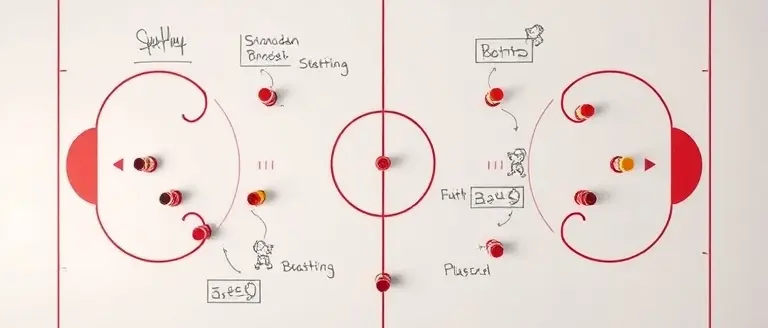
The arrival of Blake Coleman significantly reshapes the Minnesota Wild’s forward rotation, providing the high-energy, playoff-tested versatility that management identified as a primary missing piece. By moving into the middle-six, Coleman is expected to anchor a checking line capable of providing secondary scoring while neutralizing opponent top lines. His presence allows for more tactical flexibility, potentially pushing younger wingers into roles where they can exploit easier matchups, thereby increasing the overall offensive threat level across all four lines. With a cap hit of $4.9M, his role is clearly defined as a stabilizer who thrives in the gritty, high-stakes environments typical of a postseason run.
Strategic Defensive Realignment
The departure of Jake Middleton in this blockbuster deal leaves a void in the defensive corps, but the addition of Olli Maatta offers a calculated solution for bottom-pair reliability. While Maatta may not possess the same physical presence as Middleton, his experience and positional awareness offer the Wild a dependable option for second-unit penalty killing and sheltered minutes. This realignment aims to balance the top-heavy defensive structure, allowing Minnesota’s premier blueliners to manage their energy for the final stretch of the season.
- Forward Depth: The inclusion of Blake Coleman elevates the Wild’s bottom-six, transforming a traditional energy unit into a legitimate scoring threat that can wear down defenses.
- Defensive Stability: Olli Maatta serves as a strategic stabilizer, likely slotting into the third pair to provide essential support while the coaching staff experiments with younger, high-ceiling prospects in the top-four.
- Playoff Readiness: By acquiring seasoned veterans, the Minnesota Wild are prioritizing tactical maturity, ensuring that every shift during a playoff series features players who understand how to control tempo and manage defensive zone exits under pressure.
This roster construction suggests a “win-now” philosophy. By sacrificing long-term assets for immediate, proven talent, the front office is signaling that the current core has reached a window where depth, rather than pure star power, will dictate the outcome of their championship aspirations.
Mastering the Strategic Landscape of the NHL
Ultimately, the acquisition of Coleman and Maatta is a double-edged sword that defines Minnesota’s aggressive championship pursuit. While the loss of a core player like Jake Middleton leaves a palpable void, the strategic versatility brought by these veterans may be the final piece in a complex puzzle. Navigating these depth charts and salary cap structures is an intellectual exercise that mirrors the high-pressure environment of an NHL front office.
Just as a General Manager must maintain intense cognitive focus to execute a trade that balances current depth against future sustainability, you require peak mental endurance to parse these dense tactical details. Understanding the implications of this trade shouldn’t feel like a chore; it should be a sharp, rewarding process. This is exactly where the right mental edge makes all the difference, allowing you to synthesize complex data points into a clear, winning perspective.
By clearing the mental fog, you can fully appreciate the nuances of the Wild’s new roster configuration and stay ahead of the curve as the season unfolds. You deserve an analytical advantage that matches the sophistication of the sport you love, ensuring that no detail—whether it is a cap hit or a line combination—goes unnoticed. Elevate your sports consumption to a professional standard and master the intricacies of the game today.
 Optimize your analytical focus for today’s deep dive; try The Brain Song to clear the fog and master the details.Sharpen My Analytical Focus Now!