

As of early 2026, the global excitement surrounding the next iteration of the mobile phone has hit a strange, muted wall. Consumers are increasingly voicing a collective exhaustion with the current smartphone lifecycle, where flagship releases have shifted from groundbreaking innovations to mere aesthetic refreshes. With market analysts noting that over 60% of premium device users are looking for a true “market reset,” it is clear that we have entered an era of hardware fatigue. The promise of minor camera tweaks or slightly faster processors no longer justifies the heavy financial burden of annual upgrades.
This stagnation forces us to confront a difficult question: are we trapped in a cycle of planned obsolescence, or is there a more meaningful way to allocate our time and resources? Moving beyond the endless comparison of spec sheets, this article investigates the real cost of today’s flagships and explores why the most valuable investment you can make is no longer in the next digital device, but in your own ability to create something tangible, durable, and truly your own.
The End of the Upgrade Cycle: Why Your Current Phone Feels ‘Good Enough’
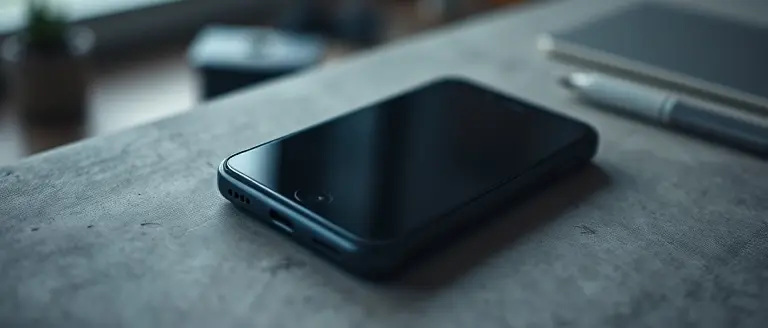
The narrative surrounding the mobile phone industry has shifted dramatically as we enter 2026. For over a decade, consumers were conditioned to view annual hardware refreshes as essential, yet current market trends suggest we have reached a plateau of utility. Recent analysis, including insights from PCMag, highlights a growing sentiment of “hardware fatigue.” Consumers are increasingly recognizing that the incremental boosts in processor speeds and minor camera tweaks no longer justify the significant financial investment required for a flagship upgrade. When your two-year-old device performs nearly every task with the same fluidity as the latest model, the traditional upgrade cycle effectively breaks down.
This market stagnation is not merely a perception; it is a rational response to diminishing returns. As manufacturers struggle to provide revolutionary features, the “gap” between generations has narrowed to a point where only power users notice the difference. This environment has fostered a new consumer mindset characterized by:
- Longevity over Novelty: A clear preference for software support longevity and battery health over superficial aesthetic changes.
- Skepticism of Marginal Gains: A critical evaluation of “pro” features that rarely impact daily productivity or user experience.
- The Wait-and-See Approach: Holding onto current hardware in anticipation of industry-shifting innovations, such as the rumored foldable iPhone, which 61% of premium U.S. users now view as the necessary spark to restart the market.
Ultimately, the current smartphone landscape is no longer driven by the desire for the “latest” device, but by the search for meaningful innovation. As we move away from the era of predictable, annual iterations, the consumer focus is rightfully shifting toward the tangible value and long-term durability of the hardware already in their pockets.
The Foldable Horizon: Is Apple’s Entry the Market Reset We Need?

The current mobile phone landscape is defined by a palpable sense of stagnation, as consumers grow weary of iterative hardware updates that fail to justify flagship price tags. As of January 2026, industry sentiment has shifted toward a search for genuine innovation. According to new data from SmartTech Research, 61% of premium U.S. smartphone users view a potential foldable iPhone as a definitive “market reset” event. This expectation suggests that the traditional slab-glass form factor has reached a terminal point in its lifecycle, with consumers increasingly viewing foldable technology as the only meaningful frontier left to explore in consumer electronics.
Why Foldables Signal a Structural Change
The psychology behind this shift is rooted in the perceived lack of novelty in recent releases. While competitors have populated the market with foldable devices for years, the broader public perception remains that Apple’s entry into the space will serve as the true validator for the category. The weight of this anticipation rests on several key factors:
- Hardware Normalization: Apple’s tendency to wait for technological maturation often leads to higher reliability, which current foldable users see as the missing link for mainstream adoption.
- Software Integration: The industry is waiting to see how a foldable OS can move beyond gimmicky multitasking to provide a truly seamless, high-utility mobile experience.
- Market Catalyst: A entry by the tech giant would likely force a rapid acceleration in app optimization and third-party developer support, effectively resolving the “app gap” that currently plagues the foldable segment.
For the average consumer, this pivot is less about vanity and more about utility. By breaking the monotony of the current mobile phone design language, a foldable device represents a tangible departure from the diminishing returns of annual camera or processor bumps. Whether Apple’s rumored entry will resolve the underlying hardware fatigue remains to be seen, but the data is clear: the market is desperate for a fundamental rethink of how we interact with our pocket technology.
The True Cost of Innovation: Deconstructing Flagship Pricing

The modern mobile phone market has reached a point of diminishing returns that is increasingly difficult for manufacturers to justify. As premium flagships hover near the $1,200 threshold, consumers are facing a growing disconnect between the soaring retail price and the reality of iterative hardware updates. Recent editorial analysis from PCMag underscores a prevailing sense of “hardware fatigue,” where annual releases offer little more than incremental camera sensor tweaks or minor chipset efficiency gains. This trend suggests that the industry is relying on brand loyalty rather than revolutionary performance leaps to drive sales, leaving many users questioning the necessity of the flagship tax.
Why the ‘Premium Tax’ Is Facing Scrutiny
In a landscape where mid-range devices now capture roughly 90% of the flagship experience, the justification for a high-end mobile phone purchase is under intense pressure. Mid-tier hardware has become remarkably capable, offering high-refresh-rate displays, reliable battery life, and processing power that easily exceeds the needs of the average user. As we navigate this period of market stagnation, consumers are prioritizing longevity over prestige. The shift in sentiment is clear: buyers are no longer incentivized by thin-margin spec improvements. Key factors fueling this critical reassessment include:
- Planned Obsolescence vs. Value Retention: Users are increasingly wary of the short support windows and hardware degradation that necessitate a replacement within just two years.
- The “Good Enough” Plateau: With the saturation of core features, the marginal utility of a $400 increase in price has vanished for most daily tasks.
- Market Reset Anticipation: As SmartTech Research suggests, the anticipation for disruptive form factors like a foldable iPhone has halted excitement for traditional slab-style upgrades, effectively stalling the current product cycle.
Ultimately, the true cost of innovation has become detached from the user experience. While manufacturers point to rising R&D costs, the lack of significant breakthroughs suggests that the premium segment is struggling to offer value that justifies the high price tag. For the average consumer, the most logical financial move is often to opt for a well-supported mid-range device rather than buying into the hype of an incremental flagship update.
Navigating the New Era: How to Buy Smarter in 2026
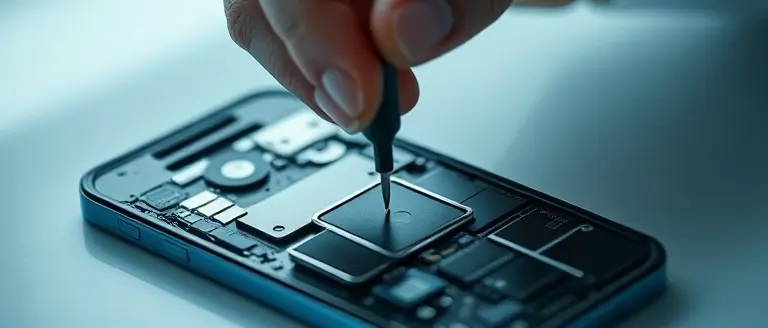
With the current mobile phone market suffering from widespread hardware fatigue, the instinct to upgrade every year is increasingly at odds with reality. As flagship devices offer fewer meaningful improvements, consumers are pivoting toward a “repair-over-replace” mindset. To navigate this shift, prioritize long-term utility over the psychological pressure of tech-induced FOMO. If your current device performs basic tasks efficiently, the marginal gains found in newer iterations—such as slightly brighter screens or minor processor bumps—rarely justify a four-figure investment.
Assessing True Necessity vs. Diminishing Returns
Before reaching for your wallet, evaluate the objective health of your hardware. Most modern flagships are built to last well beyond the traditional two-year contract cycle. Consider these factors to determine if your phone actually requires an upgrade:
- Software Lifecycle: Check your manufacturer’s commitment to security and OS updates. If your device is still receiving critical patches, it remains secure and relevant.
- Battery Degradation: Rather than discarding a phone, replace the battery. Official service centers or reputable third-party repair shops can restore near-original performance for a fraction of the cost of a new flagship.
- Performance Bottlenecks: A sluggish phone is often a symptom of storage clutter or software bloat, not hardware failure. A full factory reset often provides a performance boost that negates the need for a new purchase.
- Genuine Innovation vs. Hype: Ask yourself if your “need” for a new phone is driven by a functional limitation or by marketing hype surrounding niche features like foldables. Unless a specific hardware capability is essential for your workflow, waiting for the market to stabilize is the financially superior choice.
By shifting your focus to software longevity and basic maintenance, you protect your capital while avoiding the stagnation inherent in today’s cycle. Choosing to extend the life of your device is not just a pragmatic financial decision; it is a rejection of the planned obsolescence that currently defines the broader mobile phone industry.
Reclaim Your Value in an Age of Planned Obsolescence
The relentless pursuit of the latest mobile phone has become an exhausting, expensive game of diminishing returns. We are caught in a cycle of high-cost hardware upgrades that offer only marginal improvements, leaving us to rely on corporate product roadmaps that prioritize profit over the longevity of our devices. It is time to step back, reassess where our resources go, and recognize that true value is rarely found in another incremental glass-and-metal slab.
While the tech industry keeps you in a passive loop of consumption, a growing movement of individuals is finding genuine satisfaction by mastering tangible, lasting skills. This shift isn’t just about avoiding a cycle of waste; it is about reclaiming agency. By trading the passive act of buying the latest phone for the active pursuit of craftsmanship, you transition from a consumer of planned obsolescence to a creator of permanent value. You deserve tools and projects that reflect your dedication, providing quality that actually appreciates with time rather than depreciating the moment you unbox it.
Ted’s Woodworking is your empowerment tool in this modern era, offering total control over the durability and quality of your work. It provides the technical certainty you need to build projects that stand the test of time, free from the corporate tech cycle. Stop chasing the next expensive upgrade and start creating something that is uniquely yours and built to last a lifetime.
 Stop chasing the next expensive upgrade and start building something that lasts; explore the foolproof plans that bring total technical certainty to your hands.Yes, I Want to Build Something Real!