
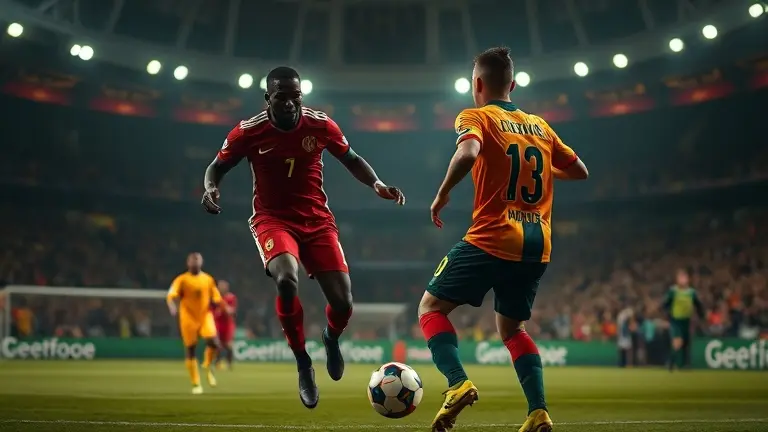
For 85 minutes, the world watched in awe as Senegal dismantled Belgium with clinical precision, looking every bit the tournament giant-slayers destined for the quarterfinals. With a 2-0 lead and total tactical control, the Teranga Lions seemed to have silenced the European powerhouse. Yet, in the blink of an eye, the narrative shattered. Youri Tielemans’ 89th-minute strike ignited a frantic Belgian revival, culminating in a highly contentious penalty decision that allowed Belgium to steal a 3-2 victory in extra time.
The fallout has been immediate and explosive, leaving fans and pundits locked in a fierce debate over the integrity of the officiating and the structural vulnerabilities of Belgium’s defense. Was this a masterclass in resilience, or was the match decided by a stroke of refereeing misfortune? Dissecting the tactical metamorphosis from Senegal’s dominance to Belgium’s miracle requires more than a casual glance; it demands a forensic approach to understanding how high-stakes pressure alters the game’s trajectory.
The Miracle in the Making: Belgium’s Stunning 3-2 Escape Against Senegal
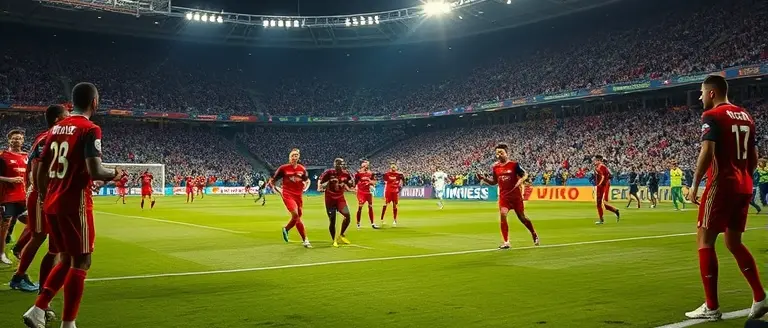
The July 1, 2026, FIFA World Cup Round of 32 clash will be remembered as one of the most polarizing matches in modern football history. For 85 minutes, the senegal national team put on a tactical masterclass, stifling the European giants and building a commanding 2-0 lead. Senegal’s disciplined defensive structure and blistering counter-attacks left the belgium squad looking disjointed and arguably unprepared for the intensity of the knockout stage. As the clock ticked past the 80th minute, fans worldwide were bracing for what would have been a historic upset, with Senegal firmly in control of their own destiny.
The Turning Point: Youri Tielemans and the Shift in Momentum
The atmosphere shifted drastically in the 89th minute when Youri Tielemans finally pierced the Senegalese armor. His strike served as the catalyst for a frantic late-game rally that transformed the senegal vs Belgium narrative from a potential historic victory into a gut-wrenching defeat. The sudden unraveling of the Senegalese defense allowed Belgium to find an equalizer in stoppage time, pushing a physically exhausted Senegal side into an extra-time period they likely never anticipated.
Key Factors in the Comeback
- Tactical Fatigue: After dominating for 85 minutes, Senegal struggled to maintain their high-press intensity, providing the space necessary for the late belgium game comeback.
- Clinical Finishing: Tielemans demonstrated veteran composure, stepping up when his team’s World Cup dreams were effectively on life support.
- Momentum Shift: Once the first goal hit the back of the net, the psychological weight of the match shifted entirely to the European side, leaving Senegal to defend a lead that had evaporated in mere minutes.
The match ultimately concluded in controversy, as a disputed penalty call in the dying moments of extra time handed Belgium a 3-2 victory. While Belgium advances, the post-match discourse remains heavily focused on the validity of that decision, casting a long shadow over their status as tournament contenders.
The Penalty That Defined the Match: Analyzing the Controversial Call
The Senegal vs Belgium clash in the 2026 FIFA World Cup Round of 32 will be remembered for years, not just for the miraculous comeback, but for the officiating decision that effectively decided the tie. In the dying embers of extra time, with the score deadlocked at 2-2, the referee pointed to the spot following a minimal challenge in the penalty area. This match-defining moment has ignited a firestorm of debate, with pundits and fans alike questioning the intervention of VAR and the subjective application of the laws of the game under high-stakes pressure.
The Anatomy of the Decision
The tension surrounding the penalty stems from the contact—or lack thereof—between the Senegalese defender and the Belgian attacker. To understand why this call remains so contentious, it is essential to look at the factors that frustrated supporters of the West African side:
- Subjective Interpretation: Replays suggest that the contact was marginal at best, falling into a “soft” category that many officials typically wave away during a tournament as critical as the World Cup.
- VAR Protocol Limitations: While the Video Assistant Referee reviewed the incident, the threshold for overturning a “on-field decision” remains high, leading to a confirmation that left millions baffled.
- Momentum Shifts: Having dominated for 85 minutes, Senegal’s defensive structure was dismantled by the weight of this singular whistle, effectively ending their tournament run.
The fallout from this game, particularly the decisive goal scored by Youri Tielemans, has shifted the narrative surrounding the Belgium game strategy. While Belgium showed grit in forcing the equalizer, the reliance on a controversial penalty has cast a shadow over their advancement in the bracket. Senegal players were visibly distraught, and their post-match reaction highlighted a growing frustration regarding how officiating inconsistencies can negate a team’s superior tactical performance. As the tournament progresses, this specific incident will likely serve as the primary case study for discussions on the necessity of clearer VAR guidelines in knockout football.
Senegal’s What-If: A Tournament Altered by Fine Margins

For 85 minutes, Senegal produced a tactical masterclass that served as a blueprint for dismantling European giants. By maintaining a high-press structure and clinical efficiency in front of the goal, the Teranga Lions systematically neutralized the Belgium game plan, forcing uncharacteristic errors from a seasoned squad. This performance was not merely a lucky streak; it was a testament to the tactical evolution of African football. Had they maintained their composure through the final whistle, a victory against Belgium would have marked a seismic shift in the global football hierarchy, cementing the nation’s status as a legitimate title contender rather than a tournament underdog.
The Tactical Void Left in the Bracket
The premature exit of Senegal creates a significant vacuum in the 2026 World Cup bracket. Their disruptive, high-energy style was perfectly suited to challenge the traditional powerhouses remaining in the competition. With their departure, several key implications emerge regarding the tournament landscape:
- Bracket Imbalance: The absence of a team that dominated the rhythm of play for nearly the entire match against a top seed like Belgium leaves the remaining path more predictable and potentially less dynamic.
- Psychological Edge: While Youri Tielemans provided the heroics to carry his side through, the shaky defensive performance by the Belgians suggests they remain vulnerable, a factor that future opponents will undoubtedly look to exploit.
- Tournament Narrative: The Senegal vs Belgium result will be remembered not for the winner, but for the “What If” scenario—the agonizingly close realization that an African side was minutes away from forcing a major rewrite of the quarter-final bracket.
Ultimately, the fine margins of the 89th-minute equalizer and the subsequent, contentious penalty decision have deprived the tournament of a team that was arguably the most tactically cohesive side in the Round of 32. As the competition progresses, the void left by their exit highlights how fragile a campaign can be, regardless of how thoroughly a team dominates the pitch for the majority of the encounter.
Belgium’s Fragile Path to the Quarterfinals

While the senegal vs Belgium Round of 32 clash will be remembered for its dramatic conclusion, the victory paints a worrying picture for the Red Devils’ title aspirations. For 85 minutes, the Belgium game was defined by a complete lack of defensive structure. Senegal’s tactical discipline repeatedly bypassed Belgium’s backline, exposing a high-line defense that struggled to manage transitions. Even with the win, serious questions remain about whether this squad possesses the defensive discipline required to navigate the remaining bracket against elite opposition.
Structural Vulnerabilities and Defensive Gaps
The reliance on individual brilliance—specifically from Youri Tielemans—cannot mask the systemic failures witnessed throughout the majority of the match. Tactical analysts have pointed to several recurring issues that could prove fatal in the quarterfinals:
- Midfield Isolation: The gap between the defensive line and the midfield allowed Senegal to dictate the tempo and exploit pockets of space with ease.
- Transition Defense: Belgium consistently struggled to track back during counter-attacks, a trend that better-equipped teams will undoubtedly capitalize on in the next round.
- Cohesion Concerns: The disconnect between the attacking talent and the defensive unit suggests a lack of tactical maturity that typically characterizes championship-winning squads.
Momentum or Misconception?
The “miracle” comeback, capped by a controversial penalty, may provide a temporary psychological boost, but it lacks the substance of a dominant performance. While the team showed incredible resilience to claw back from a 2-0 deficit, relying on late-game heroics is a dangerous strategy for any team with aspirations of lifting the World Cup trophy. If Belgium intends to progress further, they must address these defensive frailties immediately. The current path suggests that while they are capable of winning matches through sheer individual talent, their defensive fragility remains an open invitation for their next opponent to dismantle them.
Decoding the Chaos: Master the Tactics
This match will forever be defined by the fine margins between brilliance and disaster. While Belgium moves forward to their next high-stakes clash, the haunting images of that penalty call serve as a reminder that in elite football, focus is your most valuable asset. The difference between a tactical breakthrough and a match-deciding error often comes down to the split-second clarity of those on the pitch—and those analyzing the game from the stands.
Just as Belgium needed unwavering mental clarity to execute that 89th-minute comeback, dissecting these controversial moments requires peak cognitive focus to spot what others missed. When the pressure mounts and the screen becomes a blur of tactical shifts, you need more than just passion; you need precision. This is why we recommend The Brain Song, the ultimate cognitive performance tool designed to clear the mental fog and sharpen your analytical edge, allowing you to track complex plays and refereeing decisions with unrivaled accuracy.
Don’t let the complexity of the knockout stages cloud your judgment. Elevate your analytical game, stay ahead of the narrative, and experience every detail of the tournament with absolute focus. Make the next match your most insightful viewing experience yet.
 Sharpen your analytical edge and catch every detail of the next knockout stage—try The Brain Song today.Unlock My Peak Focus Now!