
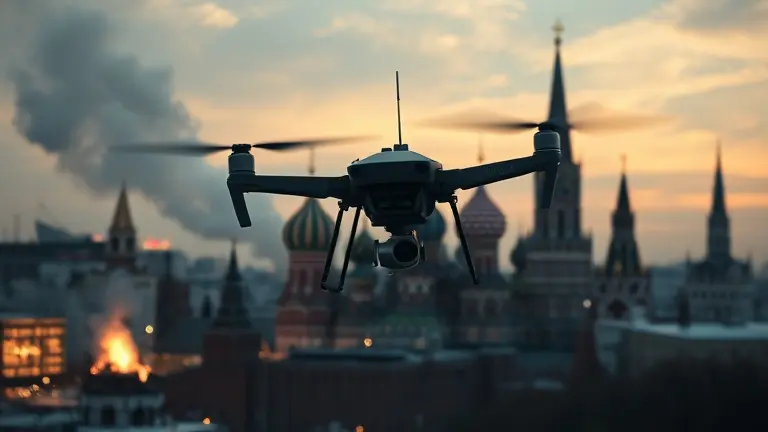
The skyline of Moscow has become the epicenter of a dangerous new phase in the Russia-Ukraine conflict. Following a series of unprecedented, long-range drone strikes that have targeted key infrastructure, including vital oil refineries, the global security landscape is bracing for a volatile shift. As reports from major outlets confirm extensive damage and rising casualties, the international community is forced to re-evaluate the Kremlin’s air defense capabilities and the long-term economic repercussions of these attacks on global energy markets.
This escalation represents more than just a tactical shift on the battlefield; it is a critical juncture that demands rigorous analysis and a steady hand. For the informed observer, the constant influx of breaking news regarding security threats, military logistics, and shifting geopolitical strategies can lead to profound mental fatigue. As we look beyond the headlines to assess what lies ahead for regional stability, it is imperative that we recognize the psychological toll of this high-intensity information flow—and prepare our minds to process the complexities ahead.
Current Situation: Intensive Drone Strikes on Moscow

As of July 1, 2026, the geopolitical landscape surrounding Moscow has shifted dramatically following an unprecedented wave of long-range drone strikes. Reports from major news outlets, including The New York Times, confirm that the Russian capital has become the primary target of a massive, coordinated aerial bombardment. This escalation marks a significant departure from previous phases of the conflict, as the sheer volume of drones deployed has tested the limits of regional air defense strategies and infrastructure resilience.
Key details regarding the security situation include:
- Scale of Deployment: Estimates suggest hundreds of unmanned aerial vehicles (UAVs) were utilized in the strikes, penetrating deep into Russian territory to target the capital.
- Strategic Targets: The offensive prioritized critical energy infrastructure, including key oil refineries, suggesting a tactical effort to disrupt the Russian domestic fuel supply and economic stability.
- Casualty Reports: Verified data from Democracy Now indicates at least 8 fatalities and 34 injuries, with significant damage reported in both industrial sectors and surrounding civilian areas.
The intensity of these strikes has prompted a heightened state of alert across the city, as government officials and defense analysts grapple with the implications of such a direct challenge to the Kremlin’s core security. Beyond the immediate physical destruction, experts from organizations like The Atlantic frame these actions as a deliberate attempt to unnerve Russian leadership and shift the broader war narrative. This environment remains highly volatile, with evidence suggesting that the conflict is moving into a phase characterized by deep-strike capabilities. As international observers monitor the situation, the focus remains on whether these strikes on Moscow will lead to retaliatory escalation or necessitate a fundamental shift in how urban civil defense is managed in the modern conflict theater.
Analysis of Shifted Russian Air Defense Strategies
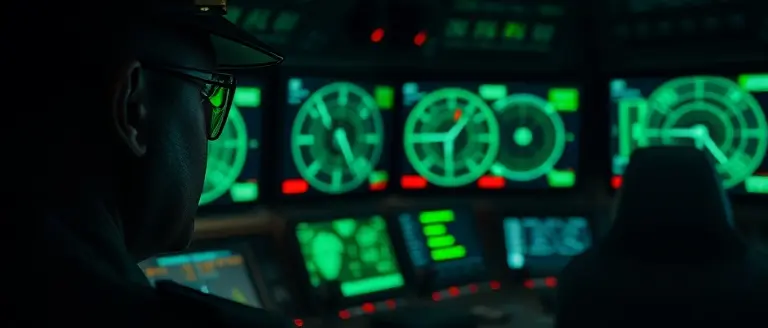
The recent large-scale drone bombardment of Moscow has exposed significant vulnerabilities in the capital’s layered air defense network. Historically, Russian military doctrine prioritized protecting high-value targets, such as the Kremlin and major industrial hubs, using a combination of long-range S-400 systems and short-range Pantsir-S1 installations. However, the recent success of incoming projectiles suggests a strategic failure to account for mass-saturation tactics. Military analysts observing the conflict indicate that the sheer volume of drones utilized in this latest wave effectively overwhelmed the sensor fusion capabilities of stationary defense batteries, creating critical gaps that were exploited by low-altitude flight paths.
Strategic Adjustments and Mobile Defense
In response to these incursions, evidence suggests a rapid pivot toward a more decentralized, mobile defense posture. Russian commanders are reportedly integrating man-portable air-defense systems (MANPADS) and electronic warfare (EW) units into urban environments to supplement static infrastructure. Key tactical shifts include:
- Saturation Overload: The transition to “swarm” techniques has forced Russian systems to burn through interceptor munitions, leaving them susceptible to secondary strikes.
- Decentralization: Moving away from reliance on massive radar signatures, the Kremlin is deploying smaller, mobile jamming units capable of disrupting drone telemetry at the source.
- Gap Mitigation: Tactical repositioning of air defense assets is now focused on covering approach corridors that were previously considered low-risk, specifically targeting the low-altitude sectors where detection is most difficult.
These adjustments underscore the ongoing struggle to adapt to asymmetric warfare. By diversifying their defensive array, Russian forces are attempting to close the gaps revealed during the recent attacks on Moscow. However, the high degree of coordination required to integrate these mobile units into the existing command-and-control hierarchy remains a significant hurdle. As the conflict intensifies, the ability of the Russian military to recalibrate its coverage while simultaneously managing domestic security concerns will be a decisive factor in the broader strategic narrative of the Russia-Ukraine war.
Internal Political Pressure and Kremlin Response

The intensification of drone strikes on Moscow represents a pivotal shift in the Russia-Ukraine conflict, forcing the Kremlin to confront the physical reality of the war within its own capital. As long-range munitions strike key infrastructure, including vital oil refineries, the psychological barrier of the “special military operation” remaining distant from the average Muscovite is rapidly eroding. Evidence suggests that these strikes are designed to unnerved the Russian leadership, creating a difficult balancing act for officials tasked with maintaining public order while simultaneously managing a tightening internal security apparatus.
Domestic Narrative and State Media Strategy
To manage domestic perception, state media outlets have shifted their framing, transitioning from portraying the conflict as a remote geopolitical necessity to a defensive struggle against “Western-backed terrorism.” This messaging serves two distinct purposes:
- Consolidation of Public Opinion: By framing the attacks as unprovoked, the Kremlin seeks to foster a “rally around the flag” effect, aiming to neutralize internal dissent regarding the economic impact of the war.
- Security Normalization: Official channels are increasingly emphasizing the resilience of Russian air defense systems, despite the visible damage to energy infrastructure. By controlling the flow of information, the government attempts to downplay the vulnerability of the capital while preparing the public for potential long-term disruptions to urban life.
Shifts in Internal Security
The political pressure now manifesting within the Kremlin is forcing a recalibration of internal security protocols. Analysts note that authorities are likely to expand surveillance measures and tighten restrictions on movement near critical sites. With the capital now a declared target, the Kremlin faces the dual risk of public panic and elite dissatisfaction if the government is perceived as unable to guarantee the safety of its core administrative power base. This volatile environment remains a primary factor in the broader strategic calculations regarding the potential for further escalation in the regional security landscape.
Global Security Implications and Future Outlook

The intensification of drone strikes targeting Moscow signals a decisive shift in the Russia-Ukraine conflict, moving the theater of war directly into the Russian heartland. This escalation creates a complex geopolitical environment, forcing Western allies to recalibrate their support strategies. By striking oil refineries and critical infrastructure within the Russian capital, Ukraine is demonstrating an asymmetric warfare capability that seeks to impose a domestic cost for the ongoing invasion. Analysts suggest that this development forces the Kremlin to divert air defense assets from the front lines to protect urban centers, potentially thinning defenses in occupied territories.
Strategic Shifts in Asymmetric Warfare
The current trend of deep-penetration strikes indicates a departure from conventional battlefield engagements toward a strategy of persistent attrition. The implications for international stability are significant:
- Energy Market Volatility: Attacks on Russian oil refineries threaten global energy supply chains, creating upward pressure on prices as markets react to the instability within a major producer nation.
- Diplomatic Realignments: Western nations are facing increased pressure to define the limits of defensive support, as the use of long-range assets against deep-interior targets tests the bounds of established diplomatic red lines.
- Domestic Pressure: The vulnerability of the Russian capital to air strikes directly challenges the narrative of safety maintained by the state, potentially altering the internal political calculus within the Kremlin.
As the conflict enters this volatile phase, the global security landscape appears increasingly fragile. The shift toward targeting the industrial and administrative center of Moscow indicates that Ukraine is committed to exhausting Russian logistics through high-frequency, low-cost drone deployments. Looking ahead, diplomatic observers remain concerned that this evolution in tactics could trigger a cycle of retaliatory escalation, potentially dragging regional neighbors into the heightened security alert status that is currently defining the conflict’s new, unpredictable trajectory.
Maintaining Cognitive Resilience in an Era of Global Crisis
As the conflict surrounding Moscow continues to evolve, the strategic implications for energy markets and international security remain profound. Understanding these complex shifts requires not only access to verified data but, more importantly, the mental capacity to analyze them without succumbing to the paralysis caused by information overload. Staying informed is a duty, but it should not come at the cost of your own cognitive well-being.
While tracking these critical geopolitical shifts is vital, the sheer intensity of this ongoing crisis can easily lead to severe information fatigue and cognitive drain. Keeping your mental clarity sharp is just as essential as tracking the data itself. This is where The Brain Song becomes an indispensable tool for the modern analyst. By utilizing a scientifically-backed 12-minute auditory routine, you can effectively clear the brain fog that accumulates when processing high-stakes, breaking news.
The Brain Song acts as a cognitive resilience tool, specifically designed to help you maintain peak mental performance during times of global instability. It aligns perfectly with the need for a situational briefing, ensuring you have the clarity required to synthesize complex regional security updates without burning out. Regain your cognitive edge and stay sharp as you navigate the news landscape.
 Regain your cognitive edge and maintain sharp focus while navigating complex global news with the daily auditory routine of The Brain Song.Yes, I Want to Sharpen My Focus Today!