
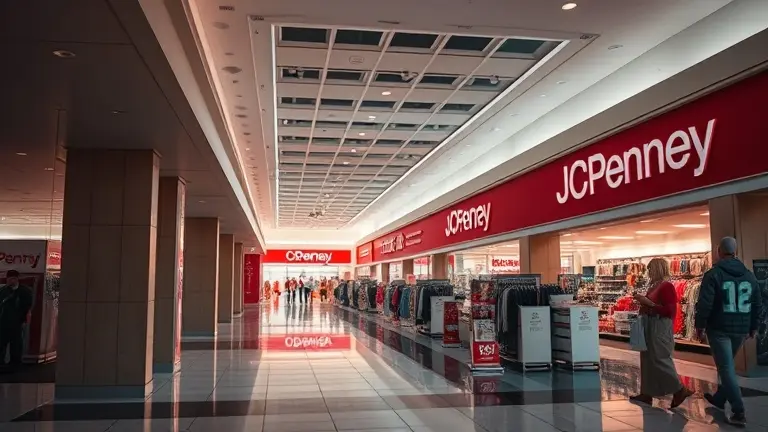
As the retail landscape shifts under the weight of e-commerce and changing consumer habits, headlines regarding JCPenney store closures have become a recurring concern for shoppers across the United States. While the brand is not disappearing, the reality of the 2026 landscape is that JCPenney is aggressively right-sizing its footprint. With approximately 640 locations still operational, the company is pivoting away from underperforming ‘Class C’ malls to prioritize efficiency and digital integration. For many local communities, however, these changes create a significant information vacuum, often filled by alarming rumors rather than verified facts.
This article serves as your central resource for navigating these closures with clarity. We move past the ‘retail apocalypse’ narratives to provide a service-oriented guide for identifying the status of your local store. Understanding the business logic behind these moves is essential for any modern consumer, as it reflects a larger trend: the transition from passive, mall-dependent shopping toward a more self-reliant, home-centric era. If your local JCPenney is slated for closure, don’t worry—the modern home is increasingly defined by what we can create for ourselves, rather than what we simply purchase off a shelf.
Understanding the 2026 JCPenney Store Closures: What You Need to Know

As of mid-2026, many shoppers are noticing notices of JCPenney stores closing in various regions across the United States. While these localized exits often spark rumors of a broader brand collapse, it is essential to clarify that this activity represents a strategic, targeted “right-sizing” initiative rather than a total company liquidation. JCPenney is currently operating approximately 640 locations nationwide, and the current wave of departures is a calculated response to shifting consumer behavior, diminished mall foot traffic, and the persistent challenges of maintaining retail footprints in “Class C” shopping centers.
Why Stores Are Closing
The decision to close specific locations—such as those confirmed in Pleasanton, CA, Sanford, FL, and Pittsburgh, PA—is driven by data-centric real estate assessments. Rather than an abrupt exit, the company is systematically pruning underperforming leases to prioritize capital for its remaining, more profitable footprint. Key factors influencing these JCPenney closing stores decisions include:
- Mall Performance: Locations in struggling or low-traffic shopping centers are no longer viable for high-volume department stores.
- E-commerce Shifts: The increasing preference for digital shopping has rendered some brick-and-mortar physical footprints redundant.
- Operational Efficiency: By reducing the total number of stores, the organization aims to consolidate resources into core markets where customer loyalty and local demand remain high.
Ultimately, these closures are part of a multi-year effort to modernize the brand. While the reduction in store count is evident, the company remains a significant player in the retail landscape. For shoppers concerned about their local store, it is important to distinguish between official corporate announcements and speculative reports. The brand is not disappearing; it is simply repositioning itself to navigate a post-mall-dominant retail economy more effectively.
How to Verify Your Local Store Status

With ongoing reports of JCPenney stores closing across the country, it is natural for shoppers to feel uncertainty regarding the future of their local retail locations. Because social media platforms often propagate unverified rumors or outdated “retail apocalypse” narratives, it is essential to rely on primary sources and tangible evidence. If you are concerned that your local branch may be part of the current wave of JCPenney closing stores, follow these verified steps to confirm its operational status before planning your next shopping trip.
Utilize Official Verification Channels
The most reliable method to determine if a store is slated for closure is to use the official JCPenney store locator tool on their corporate website. When a store is officially scheduled to cease operations, the company typically updates the store-specific page with operating hours and notice of a liquidation sale.
- Check the Store Locator: Visit the official website and search by your zip code. If a location is closing, the status is usually indicated via a banner or a notification regarding final sale dates.
- Monitor Local News: Regional news outlets, such as the outlets that reported on the closures in Pleasanton, CA, or Sanford, FL, are often the first to receive verified press releases from corporate headquarters. These sources are far more accurate than third-party community groups.
- Look for Liquidation Signage: Physical evidence within a store—such as “Store Closing” banners, aggressive discount percentages (often starting at 30% to 40% off), and a notable lack of inventory replenishment—are the most definitive signs that a location is preparing for a permanent exit.
While the brand continues to manage a footprint of approximately 640 stores nationwide, the company’s strategic shift to prioritize high-performing, high-traffic retail centers means that some locations remain subject to review. By focusing on these official indicators rather than speculative viral posts, you can navigate your shopping experience with confidence and avoid unnecessary travel to affected sites. If you suspect your store is impacted, we recommend calling the store directly to speak with a representative, as their staff will have the most current information regarding their specific lease and closure timeline.
The Business Logic: Why Footprints Are Shrinking
The current trend of JCPenney stores closing is not a sign of total brand collapse, but rather a calculated pivot in response to a shifting retail landscape. For major retailers, the operational cost of maintaining a physical presence in “Class C” shopping centers—malls characterized by high vacancy rates and declining foot traffic—often outweighs the potential for profit. By exiting these underperforming locations, the company is effectively “right-sizing” its footprint, focusing its capital on the approximately 640 remaining stores that demonstrate higher customer engagement and stronger sales density. This consolidation is a necessary evolution to ensure the long-term viability of the brand in an era dominated by e-commerce and changing consumer habits.
Strategic Repositioning in a Post-Mall Era
Retail analysts emphasize that the decision to shutter specific locations is largely driven by data rather than sentiment. When foot traffic drops significantly in a regional mall, the “halo effect” that anchor stores like JCPenney rely on to attract shoppers disappears. Rather than subsidizing dying retail corridors, the company is reallocating resources toward:
- Optimizing Supply Chains: Streamlining inventory distribution to support both the remaining brick-and-mortar storefronts and a growing digital marketplace.
- Enhancing Omni-channel Operations: Strengthening the connection between online purchasing and in-store pick-up services, which remain a core pillar of their modern customer experience.
- Focusing on High-Performance Markets: Concentrating physical presence in thriving commercial hubs where demographics align with the brand’s core offerings.
While reports of JCPenney closing stores naturally cause uncertainty for local communities, these closures represent a defensive strategy designed to protect the overall health of the company. By shedding the weight of inefficient real estate, JCPenney aims to sustain a lean, profitable core that can better compete in the modern, digital-first retail environment.
Shopping During Liquidation Sales: Tips for Consumers
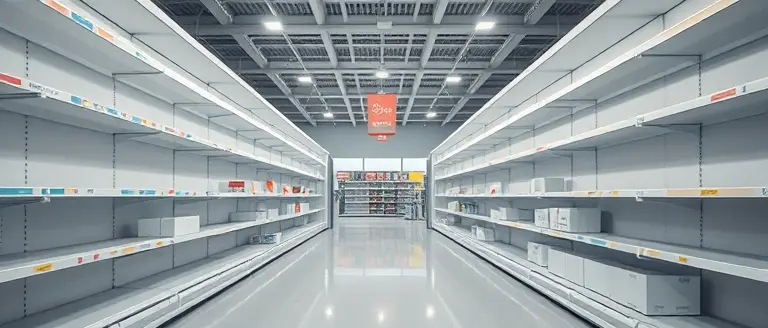
When a local JCPenney announces it is closing its doors, it often triggers a rush of shoppers hoping to snag deep discounts. However, navigating liquidation sales requires a strategic approach to avoid disappointment. These sales are typically managed by third-party liquidators rather than the retailer itself, meaning standard corporate policies—such as price matching, the use of store coupons, or even JCPenney Rewards points—are usually suspended. As JCPenney stores closing across various regions, inventory often dwindles rapidly, and the items remaining in the final weeks are frequently picked over. To make the most of these events, prioritize visiting early in the liquidation cycle, as the best merchandise is often sold within the first few days of the announcement.
Navigating Final Sale Policies and Inventory
Understanding the “Final Sale” reality is critical to managing your expectations during these transitions. Most items purchased at a store undergoing liquidation are sold on an “as-is” basis, meaning standard return and exchange policies are voided. Before heading to a location amid the wave of JCPenney closing stores, keep the following tips in mind to protect your purchase:
- Verify Sales Policies: Always check for signage at the entrance or ask a store associate about the return policy before heading to the register, as items are almost always non-refundable once the transaction is complete.
- Manage Expectations: Understand that discounts often start modestly (10–20%) and increase as the closing date nears. While waiting for deeper discounts (like 40% off) may save money, high-demand items like home appliances or popular apparel sizes are rarely available by the time these price drops occur.
- Avoid Scams: Be wary of third-party websites claiming to offer additional liquidation codes or “closing clearance” online. If your local store is slated for closure, confirm the details through the official JCPenney website or reputable local news sources to ensure you aren’t falling for phishing attempts.
By keeping these factors in mind, you can navigate the closure of a local branch without the frustration typically associated with liquidation shopping, ensuring you only spend money on items that represent genuine value.
The Modern Path to Home Empowerment
While the closure of a neighborhood JCPenney store can be an inconvenience, it also signals a powerful opportunity to rethink how we manage and maintain our living spaces. As traditional retail footprints contract, the most reliable and rewarding ‘store’ you can visit is your own workshop. This shift toward home-centric consumerism isn’t just about necessity; it is about reclaiming the ability to improve your environment on your own terms, without relying on the volatility of major retail chains.
In this era of retail instability, your best investment is in your own skills. This is where Ted’s Woodworking becomes the essential toolkit for the modern home. By providing foolproof, step-by-step blueprints, this collection eliminates the trial-and-error struggle of DIY home renovation, ensuring that you can achieve professional-grade results from day one. It is the perfect bridge for those leaving the retail cycle behind to embrace the satisfaction of building a more personalized, functional living space.
By choosing to master your home projects now, you are trading store uncertainty for technical certainty. Whether you are building custom shelving to replace lost retail storage or designing unique home decor, this resource empowers you to build a future you can touch and feel. Don’t let store closures dictate the quality of your home; take control of your environment today with the most comprehensive woodworking resource available.
 Reclaim your home’s potential: Explore over 16,000 professional blueprints and start your next project with complete confidence.Yes, I Want To Build My Future Today!