

The anticipation surrounding the England vs DR Congo showdown at the FIFA World Cup 2026 is reaching a fever pitch. Set against the backdrop of the Mercedes-Benz Stadium, this Round of 32 clash has evolved from a routine matchup into a high-stakes tactical conundrum. While England enters the fray as a heavy favorite with a staggering 73.9% win probability according to Opta, the narrative has shifted dramatically following reports of a severe defensive injury crisis within the Three Lions’ camp. This vulnerability invites us to look past the standard headlines and ask: can the underdog capitalize on this instability, or will England’s depth prove sufficient to secure their path to the quarter-finals?
For the dedicated fan, analyzing the DR Congo vs England tactical battle requires more than just passive observation—it demands a razor-sharp eye for structural transitions and defensive adjustments. With DR Congo looking to exploit the gaps in England’s reconfigured backline, the outcome hinges on whether the English coaching staff can engineer a defensive solution in the face of mounting pressure. In this deep dive, we move beyond the noise to examine exactly how these two sides will lock horns, dissecting the formations that could define the biggest upset of the tournament.
England vs. DR Congo: A High-Stakes Round of 32 Clash

The FIFA World Cup 2026 reaches a fever pitch this Wednesday, July 1, as England faces DR Congo in a pivotal Round of 32 knockout match at the iconic Mercedes-Benz Stadium in Atlanta. While the Three Lions enter the fixture as the clear betting favorites, carrying a staggering 73.9% win probability according to the Opta supercomputer, the narrative surrounding the match is far more complex than the statistics suggest. England’s path to the quarterfinals is currently complicated by a significant defensive injury crisis, which has forced coaching staff to rethink their backline stability and transition play.
The Tactical Underdog Narrative
For DR Congo, this clash represents a historic opportunity to disrupt the tournament hierarchy. As the clear underdog, the team is expected to utilize a low-block defensive structure designed to frustrate England’s high-possession style. Analysts are closely watching how the Congolese midfield manages the transition game, specifically targeting the gaps left by England’s makeshift defensive unit. Key factors shaping this matchup include:
- Injury Impact: Concerns over England’s personnel availability at the back could provide the necessary space for DR Congo’s counter-attacking threats.
- Venue Advantage: The fast surface at the Mercedes-Benz Stadium in Atlanta may favor a high-tempo game, benefiting England’s attacking depth if they can bypass the initial press.
- Strategic Pressure: England must maintain clinical efficiency to avoid the psychological weight of an early tournament exit, a challenge intensified by the high-stakes knockout format.
While England is heavily favored to advance, the unpredictability of the World Cup knockout stages means that even a minor lapse in defensive coordination could empower the DR Congo squad to force an upset. Fans and pundits alike are focused on whether England’s depth can mitigate their current injury struggles or if the underdog will successfully exploit the defensive vulnerabilities identified in the lead-up to this Wednesday kick-off.
Tactical Preview: Can DR Congo Disrupt England’s Rhythm?
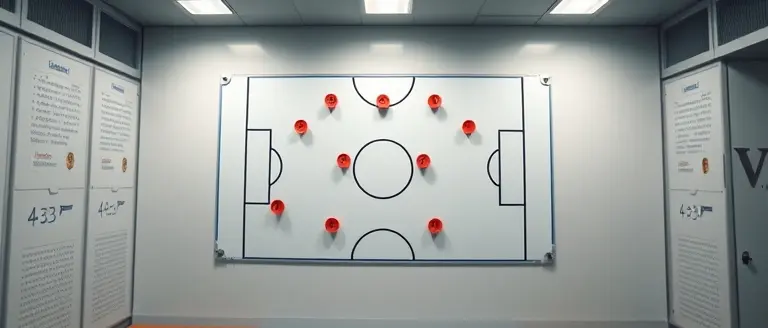
The England vs DR Congo Round of 32 clash presents a fascinating tactical dichotomy at the Mercedes-Benz Stadium. While England enters the match as the heavy favorite with a 73.9% win probability, their well-documented defensive injury crisis provides a narrow but significant window of opportunity for the underdog. To neutralize England’s superior ball possession, DR Congo is expected to employ a low-block, counter-attacking 5-4-1 formation designed to clog the central channels and force England’s play into wide areas where they can force turnovers.
Exploiting the Defensive Vulnerability
The core of DR Congo’s strategy hinges on high-speed transitions. By utilizing pace on the flanks, they aim to target the gaps left by England’s makeshift backline, which has been forced to integrate less-experienced personnel due to recent injuries. Tactical analysts suggest that if the Congo midfield can successfully disrupt the passing lanes of England’s deep-lying playmaker, they will have room to launch direct long balls over the top, challenging the agility of the English center-backs.
Key Tactical Considerations
- England’s Response: Expect England to favor a 4-3-3 setup, prioritizing quick recycling of the ball to pin the DR Congo defense deep, thereby limiting the space available for counter-attacks.
- The Transition Game: DR Congo’s primary threat will come from winning second balls in the middle third and immediately exploiting the space behind England’s advancing full-backs.
- Managing the Press: If England can maintain a high press, they will effectively suffocate the DR Congo outlet passes, forcing them into errors near their own penalty area.
Ultimately, the match outcome depends on whether the dr congo squad can maintain disciplined shape for the full 90 minutes. While england possesses the individual brilliance to break down any defense, their current defensive fragility means that one momentary lapse in concentration during a transition could lead to an iconic FIFA World Cup upset.
England’s Defensive Crisis: The Manager’s Tactical Gamble

The England vs DR Congo Round of 32 clash comes at a precarious time for the Three Lions, who are grappling with a significant defensive injury crisis. As the squad prepares for the match at Atlanta’s Mercedes-Benz Stadium, the coaching staff faces the daunting task of reconfiguring a backline that has been the bedrock of their tournament campaign. With primary starters sidelined, the manager is forced into a tactical gamble that could determine whether England progresses or falls victim to a major tournament upset against the determined DR Congo side.
Potential Tactical Shifts and Formation Adjustments
To compensate for the personnel shortages, internal reports suggest a move away from the standard four-man defense. Shifting to a back three could provide the necessary cover for makeshift central defenders while allowing wing-backs to push forward and pin back the underdog opponents. This structural adjustment aims to mitigate individual defensive frailties by adding an extra body in the central channel. Key tactical considerations include:
- Formation Flexibility: A transition to a 3-4-2-1 formation to stabilize the defense while maintaining England’s high-octane attacking threat.
- Holding Midfield Reinforcement: Deploying a double pivot in front of the back line to shield the center-backs from the direct pace and physicality often utilized by DR Congo in transition.
- The Aggressive Approach: Despite the injuries, the manager may prioritize an attacking identity, banking on the theory that maintaining possession in the final third reduces the defensive burden.
Whether the manager opts for caution or leans into an aggressive press remains the defining narrative of this FIFA World Cup fixture. While the Opta supercomputer still heavily favors England with a 73.9% win probability, the defensive instability provides a clear opening for an underdog. The success of this tactical gamble will hinge on how quickly the makeshift defensive unit can find cohesion against the swift counter-attacks expected from the African nation.
Post-Match Breakdown: Reality vs. Expectations

The england vs dr congo clash at Mercedes-Benz Stadium lived up to the pre-match intensity, forcing a critical re-evaluation of the pre-tournament narratives surrounding both squads. While the Opta supercomputer heavily favored England with a 73.9% win probability, the reality on the pitch revealed a more complex tactical struggle. The much-publicized defensive injury crisis within the English camp proved to be more than just a media talking point; it forced a high-risk, experimental backline structure that DR Congo exploited with surgical precision during counter-attacking transitions.
Tactical Shifts and Performance Metrics
The underdog narrative surrounding congo held firm for significant stretches of the match. By packing the midfield and utilizing rapid transitions, they neutralized England’s typical dominance. Key performance takeaways include:
- Defensive Vulnerability: England’s improvised defensive unit struggled with spatial awareness, often leaving gaps that allowed DR Congo to penetrate the final third with alarming frequency.
- Heat Map Analysis: Data indicates that DR Congo’s primary attacking threats were heavily concentrated on the flanks, deliberately targeting the space vacated by England’s overlapping fullbacks.
- Possession vs. Efficiency: While England maintained higher overall possession, the quality of chances created by the Congolese forwards highlighted a significant gap in defensive cohesion compared to previous group-stage performances.
Ultimately, this World Cup knockout match demonstrated that statistical probability often clashes with the unpredictable nature of tournament football. For DR Congo, the performance solidified their reputation as a formidable underdog capable of rattling giants. Conversely, England’s coaching staff faces immediate pressure to shore up their defensive rotation before the next round, as the reliance on high-scoring offensive output to mask defensive fragility remains a high-wire act that could prove fatal against more clinical opponents in the later stages of the competition.
Mastering the Tactical Chess Match
As the whistle blows at Mercedes-Benz Stadium, the gap between success and disappointment will be decided by tactical precision and the ability to process high-pressure variables in real-time. Whether England overcomes its defensive injury crisis or DR Congo executes a perfect underdog upset, the most rewarding fan experience comes from deeply understanding these shifting dynamics rather than just watching the clock tick down.
Just as the England squad must maintain absolute mental clarity to navigate their defensive injury crisis and decode the underdog’s strategy, you need your own brain functioning at peak capacity to analyze these complex tactical scenarios. When the stakes are at their highest, mental fog is the enemy of the true aficionado.
This is where The Brain Song becomes your ultimate advantage. By utilizing a science-based, 12-minute auditory routine, you can eliminate cognitive fatigue and sharpen your focus, ensuring you remain tactically acute while tracking every formation shift and defensive adjustment. Don’t just watch the game—experience it with total clarity and cognitive edge.
 Achieve your peak focus for the big match; try The Brain Song’s 12-minute auditory routine to clear the fog and master the tactical nuances of today’s game.Sharpen My Tactical Focus Now!