
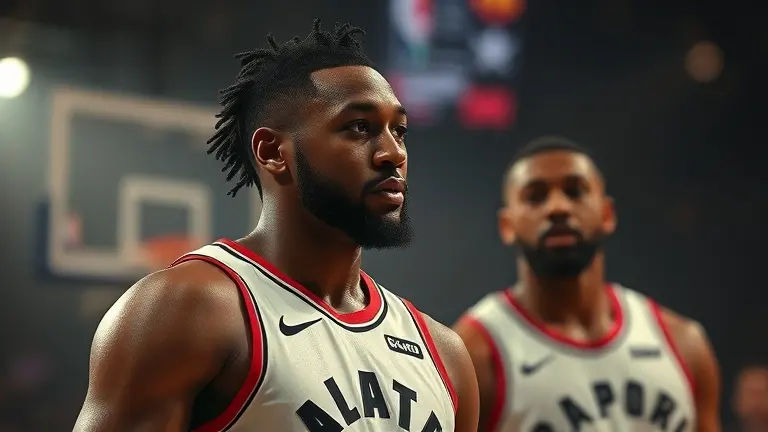
The NBA landscape shifted on its axis this June 30, 2026, as the Toronto Raptors orchestrated a blockbuster reunion with Kawhi Leonard. In a move that has sent shockwaves through the league, the Los Angeles Clippers traded the 35-year-old icon—the very architect of Toronto’s 2019 title run—back to the North. The price for this homecoming? A substantial haul that sends Brandon Ingram, sharpshooter Gradey Dick, and a war chest of future draft picks to Los Angeles. It is a defining moment of contrasts: the Clippers pivot toward an aggressive rebuild, while the Raptors signal a bold intent to maximize the current prime of Scottie Barnes.
But beneath the headline-grabbing trade details lies a complex tactical puzzle that fans and analysts alike are struggling to decode. Can the veteran nuances of Leonard truly mesh with the rapid, evolving playstyle of Scottie Barnes? Is the acquisition of Brandon Ingram enough to kickstart the Clippers’ post-Kawhi era, or are they facing a grueling multi-year void? As we pivot from the breaking news phase into deep-dive analysis, we must weigh the legacy of 2019 against the brutal fiscal and physical realities of 2026. This is no longer just a trade story; it is a clinical study in modern roster management that demands an informed, sharp eye to decipher.
The Kawhi-Ingram Swap: Breaking Down the Blockbuster Trade
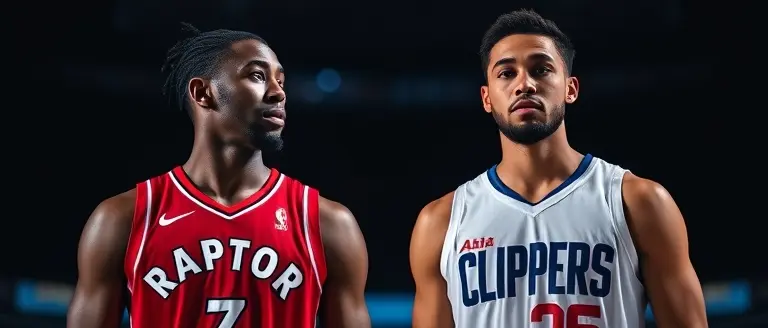
The NBA landscape underwent a seismic shift on June 30, 2026, as the Los Angeles Clippers and the Toronto Raptors finalized a blockbuster deal that reshapes both conferences. In a move that brings the franchise full circle, Kawhi Leonard is heading back to Toronto—the city where he famously delivered a title in 2019. In exchange, the Clippers have acquired a younger, versatile offensive engine in Brandon Ingram, along with sharpshooter Gradey Dick and a substantial haul of future first-round draft picks. This kawhi trade signals a complete change in philosophy for both organizations, moving the Raptors toward an aggressive, veteran-led pursuit of relevance and the Clippers toward a long-term roster pivot.
Trade Breakdown and Strategic Implications
The mechanics of this transaction highlight the divergent goals of these two front offices. By acquiring Brandon Ingram, the Clippers gain a high-usage wing who can serve as a primary scorer and playmaker during their transition phase. For Toronto, the arrival of a 35-year-old superstar in Kawhi Leonard is clearly designed to accelerate their competitiveness. The team hopes that Leonard’s championship pedigree will provide the necessary mentorship and floor gravity to elevate Scottie Barnes into a legitimate superstar.
Key components of the trade include:
- The Raptors’ Return: A battle-tested champion in Leonard to pair with their rising core.
- The Clippers’ Package: The acquisition of Brandon Ingram and Gradey Dick, injecting youth and perimeter shooting into their rotation.
- Capital Exchange: Multiple future first-round picks, providing the Clippers with the necessary assets to rebuild their depth.
This move forces an immediate recalibration of Eastern Conference power rankings. While the Raptors are banking on a “win-now” window, questions remain regarding how the aging Leonard will blend with Scottie Barnes on both ends of the floor. Conversely, the Clippers are betting that the combined talent of Ingram and their new draft capital will keep them competitive in a brutal Western Conference, successfully navigating life after their superstar era.
Brandon Ingram in Toronto: Tactical Fit and Offensive Versatility
The arrival of Brandon Ingram in the aftermath of the Kawhi trade signals a definitive shift in the Toronto Raptors’ offensive identity. While much of the conversation has focused on the return of an aging superstar to Toronto, the acquisition of Ingram provides the organization with a refined, high-usage secondary creator. Ingram’s ability to operate in the mid-range—often considered a lost art—perfectly complements the downhill, rim-attacking style of Scottie Barnes. By acting as a floor-spacing release valve, Ingram prevents defenses from loading up on Barnes, forcing opponents to respect the perimeter and intermediate zones simultaneously.
Synergy with Scottie Barnes
The pairing of Brandon Ingram and Scottie Barnes offers a dynamic offensive ceiling that the Raptors previously lacked. Ingram serves as the primary half-court shot creator who can manufacture offense when the shot clock dwindles, effectively reducing the pressure on Barnes to facilitate every possession. Key tactical benefits include:
- Shot Creation Versatility: Ingram’s length allows him to shoot over defenders, providing the Raptors with a reliable “bail-out” option in crunch-time scenarios.
- Playmaking Equilibrium: With Barnes functioning as a point-forward, Ingram operates as a lethal scoring wing who can punish aggressive help defense, allowing the duo to exploit mismatches during transition.
- Tactical Spacing: By maintaining a mid-range and long-range threat, Ingram draws rim protectors away from the paint, opening clear driving lanes for Barnes to utilize his elite physicality.
While fans may still be processing did Kawhi Leonard get traded effectively for the team’s long-term future, Ingram’s profile fits the modern NBA archetype of a versatile scoring wing. His arrival mitigates the loss of younger depth by providing an immediate, high-level offensive production that stabilizes the rotation. As the Raptors move forward, the success of this roster will likely depend on whether Ingram can integrate his rhythmic scoring style into the high-motion, team-oriented culture established by the coaching staff. If the chemistry clicks, the tandem could provide the necessary offensive firepower to challenge the elite tiers of the Eastern Conference.
Calculated Risk or Desperation? The Raptors’ Strategic Horizon
The decision by the Toronto Raptors to re-acquire Kawhi Leonard has ignited a firestorm of debate regarding the franchise’s trajectory. While the emotional resonance of the 2019 title run is undeniable, the acquisition of a 35-year-old superstar in exchange for Brandon Ingram, Gradey Dick, and significant draft capital represents a polarizing shift in team-building philosophy. By sacrificing the long-term potential of Ingram and future assets, the Raptors are signaling an aggressive “win-now” stance. Critics argue this is a move of desperation intended to appease a market hungry for immediate contention, while proponents view it as a calculated pivot to maximize the prime years of Scottie Barnes.
Integrating an aging veteran alongside a developing superstar creates a unique tactical tension. To determine if this strategy yields success, front-office analysts are weighing several critical factors:
- The Barnes-Leonard Synergy: The primary question is whether Scottie Barnes can evolve his playmaking duties while sharing the floor with a high-usage veteran. If Leonard can transition into a secondary scoring role, it may accelerate Barnes’ growth into an elite two-way force.
- Asset Depletion: The loss of Brandon Ingram is the most significant hurdle. Ingram provided wing versatility and scoring depth that the current roster lacks. Without his contributions, the bench must show immediate improvement to justify the trade.
- Financial Flexibility: Managing Leonard’s contract status will be the team’s biggest challenge over the next 24 months. The Raptors have limited their cap flexibility to bet on this specific reunion.
Ultimately, whether this kawhi trade proves to be a masterstroke or a cautionary tale depends on the Raptors’ ability to stay healthy and competitive in a crowded Eastern Conference. If the team fails to secure a deep playoff run, the lack of depth—exacerbated by the departure of younger prospects—could leave the organization in a precarious position. For now, the move serves as a high-stakes gamble that the mere presence of a championship-caliber leader can elevate the current core to the upper echelon of the NBA.
Assessing the Trade Assets: The Value of Gradey Dick and Future Picks

While the acquisition of Brandon Ingram serves as the centerpiece of the return package for the Los Angeles Clippers, the inclusion of Gradey Dick and significant future draft capital represents a fundamental shift in the franchise’s trajectory. Moving away from the veteran-heavy era defined by Kawhi Leonard, the Clippers are clearly prioritizing long-term asset accumulation. Gradey Dick, whose development trajectory has been on an upward swing, provides the Clippers with a high-upside perimeter threat who fits the modern archetype of a floor-spacing wing. His transition to Los Angeles offers him a larger role, potentially accelerating his growth into a reliable starter alongside the other pieces acquired in this Kawhi trade.
Strategic Value of Draft Capital
The inclusion of multiple future first-round picks is arguably the most critical component for the Clippers’ long-term outlook. In the current NBA landscape, where parity is at an all-time high, these assets function as insurance against the volatility of the post-Leonard era. These picks provide the front office with the flexibility to either build through the draft or use the selections as trade bait to acquire disgruntled stars if a window of contention opens prematurely.
Key considerations regarding these trade assets include:
- The “Glue” Factor: While Scottie Barnes remains the face of the Raptors’ future, the loss of Gradey Dick forces Toronto to lean heavily on their remaining depth to maintain rotation consistency.
- Timeline Alignment: By trading for a veteran of Ingram’s caliber while simultaneously gathering picks, the Clippers are attempting to avoid a “bottom-out” rebuild, instead opting for a competitive pivot that balances youth and experience.
- Draft Flexibility: The future first-rounders acquired from the Raptors represent high-value currency in a league where team-controlled talent is the primary driver of championship contention.
Ultimately, this trade package reflects a balanced strategy. While the Raptors are banking on a “win-now” scenario, the Clippers have successfully secured the necessary infrastructure to remain relevant in the Western Conference while allowing the roster to reset around younger, more sustainable talents. The effectiveness of this move will hinge on how quickly Dick integrates into the Clippers’ system and whether those future picks materialize into high-lottery opportunities.
The Tactical Horizon: Mastering the New NBA Reality
The return of Kawhi Leonard to Toronto represents a high-stakes gamble that forces us to re-examine our understanding of championship windows and roster construction. Whether this union with Scottie Barnes marks a resurgence or a desperate reach for the past, the tactical layers behind the Brandon Ingram move and the Clippers’ massive rebuild strategy are complex, requiring more than just surface-level analysis to decode.
Much like the Raptors are betting on the seasoned, high-level basketball IQ of Kawhi Leonard to elevate their floor, you need your own cognitive edge to cut through the noise and fully grasp the complexities of this massive trade. Understanding the synergy between draft capital, veteran salary caps, and future-star development requires absolute mental clarity.
This is where The Brain Song becomes an essential tool for the modern, informed fan. By sharpening your mental focus and accelerating information processing, this science-backed formula helps you digest the multi-layered analysis of trade impacts without the mental fatigue that plagues the average spectator. Don’t just watch the news—master it by optimizing your own analytical capacity.
 Ready to master the details of this trade? Use The Brain Song to clear the mental fog and sharpen your analytical edge today.Transform My Analytical Edge Now!