
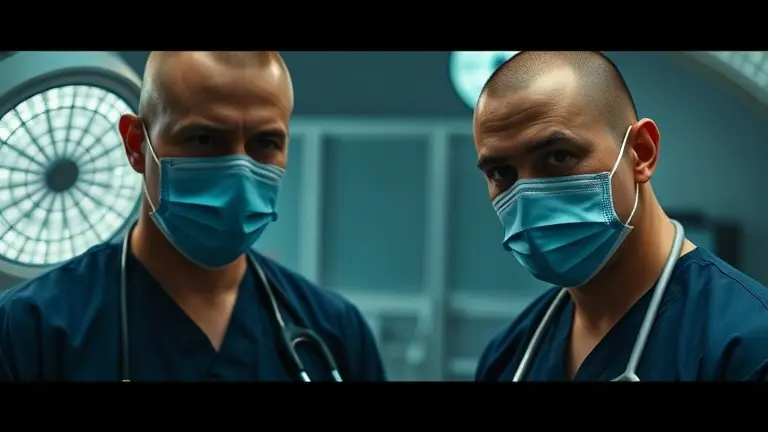
When John Cena shared a striking, shaved-head selfie alongside Dr. Ken Anderson on June 29, 2026, he didn’t just break the internet—he redefined the conversation around male aging. At 49, the legendary performer’s decision to undergo a second hair transplant procedure is a testament to the new era of radical transparency. Following an initial procedure in November 2024, Cena’s candid admission that he decided to “go all in” for better results speaks volumes. This wasn’t just a clinical decision; it was a personal stand against the relentless online scrutiny that has targeted his changing appearance.
By owning his aesthetic journey, Cena is effectively dismantling the outdated stigma surrounding male cosmetic enhancement. His path reflects a broader, modern reality: high-performance men are no longer settling for the gradual erosion of their youthful vitality. Whether dealing with the pressure of the public eye or personal standards of self-care, Cena’s transparency invites us to look deeper at the intersection of medical science, personal confidence, and the proactive pursuit of our best selves in our late 40s and beyond.
John Cena’s Second Hair Transplant: Breaking the Silence on His Journey
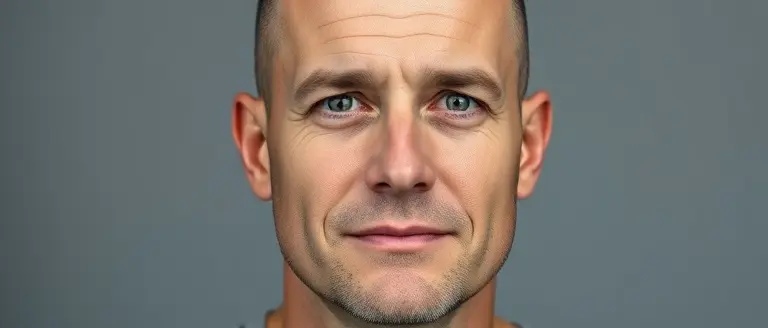
On June 29, 2026, the internet was stunned when WWE icon and actor John Cena revealed his cleanly shaven head via social media, marking a pivotal moment in his ongoing hair restoration journey. The 49-year-old star shared a candid photo alongside his surgeon, Dr. Ken Anderson, confirming he had undergone a second hair transplant procedure. This move comes less than two years after his initial surgery in November 2024. By opting for a secondary Follicular Unit Extraction (FUE) session, Cena has demonstrated a commitment to “going all in” to achieve optimal density and a more natural aesthetic, moving beyond the results of his first attempt.
Addressing the Impact of Online Bullying
Beyond the clinical aspects of the procedure, Cena’s transparency serves as a poignant commentary on the psychological toll of public scrutiny. The star has been open about the negative influence of online bullying regarding his hairline, noting that relentless commentary on social media platforms played a significant role in his decision to pursue further refinement. Rather than retreating from the criticism, Cena chose to reclaim his narrative by:
- Normalizing Male Aesthetic Procedures: By openly documenting his journey, Cena is actively working to dismantle the stigma often associated with celebrity cosmetic enhancements.
- Prioritizing Personal Confidence: His decision reflects a broader trend of public figures prioritizing their mental well-being and self-image over the pressure to maintain an “effortless” appearance.
- Encouraging Honest Conversations: By framing his second transplant as a calculated medical step, he encourages his audience to view aesthetic refinement as a legitimate tool for self-care.
This transparency highlights the reality that even global icons face insecurities, and choosing to act on them—whether through surgical intervention or public acknowledgement—is a valid path toward personal restoration. By collaborating with Dr. Anderson, Cena is not just seeking a cosmetic update; he is setting a new standard for honesty in the age of digital criticism.
Understanding the ‘All In’ Approach: Why a Second Procedure?

The decision by John Cena to undergo a second Follicular Unit Extraction (FUE) hair transplant highlights a common reality in aesthetic medicine: hair restoration is often a multi-stage journey rather than a one-time fix. While initial procedures provide a foundational baseline, achieving high-density coverage often necessitates follow-up sessions. When patients like Cena commit to an “all-in” approach, they are typically seeking to refine the hairline, increase overall volume, or address areas where donor hair follicles were previously insufficient to cover larger regions of thinning.
Factors Influencing Secondary FUE Success
Multiple sessions are medically common for several key reasons:
- Scalp Laxity and Blood Supply: Surgeons must carefully manage the number of grafts placed in a single session to ensure adequate blood supply for the survival of the donor tissue. Large-scale coverage frequently requires two or more sessions to maintain healthy graft viability.
- Progressive Hair Loss: Because male pattern baldness is often a progressive condition, initial procedures may focus on the frontal hairline, while a subsequent John Cena hair transplant procedure might target the mid-scalp or crown to maintain a cohesive, natural appearance as the hairline matures.
- Refinement and Density: The “all-in” philosophy allows for “stacking” grafts in specific zones. By performing a second session, a specialist like Dr. Ken Anderson can increase the follicular density in previously transplanted areas, creating the thicker, more robust look that standard single sessions sometimes lack.
Ultimately, the maturation process of a transplant takes 12 to 18 months. By opting for a second procedure after his November 2024 surgery, Cena is utilizing an industry-standard strategy to achieve superior cosmetic results. This transparent approach serves as a practical blueprint for patients seeking optimal density, proving that realistic expectations—and the occasional touch-up session—are central to successful long-term hair restoration.
The Evolution of Celebrity Hair Restoration Stigma

For decades, the standard operating procedure for male celebrities facing thinning hair was a shroud of secrecy. The “hush-hush” culture of Hollywood dictated that cosmetic enhancements remain unacknowledged, often leading to speculation and unrealistic beauty standards. However, the recent John Cena hair transplant procedure has marked a distinct pivot toward radical honesty. By openly sharing his journey—including the vulnerable process of shaving his head for a second FUE (Follicular Unit Extraction) surgery—Cena is actively dismantling the outdated stigma that links male aesthetic procedures to vanity or weakness.
A Shift Toward Proactive Wellness
Rather than framing his choice as a superficial fix, Cena has reframed his decision as a proactive step in his personal health and wellness journey. This shift is critical for several reasons:
- Normalization: By documenting his recovery and collaboration with Dr. Ken Anderson, Cena validates that hair restoration is a medical decision for millions of men.
- Combatting Online Toxicity: His transparency directly challenges the prevalence of online “bullying,” showing that public figures are taking control of their narrative to prioritize their mental health and self-image.
- Educational Engagement: Unlike the secretive tactics of the past, this modern approach encourages fans to research the FUE hair transplant process, understanding it as a significant, evidence-based surgical investment rather than a “miracle cure.”
As society becomes increasingly comfortable with cosmetic procedures, Cena’s willingness to be vulnerable serves as a catalyst for cultural change. By treating his appearance as a project to be refined—going “all in” for the best possible results—he transforms the conversation from one of shame to one of empowerment. This trend toward transparency is ultimately democratizing the perception of aesthetic surgery, moving it away from the shadows and into the mainstream discourse on self-improvement.
Frequently Asked Questions About Secondary FUE Transplants

The recent John Cena hair transplant procedure has brought significant public attention to the reality of multi-stage hair restoration. While many patients hope for a “one-and-done” result, medical experts often recommend a secondary session to achieve the desired aesthetic goals. Below are the essential facts regarding secondary Follicular Unit Extraction (FUE) procedures.
Why is a second hair transplant often necessary?
The primary goal of a secondary procedure is to increase hair density and refine the natural appearance of the hairline. Many patients, including high-profile celebrities, choose a follow-up session to fill in areas that may have thinned further or to address gaps that were not covered in the initial surgery. By the time a patient reaches the 18-month mark post-initial procedure, they can accurately assess coverage needs and work with their surgeon to add volume where it is needed most.
What is the typical recovery and results timeline?
While the healing process for a second FUE transplant is generally similar to the first, many patients find the recovery more manageable as they know what to expect.
- Initial Recovery: Most patients return to light activities within 5 to 7 days, though heavy physical exertion should be avoided for at least two weeks to ensure graft stability.
- Full Results: Patients should anticipate a timeline of 12 to 18 months for the final, mature results to manifest. Initial growth typically begins around the three-month mark, with significant thickening occurring between months six and twelve.
Is the procedure painful?
Modern FUE techniques utilize local anesthesia to ensure patient comfort throughout the session. While patients may experience minor discomfort or scalp tightness during the recovery phase, the procedure itself is widely considered tolerable. Utilizing high-quality surgical care, such as the approach favored by Dr. Ken Anderson, ensures that the scalp heals efficiently, minimizing long-term scarring and maximizing the success of the newly transplanted follicles.
Optimizing Your Performance From the Inside Out
John Cena’s commitment to his hair restoration journey is more than just a cosmetic upgrade; it is a manifestation of an ‘all-in’ mindset. At this stage of life, the pursuit of excellence—whether aesthetic or biological—requires a comprehensive approach. Just as Cena takes proactive steps to reclaim his confidence, countless men are discovering that true vitality begins with internal optimization. If you are focused on maintaining your edge, you understand that aesthetic improvements are only one part of a much larger strategy for peak performance.
Integrating a wellness routine that supports healthy prostate function and sustained energy is the natural next step for any man committed to his own transformation. This is where Protoflow becomes an essential companion to your journey. By supporting your body’s internal vitality, you provide the foundational health necessary to feel as strong and focused as you look. Embracing this holistic standard of care ensures that you aren’t just aging—you are evolving.
Don’t settle for partial solutions. Align your internal health with your external goals and experience the difference of a fully optimized life. Take control of your well-being today and see why so many men are choosing a proactive path to vitality.
 See how other men are taking a comprehensive approach to their health and vitality at this stage of life.Transform My Life Today