
By the end of 2026, the American entertainment landscape will reach a definitive tipping point: YouTube TV is officially projected to surpass traditional giants like Comcast and Spectrum to become the largest pay TV provider in the nation. This isn’t merely a statistic; it is the ultimate victory of the virtual multichannel video programming distributor (vMVPD) over the rigid, legacy cable bundles that defined the last century. As social media cements its role as the primary news source for millions, the shift toward ‘cord-cutting’ has accelerated into a total transformation of how we experience live events, sports, and daily journalism.
Yet, this digital migration brings more than just flexibility and cost savings. We are currently witnessing the ‘Great Consolidation of Digital Media,’ where AI-driven discovery meets fragmented streaming interfaces, creating an environment that is as overwhelming as it is convenient. As households transition to this post-cable reality, the real challenge for the modern viewer is no longer finding what to watch, but maintaining the mental focus necessary to navigate an endless, algorithmically curated feed without succumbing to the creeping fatigue of the streaming age.
The 2026 Shift: How YouTube TV Became America’s Largest Pay TV Provider

As of June 2026, the American entertainment landscape has reached a historic inflection point. Industry data confirms that YouTube TV has officially surpassed legacy giants like Comcast and Spectrum to become the largest pay TV provider in the United States. This transition marks the end of an era defined by rigid, hardware-heavy cable bundles and the definitive rise of the virtual multichannel video programming distributor (vMVPD) model. The shift to youtubetv is not merely a change in billing platforms; it represents a fundamental migration toward a personalized, algorithm-driven consumption model that mirrors the flexibility of the broader internet.
The Decline of Legacy Infrastructure
The decline of traditional cable was inevitable as household preferences pivoted toward on-demand accessibility and cloud-based storage. By outperforming legacy incumbents, YouTube TV has successfully capitalized on three core consumer demands:
- Pricing Stability: Consumers are increasingly moving away from the “hidden fee” culture associated with traditional cable bills.
- Unified Discovery: The integration of live sports, news, and personalized video feeds into one interface creates a seamless viewing experience that legacy set-top boxes have struggled to replicate.
- Cord-Cutting Strategies: The widespread adoption of high-speed internet has turned cord-cutting from a niche tech-enthusiast activity into a mainstream household standard.
A New Era of Media Consumption
Projections from analysts at MoffettNathanson indicate that this growth is not only accelerating but becoming significantly more profitable than previous models. This is largely due to the platform’s ability to combine live broadcasting with high-precision ad targeting. As major news organizations, including the BBC, increasingly prioritize live-streaming on YouTube, the platform has cemented itself as the primary broadcast hub for the modern American family. This “Great Consolidation of Digital Media” proves that the best pay TV provider 2026 is no longer defined by who owns the wire entering your home, but by which platform offers the most intelligent and reliable gateway to live entertainment.
From Rigid Bundles to Data-Driven Streams: A ‘Then vs. Now’ Analysis
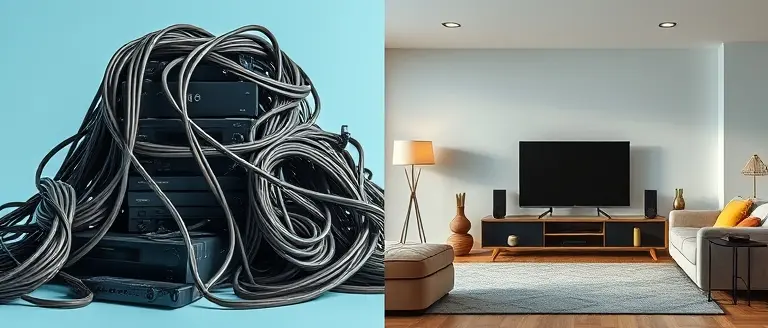
The transition from traditional cable providers to YouTube TV marks a seismic shift in how Americans interact with live media. For decades, the legacy cable model relied on the “rigid bundle,” a framework defined by complex service agreements, mandatory hardware rentals, and tiered channel packages that forced consumers to pay for content they rarely viewed. This physical infrastructure, anchored by coax cables and proprietary set-top boxes, prioritized the distributor’s control over the subscriber’s flexibility. Today, as industry analysts project youtubetv will become the largest pay TV provider by late 2026, the contrast between these models could not be starker.
The Evolution of the Viewing Experience
The move to cloud-based streaming has effectively democratized the television experience. By removing the physical barriers of legacy providers, platforms like YouTube TV have introduced a data-driven architecture that places the consumer at the center of the ecosystem. Instead of static, one-size-fits-all channel lineups, modern streaming utilizes advanced algorithms to curate content, blending live news and sports with personalized recommendations. Key differences in this new era include:
- Hardware Independence: Gone are the days of monthly equipment rental fees; streaming allows users to access content via existing smart TVs, gaming consoles, or mobile devices.
- Algorithmic Discovery: Unlike the static cable grid, AI-driven interfaces learn individual preferences, proactively surfacing relevant sports broadcasts or news segments.
- Contractual Flexibility: The “post-cable” survival guide starts with the freedom to cancel or pause services without the heavy penalties associated with long-term cable contracts.
- Unified Ecosystems: By integrating live broadcasts with search functionality and cloud DVR storage, the platform transforms a fragmented linear experience into a seamless, searchable library.
This shift signifies more than just a change in billing; it represents the “Great Consolidation of Digital Media.” By leveraging the same infrastructure that powers global video search, YouTube TV offers a personalized, scalable, and stable alternative that legacy providers simply cannot replicate, solidifying its status as the best pay TV provider 2026.
The Great Consolidation: Why Cord-Cutting is About More Than Just Price
The rise of YouTube TV as the premier pay-TV provider in 2026 signifies a profound shift in consumer behavior known as “The Great Consolidation of Digital Media.” While legacy cable providers like Comcast and Spectrum once relied on rigid, multi-channel bundles to retain customers, modern viewers are prioritizing interoperability and algorithmic intelligence over simple monthly cost savings. The trend toward youtubetv is not merely a financial decision; it is a strategic migration toward a unified digital hub that seamlessly integrates live sports, breaking news, and on-demand content within a single, highly personalized interface.
The Ecosystem Shift
Evidence suggests that the “cord-cutting” movement is currently being fueled by the desire for friction-free consumption. In an era where social media serves as a primary news source, viewers expect their television experience to mirror the immediacy and connectivity of their online feeds. By consolidating traditional broadcast signals with high-speed digital streaming, YouTube TV offers a “post-cable” experience that bridges the gap between static television and interactive digital media.
Key drivers of this structural change include:
- Algorithmic Discovery: Users now favor systems that learn their habits, surfacing relevant sports events or niche news segments automatically rather than forcing them to navigate antiquated channel guides.
- Cross-Platform Integration: The ability to move from a living room TV to a smartphone or tablet while maintaining a consistent watch history and recommendation profile is a critical value proposition that legacy providers failed to deliver.
- News Convergence: With legacy outlets and platforms like the BBC experimenting with global live-streaming on YouTube, the platform has become the central nervous system for real-time information, rendering separate cable subscriptions redundant for most households.
This transition illustrates why YouTube TV has become the best pay TV provider 2026 has to offer. By aligning with how modern Americans actually consume media—blending social-first news sources with live professional sports—the platform has successfully transformed from a luxury convenience into an essential utility for the digital-first era.
Expert Cord-Cutting Strategies for the Best Pay TV Experience in 2026
Transitioning to a post-cable household in 2026 requires moving beyond mere cost savings and focusing on long-term infrastructure stability. As YouTube TV ascends to become the nation’s largest pay TV provider, the criteria for the “best pay TV provider in 2026” have shifted toward data-driven customization and cross-platform integration. To optimize your home entertainment setup, households should prioritize providers that offer robust multi-view capabilities, unlimited cloud DVR storage, and seamless interoperability with social-news ecosystems where digital consumption now thrives. By treating your internet service provider (ISP) and your content distributor as distinct, decoupled entities, you maintain the flexibility to pivot between services without the restrictive contracts that characterized the legacy era.
Optimizing Your Post-Cable Ecosystem
To ensure a premium viewing experience during this transition, follow these strategic deployment steps:
- Evaluate Network Infrastructure: Ensure your home network supports low-latency streaming to accommodate high-definition multi-view features, which are vital for live sports and synchronized news consumption.
- Leverage AI-Driven Discovery: Use the advanced recommendation engines inherent in platforms like youtubetv to aggregate fragmented news sources, effectively turning your TV into a personalized news feed.
- Prioritize Feature-Rich Interfaces: Select providers that offer unlimited DVR, as the modern consumer habits of “time-shifting” live events require massive, reliable storage to manage the sheer volume of content now available.
- Decouple and Stack: Avoid the convenience trap of “all-in-one” bundles from legacy providers. Instead, subscribe only to the vMVPD that best serves your live entertainment needs while supplementing with standalone niche apps.
The move to a modern streaming architecture is less about eliminating costs and more about reclaiming agency over the broadcast experience. By adopting a “best-of-breed” strategy, families can replicate the reliability of traditional cable while gaining the infinite scalability of a cloud-native platform. As projections indicate a definitive shift toward virtual distribution, your ability to integrate AI-curated discovery with live, appointment-based viewing will define the efficiency and value of your digital home.
Mastering Your Mind in the Streaming Era
As we navigate the Great Consolidation of Digital Media, the transition to YouTube TV represents more than just a change in billing; it marks a fundamental shift in how we process the world around us. With algorithms curating your news, sports, and entertainment, the barrier between personalized content and cognitive overload has never been thinner. While your streaming service handles the curation, maintaining your own mental sharpness remains the ultimate competitive advantage for the modern consumer.
This is where The Brain Song becomes essential. In an age where your attention is the most valuable commodity, this tool acts as a vital mental optimization companion. By mitigating the cognitive fatigue and digital fog that often accompany dense, algorithm-driven media consumption, it allows you to stay sharp, focused, and truly present. Integrating this into your lifestyle isn’t just about watching television—it’s about upgrading how you interact with the digital landscape of 2026.
Now is the time to take control of your cognitive environment, ensuring that you don’t just consume content, but master it.  Optimize your focus for the digital era; discover how The Brain Song can sharpen your mental acuity while you manage your new streaming library. Transform My Mental Clarity Now!