
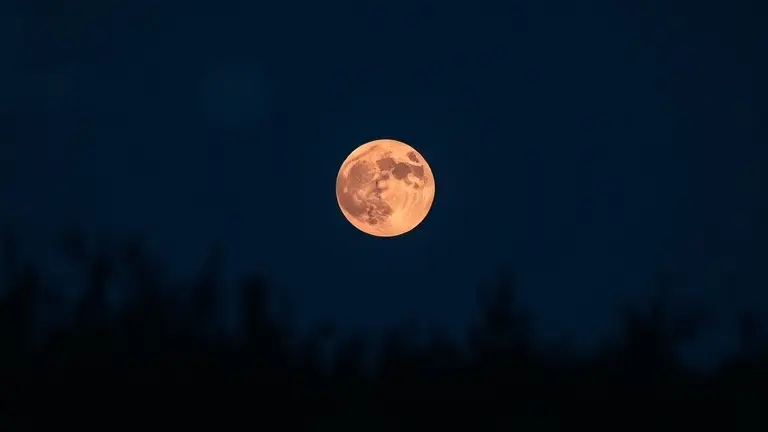
If you have found yourself glancing at the horizon today asking, “is today a full moon?” you are not alone. Tonight, June 29, 2026, the night sky plays host to the celestial event known as the Strawberry Moon. Reaching its peak illumination at approximately 7:56 PM EDT, this lunar display carries a name rooted in deep tradition, marking the time when wild strawberries reach their peak ripeness in North American indigenous culture. Yet, as you step outside to gaze upward, prepare to be surprised—despite the poetic moniker, the moon will not appear tinted in shades of pink, nor will it look like the oversized ‘supermoon’ many have come to expect.
In fact, this year’s event is technically a ‘micromoon,’ appearing slightly smaller than average as it travels through a more distant point in its orbit around Earth. Whether you are an amateur astronomer or a curious observer, understanding what to look for and how to prepare is the key to a successful viewing experience. From managing expectations about its size to finding the perfect vantage point, this guide will ensure you don’t miss a second of this stunning astronomical spectacle.
Is the Strawberry Moon Happening Tonight? Everything You Need to Know
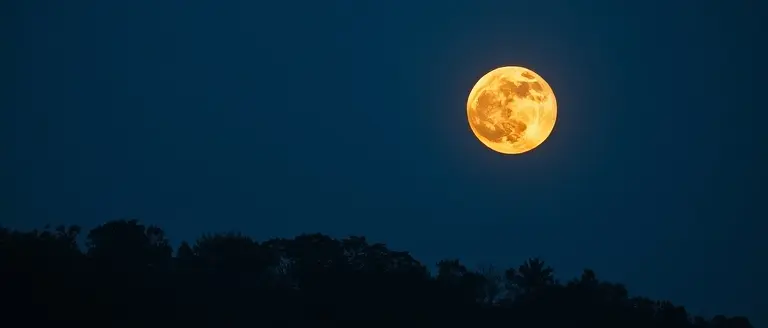
If you are asking, “is tonight a full moon,” the answer is a definitive yes. The 2026 Strawberry Moon reaches its peak illumination on Monday, June 29, at approximately 7:56 PM EDT. As the final full moon before the height of summer, this event is a highly anticipated astronomical occurrence for stargazers across the United States. While many people search for “is today a full moon” hoping to catch a rare lunar spectacle, it is important to understand the timing for your specific location to ensure the best viewing experience as the moon rises in the evening sky.
Understanding the Strawberry Moon Name
Despite the whimsical name, the moon will not appear in a vibrant shade of pink or red. The term “Strawberry Moon” originates from North American indigenous traditions, specifically serving as a seasonal marker for the ripening of wild strawberries in the northeastern United States. It is a cultural moniker rather than a physical description of the moon’s hue. When you look up tonight, expect to see the moon’s usual pale grey or white glow, perhaps tinged with a soft yellow or orange near the horizon due to atmospheric scattering.
Key Facts for Tonight’s Viewing
- Peak Time: The official peak occurs at 7:56 PM EDT on June 29, 2026.
- Micromoon Status: This year’s event is officially categorized as a “micromoon.” Because the moon is near its apogee—the point in its orbit farthest from Earth—it will appear slightly smaller and dimmer than an average full moon.
- Search Context: If you are checking “is it a full moon tonight” or wondering if you missed it, rest assured that the moon will appear full to the naked eye throughout the entire night of June 29 and into the early morning of June 30.
By understanding the seasonal history and the reality of its visual appearance, you can better appreciate this celestial event. Whether you are observing for the sake of lunar energy or simply enjoying a clear summer night, the Strawberry Moon 2026 offers a perfect opportunity for photography and stargazing.
Strawberry Moon Myth-Busting: Why It Won’t Look Pink

If you are wondering, “is it a full moon tonight” and hoping to see a celestial body bathed in shades of rose or berry-red, you might be surprised when you step outside. Despite the romanticized name, the Strawberry Moon does not actually appear pink. For those asking, “is tonight a full moon” expecting a distinct color shift, it is important to clarify that this lunar event—occurring on June 29, 2026—will appear as a typical, brilliant pearly white or, depending on atmospheric conditions, a golden-yellow or deep orange hue when positioned near the horizon.
The Origin of the Name
The term “Strawberry Moon” is not derived from the moon’s visual appearance but is instead rooted in North American indigenous traditions. According to historical records and the Farmer’s Almanac, the name was coined by Algonquin tribes to signal the time of year when wild strawberries began to ripen. It served as a seasonal calendar marker for agriculture and foraging rather than an astronomical description of the lunar surface.
What to Expect Tonight
As you head out to view the full moon, keep these visual factors in mind to manage your expectations:
- The “Micromoon” Effect: Because this full moon occurs when the moon is at its furthest point from Earth (apogee), it is technically a “micromoon.” It will appear slightly smaller and less bright than a “supermoon,” though the difference is subtle to the naked eye.
- Atmospheric Scattering: If you see the moon looking orange or red, it is likely due to the moon’s position near the horizon. Light must travel through more of the Earth’s atmosphere at this angle, scattering shorter blue wavelengths and leaving the longer, warmer tones to reach your eyes.
- The “Is Today a Full Moon” Reality Check: Regardless of the strawberry moon 2026 moniker, the lunar light remains the standard, high-contrast glow we are accustomed to seeing throughout the year.
By understanding that the name is a symbolic cultural reference rather than a literal optical phenomenon, you can better appreciate the historical significance of the strawberry moon full moon tonight while enjoying the natural beauty of the night sky.
What It Means to See a ‘Micromoon’ Tonight
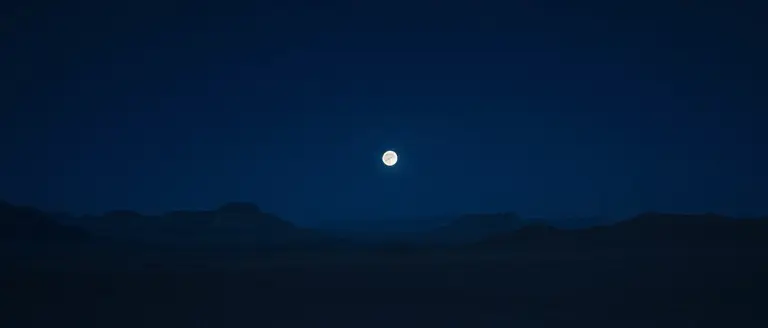
As you look up at the strawberry moon full moon tonight, you may notice that our lunar neighbor appears slightly more modest in size than the “supermoons” often featured in media headlines. This astronomical event is officially categorized as a micromoon, which occurs when the full moon reaches its peak illumination while near apogee—the point in its elliptical orbit furthest from Earth. Because the moon’s orbit is not a perfect circle, this increased distance results in a disk that appears about 14% smaller and roughly 30% dimmer than the largest supermoons. While the term “micromoon” might sound technical, it simply describes a natural variance in lunar distance that happens periodically throughout the year.
Why Your Perception Matters
If you are asking, “is it a full moon tonight” and expecting a massive, glowing orb filling the horizon, it is important to manage your expectations. Because this is a micromoon, the visual impact is subtle.
- Size Variance: While the difference in size is mathematically significant to astronomers, it can be difficult for the casual observer to discern with the naked eye alone.
- Atmospheric Refraction: Near the horizon, the moon may look larger due to a psychological phenomenon known as the “moon illusion,” where the brain compares the moon to distant foreground objects like trees or buildings.
- Brightness Levels: The reduced brightness of this 2026 event makes it easier to photograph without overexposing the sensor, offering a unique opportunity for stargazers to capture details on the lunar surface without the intense glare associated with closer moons.
Whether tonight is a full moon that looks different to you or not, the scientific reality of this micromoon does not diminish its beauty. It serves as a reminder of the dynamic, ever-changing relationship between Earth and its only natural satellite. Even if it is not the largest moon of the year, it remains the defining celestial event of late June.
Your Stargazing Checklist: How to Best View and Photograph the Moon
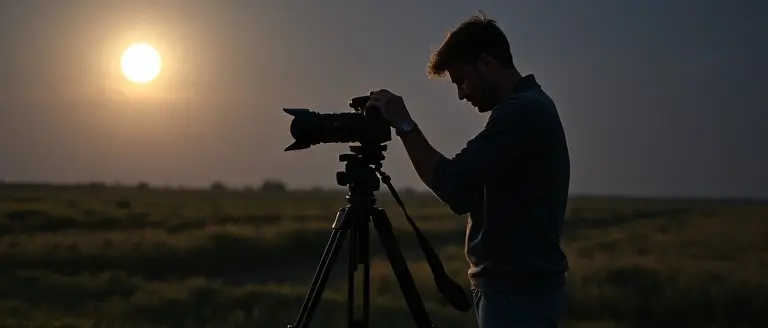
If you are wondering, is it a full moon tonight? The answer is yes, as the 2026 Strawberry Moon reaches peak illumination on June 29. Because this lunar event is classified as a micromoon, it will appear slightly smaller and dimmer than the average full moon. To ensure you catch the best view, follow this strategic checklist to prepare for tonight’s celestial display.
Essential Viewing Tips
Before heading out, check your local weather forecast for cloud cover, as atmospheric conditions are the biggest factor in visibility. Since the moon will be lower on the horizon, seek out an observation spot with a clear, unobstructed view of the southeastern sky.
- Time Your Viewing: While the peak occurs at 7:56 PM EDT, the moon will remain visible throughout the night.
- Find Elevation: If you live in an urban environment, head to a rooftop or an open park to avoid light pollution and skyscraper interference.
- Adapt Your Eyes: Give your vision at least 15 to 20 minutes to adjust to the darkness; avoid looking directly at your smartphone screen during this time.
Photography Guide for the Micromoon
Capturing a high-quality photo of the full moon requires more than just pointing and shooting. Because the moon is distant, many smartphone cameras struggle with overexposure, often turning the lunar surface into a bright white blob.
- Use a Tripod: To eliminate camera shake and ensure a sharp image, a stable tripod is essential for long-exposure photography.
- Manual Focus is Key: Set your camera or smartphone app to manual focus and dial it in until the lunar craters are crisp.
- Adjust Exposure: Lower your exposure settings significantly. You are essentially photographing a bright light source against a dark background, so underexposing the frame will bring out the delicate details of the lunar landscape.
By following these steps, you will be well-equipped to appreciate the subtle beauty of tonight’s strawberry moon 2026 event. Whether you are wondering is tonight a full moon for casual observation or serious astrophotography, proper planning ensures you capture the most of this unique seasonal phenomenon.
Elevate Your Stargazing Experience
As the Strawberry Moon reaches its peak tonight, remember that the most rewarding astronomical experiences are those where you are fully prepared. While the moonlight provides the spectacle, the quality of your evening—whether you are capturing long-exposure photography or simply relaxing on your porch—depends entirely on your vantage point and the stability of your equipment.
Great observation is about more than just looking up; it is about craftsmanship. If you have ever felt limited by a shaky camera rig or the lack of a proper viewing deck, you understand that precision is just as important in your hobbies as it is in the movement of the planets. By building a dedicated, stable viewing platform or a custom tripod mount, you transform your backyard from a simple lawn into a professional-grade observatory site.
Don’t let your next viewing opportunity be hampered by poor setups. With the right blueprints, you can bring the precision of professional engineering into your own home, ensuring every lunar event is enjoyed in total comfort and stability. It is time to turn your backyard into the ultimate retreat for every future celestial event.
 Ready to build the perfect viewing deck or camera rig for the next lunar event? Explore 16,000 professional workshop plans to get started tonight.Yes, I Want to Build My Viewing Station!