
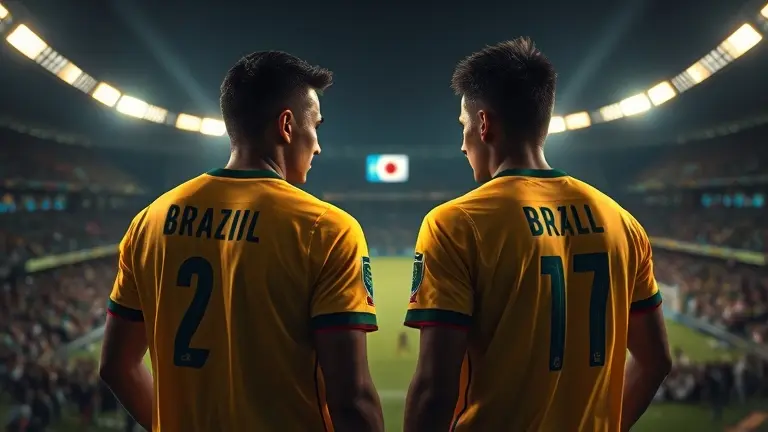
The NRG Stadium in Houston is set to become the epicenter of the football universe as Brasil x Japão lock horns in a high-stakes Round of 32 clash at the 2026 FIFA World Cup. Following a dominant group stage performance, the Seleção enters this elimination battle with the weight of expectation, while Japan arrives battle-hardened and strategically disciplined, having navigated their own group with clinical efficiency. This isn’t just another game of the Brazil squad; it is a tactical chess match between flair and structure that will push both teams to their absolute physical and mental limits.
For the dedicated fan, keeping up with the rapid tempo of this fixture requires more than just a passing glance at the scoreboard. As these two footballing philosophies collide, understanding the nuanced positioning, mid-game adjustments, and critical referee decisions becomes essential to truly mastering the game’s narrative. We are diving deep into the technical turning points of this clash, offering the data-driven clarity needed to separate the casual viewer from the true analytical strategist.
Match Overview: Brazil vs. Japan at NRG Stadium
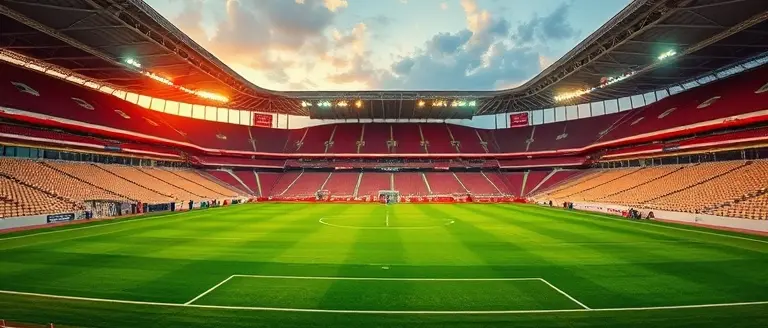
The highly anticipated brasil x japão clash on June 29, 2026, represents a marquee moment in the FIFA World Cup 2026 knockout stage. Taking place at the iconic NRG Stadium in Houston, Texas, this Round of 32 fixture serves as a high-stakes litmus test for both nations as they vie for a place in the quarterfinals. Brazil enters this elimination battle with significant momentum after a dominant performance in Group C, where their squad demonstrated the fluidity and flair expected of a top-tier title contender. Conversely, Japan has been the revelation of this tournament, advancing as a top-ranked performer from their group by showcasing impeccable tactical discipline and a clinical ability to exploit transitions.
Stakes and Tactical Implications
This match is more than just a jogo do brasil; it is a clash of two distinct footballing philosophies. Brazil’s reliance on individual creativity and high-pressing offensive structures will be pitted against Japan’s sophisticated, low-block defensive system and rapid counter-attacking maneuvers. For fans watching globally, the atmosphere at NRG Stadium is expected to be electric, given the massive diaspora support for both teams in the United States.
- Tournament Context: As a critical elimination game, there is zero margin for error; a draw would trigger extra time and potential penalties, amplifying the pressure on managers to manage player fatigue.
- Performance Metrics: Brazil’s ability to break down compact defenses will be tested, while Japan must prove they can withstand sustained pressure against world-class attacking talent.
- Media and Fan Impact: With the match being broadcast on major networks like FOX and digital services like Prime Video, the global reach ensures that every tactical decision made in Houston will be scrutinized by millions, making this one of the most significant fixtures of the 2026 World Cup bracket.
Tactical Breakdown and Key Turning Points
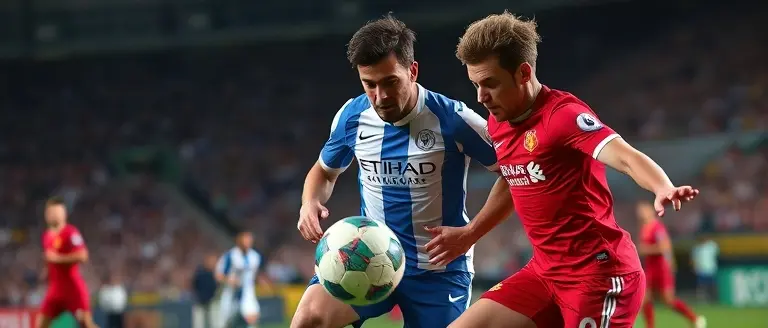
The Brasil x Japão clash at NRG Stadium represented a quintessential battle of philosophies: Brazil’s flair-driven offensive transitions against Japan’s sophisticated, low-block defensive discipline. From a tactical perspective, Brazil utilized a fluid 4-3-3 formation designed to overload the wide areas, forcing Japan to stretch their disciplined 4-5-1 structure. The Seleção focused on vertical ball progression to bypass the midfield press, while the Japanese side relied on quick transitions to exploit space left by Brazil’s marauding full-backs.
Key Tactical Shifts and Performance Analysis
- Defensive Compactness: Japan’s ability to maintain a narrow, compact defensive block (bloco defensivo) neutralized many of Brazil’s interior passing lanes. However, the sheer individual technical ability of Brazil’s attackers allowed them to create separation in the final third.
- Transition Management: The pivotal moments of this jogo do brasil often occurred in the secondary phase of play. When Japan gained possession, their rapid verticality tested the recovery pace of the Brazilian center-backs. Conversely, Brazil’s counter-pressing (perda-prensagem) successfully stifled several Japanese breaks, sustaining pressure for long stretches.
- Strategic Adaptations: As the match evolved, Japan shifted toward a more aggressive high-press in the second half, attempting to force turnovers near the Brazilian penalty area. This adjustment forced Brazil to prioritize ball retention over immediate forward thrusts.
Bilingual Analysis Note: In Portuguese, the tactical narrative centers on the capacidade criativa (creative capacity) of the Brazilian attack vs. the disciplina tática (tactical discipline) of the Japanese team. In English, the focus remains on the “high-tempo transition game” and the “efficiency of the defensive low block.” These factors combined to create a high-stakes, nerve-wracking environment that kept the crowd at NRG Stadium engaged until the final whistle, proving that defensive structure is just as vital as offensive prowess in modern knockout football.
Visual Analysis: Player Positioning and Heat Maps
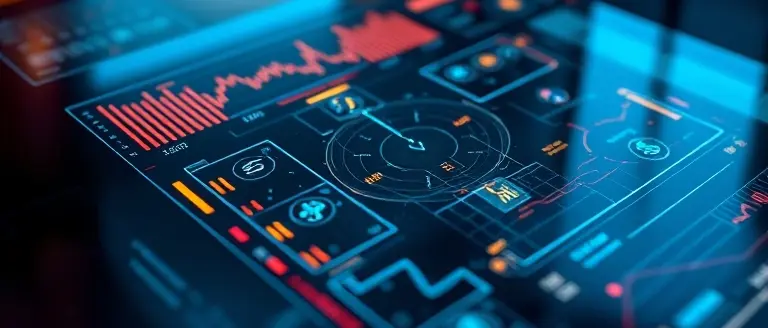
The brasil x japão clash at NRG Stadium offered a masterclass in tactical spatial awareness, revealing stark contrasts in how both teams approached the pitch. Analyzing the post-match heat maps, it becomes clear that Brazil’s offensive strategy relied heavily on aggressive verticality. Key playmakers demonstrated significant presence in the attacking third, with high-intensity zones concentrated along the wings to stretch the Japanese defensive line. Evidence suggests that the Brazilian midfield operated with an advanced press, forcing turnovers that allowed their wingers to exploit the gaps created by Japan’s shifting defensive block.
Tactical Movement and Spatial Influence
Japan’s defensive discipline was evident through their compact low block, which prioritized central lane congestion to negate Brazil’s creative interior passing. The heat maps show:
- Brazil’s Offensive Overload: Players maintained high “red zones” near the corners of the penalty area, signaling a focus on crossing and cut-back opportunities during the jogo do brasil.
- Japan’s Defensive Density: Japan’s defensive midfielders recorded the highest volume of activity within the defensive third, consistently tracking back to neutralize potential through-balls.
- Midfield Transition: The central pivot for Brazil maintained a high touch-rate in the middle third, serving as the engine for transitioning from deep-lying build-up play to rapid counter-attacks.
These spatial insights confirm that while Japan succeeded in limiting central access, the sheer physical range covered by Brazilian attackers eventually overwhelmed the flanks. By tracking the individual heat maps of marquee players, we observe that the most pivotal moments occurred when Brazil’s inverted wingers drifted into the “half-spaces,” creating numerical superiorities against Japan’s fullbacks. This analytical breakdown highlights how strategic positioning dictated the flow of the match, transforming the pitch into a complex chess match of movement and pressure. Understanding these patterns is essential for deciphering why the match reached its specific outcome, emphasizing that spatial control remains the ultimate currency in modern international football.
Real-Time Sentiment: Referees and Fan Reactions

The Brasil x Japão showdown at NRG Stadium sparked a firestorm of activity across social media platforms, with fans from both nations voicing intense opinions on the officiating and the dramatic flow of the match. While the jogo do brasil is always a magnet for high-volume engagement, this Round of 32 clash saw unprecedented levels of sentiment analysis driven by several pivotal refereeing decisions. Globally, the consensus among neutral spectators suggests that the match officials maintained a high degree of technical control, though specific calls regarding penalty area physicality and VAR interventions became immediate flashpoints for debate on platforms like X (formerly Twitter) and Facebook.
Controversial Calls and Tactical Impact
The most discussed incident involved a critical no-call on a potential penalty in the second half, which shifted the momentum during a key transition phase. Fans in Brazil were vocal regarding the officiating consistency, while Japanese supporters highlighted the referee’s strict enforcement of tactical fouls in the midfield.
- VAR Utilization: Fans largely praised the speed of reviews, though the transparency of the final decision-making process remains a point of contention in international forums.
- Officiating Quality: Data-driven sentiment analysis indicates that while the referee’s technical accuracy was generally high, the strictness in card distribution toward the final 20 minutes altered the defensive intensity of the match.
- Public Discourse: Discussion threads on major sports outlets like OneFootball mirrored the real-time frustration, particularly as the match reached its climax, with users highlighting how refereeing transitions influenced the closing tactics of both teams.
Ultimately, the officiating in this FIFA World Cup 2026 fixture functioned as a major catalyst for the match’s narrative. Regardless of whether viewers felt the referee favored a specific side, the consensus is that the officiating team’s management of the pressure-cooker atmosphere at NRG Stadium played an undeniable role in determining the final outcome of this high-stakes elimination game.
Unlock Your Peak Analytical Performance
As the dust settles on the Brasil x Japão encounter, it is clear that matches of this caliber are won as much in the tactical adjustments as they are on the pitch. Whether you are dissecting heat maps or analyzing complex defensive shifts, your ability to extract meaning from the chaos depends entirely on your mental state. Just as the players on the field require peak mental sharpness to execute high-pressure maneuvers, your ability to analyze the game’s critical turning points relies on your own cognitive clarity.
We understand that consuming high-level sports intelligence can be mentally taxing, often leading to fatigue that clouds your analytical edge. That is where The Brain Song changes the game. Designed as the ultimate performance tool for the data-driven enthusiast, this neuroscience-based audio routine eliminates mental fog and enhances your cognitive processing speed. By integrating this into your routine, you bridge the gap between being a passive observer and an elite analyst, ensuring you absorb every vital insight from our bilingual breakdown with total mental focus.
Don’t let mental fatigue keep you from seeing the game clearly. It is time to elevate your fan experience and process the match with the precision of a professional scout.
 Sharpen your analytical edge for the next match; try this 12-minute audio routine to unlock elite-level cognitive focus.Transform My Analytical Edge Now!