
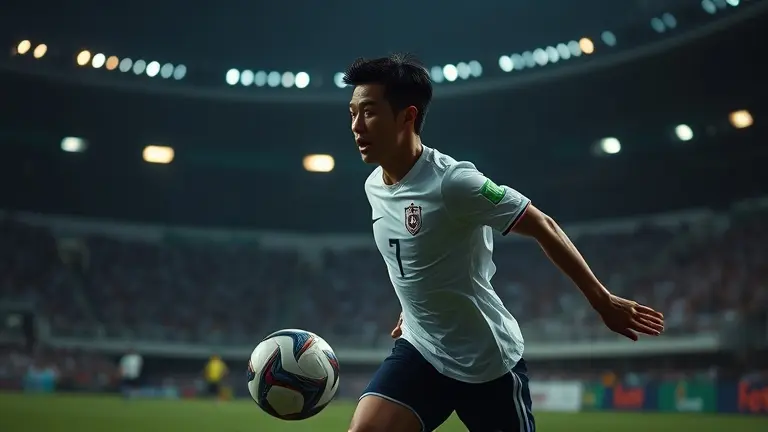
The 2026 FIFA World Cup Round of 32 delivered a seismic shift in global football, as the clash between Brasil vs. Japón left fans and analysts stunned. While the world expected a masterclass from the Seleção, it was the tactical discipline of the Japanese side—and specifically the breakout performance of Kaishū Sano—that defined the narrative. When Sano unleashed his spectacular “screamer” from outside the box to claim an early lead, he didn’t just score a goal; he signaled a new tactical era for Japan, showcasing a level of composure rarely seen against a powerhouse of Brazil’s caliber.
This performance has ignited a firestorm of discussion regarding the intersection of raw talent and cognitive processing. How does a young midfielder maintain such profound mental clarity when the weight of a nation—and the eyes of the entire world—are fixed on him? As we break down the tactical setup that allowed Japan to stand toe-to-toe with Brazil, it becomes clear that Sano’s success relies on more than just footwork; it relies on an elite ability to read the game in milliseconds. Join us as we explore the mental mechanics behind this high-stakes performance and how you can apply those same principles of focus to your own daily grind.
The Brazil vs. Japan 2026 World Cup Shock: A Round of 32 Classic

The June 29, 2026, Round of 32 encounter between brasil – japón will be remembered as one of the most electrifying displays of tactical discipline and individual brilliance in recent FIFA World Cup history. Entering the match as heavy favorites, Brazil looked to dominate the proceedings with their signature fluidity; however, Japan’s disciplined defensive block and rapid transition play quickly turned the fixture into a high-stakes psychological battle. The atmosphere inside the stadium reached a fever pitch when it became clear that Japan was not merely content with sitting back, but was actively hunting for a decisive opening against the Seleção.
The Moment That Changed Everything
The match’s defining moment arrived courtesy of Kaishū Sano, whose breakout performance captivated a global audience. Positioned well outside the penalty area, Sano capitalized on a rare defensive lapse by the Brazilian midfield, unleashing a thunderous “screamer” that sailed past the goalkeeper into the top corner. This extraordinary goal immediately shifted the game’s momentum, forcing Brazil to abandon their methodical build-up in favor of an urgent, high-press approach that left their backline vulnerable to Japan’s lethal counter-attacks.
The impact of this goal resonated far beyond the pitch, as social media platforms exploded with reactions to the sheer technical audacity of the strike. Key tactical takeaways from this historic brasil vs. japón clash include:
- Sano’s Tactical Discipline: Beyond his goal, Sano’s positioning provided Japan with a crucial outlet, effectively neutralizing Brazil’s transition threats.
- Japan’s Resilience: The underdog narrative proved accurate as the Japanese squad maintained structural integrity under immense pressure.
- Global Engagement: Real-time updates via NBC Sports and FOX Sports confirmed that this fixture dominated global sports trends, highlighting the growing parity in international football.
As the match progressed, Sano’s performance became the focal point of a broader discussion regarding Japan’s rapid evolution under their current tactical philosophy. By successfully challenging a football powerhouse, Japan solidified their reputation as a team capable of upsetting the established hierarchy on the world’s biggest stage.
Kaishū Sano: Analyzing the Breakout Star of the Tournament

The match between brasil y japón during the 2026 FIFA World Cup will long be remembered for the defining performance of midfielder Kaishū Sano. Thrust into the limelight on the global stage, Sano demonstrated a level of tactical maturity and technical precision that caught the Brazilian defense off-guard. His “screamer”—a long-range strike executed with blistering velocity and pinpoint accuracy—served as the primary catalyst for Japan’s early dominance. Beyond the aesthetic brilliance of the goal, the mechanics behind it revealed a player capable of identifying defensive gaps under extreme pressure, exploiting the slightest lack of compression in Brazil’s midfield structure.
Technical Breakdown and Tactical Impact
Sano’s performance was not an anomaly but a culmination of his disciplined development within the Japanese system. His ability to anchor the midfield while simultaneously serving as an offensive threat highlights his versatility. Key observations regarding his breakout display include:
- Spatial Awareness: Sano consistently identified transition opportunities, positioning himself to receive clearance balls and immediately distribute or shoot.
- Ball Striking Mechanics: The technical execution of his goal demonstrated elite core control and follow-through, a signature trait of modern box-to-box midfielders.
- Defensive Resilience: Against a powerhouse like Brazil, his work rate in tracking back prevented several high-probability scoring chances, proving he is a dual-threat asset.
Analysts suggest that this performance has significantly altered his international career trajectory. With clubs now monitoring his high-pressure consistency, his market value is expected to surge exponentially. By outperforming world-class opposition in a high-stakes Round of 32 clash, Sano has transitioned from a promising prospect to a proven commodity in international football, signaling a shift in Japan’s overall tactical identity on the world stage.
Japan’s Tactical Evolution: A New Era in International Football
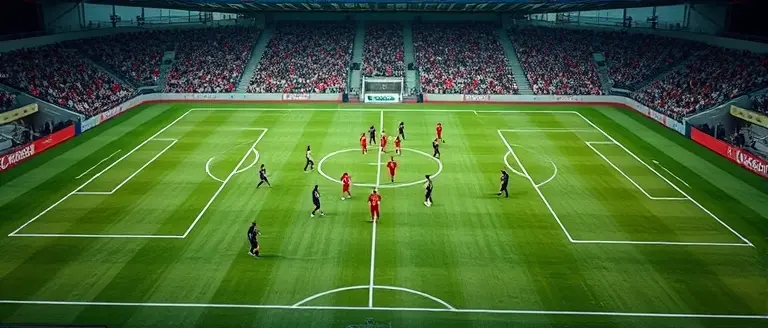
The recent brasil – japón encounter in the 2026 FIFA World Cup Round of 32 served as a definitive showcase for Japan’s modernized tactical philosophy. Moving away from the traditional, possession-heavy style that defined their earlier international campaigns, the current Japanese squad has pivoted toward a high-intensity transition model that prioritizes verticality and clinical decision-making under pressure. This evolution was on full display when Kaishū Sano delivered a stunning long-range strike, a goal that epitomized the team’s newfound confidence in exploiting space outside the box. By forcing turnovers in the middle third and immediately looking to launch counter-attacks, Japan effectively neutralized the typical flow of a brasil vs. japón matchup, forcing the South American giants to defend in transition far more often than anticipated.
Key Pillars of the Tactical Shift
Japan’s growth into a global contender is built upon several strategic adjustments that allow them to punch above their weight against traditional powerhouses:
- Dynamic High-Pressing: The coaching staff has implemented a sophisticated pressing scheme that isolates opponents’ pivots, forcing them into hurried clearances that Japan recovers with extreme efficiency.
- Clinical Long-Range Proficiency: As demonstrated by Kaishū Sano, the tactical directive now encourages midfielders to test the goalkeeper from distance, specifically when deep defensive blocks make penetration through the middle difficult.
- Tactical Flexibility: Japan displays the ability to switch between a fluid 4-3-3 and a more conservative low block, allowing them to dictate the tempo against teams like Brazil without sacrificing defensive stability.
This evolution is not merely about defensive resilience; it is a calculated risk-reward strategy designed for the high-stakes environment of a World Cup tournament. By prioritizing speed and precision in the transition phase, Japan has moved into a new era where they are no longer satisfied with being a mere underdog. Instead, they are positioning themselves as a tactical nightmare capable of dismantling top-tier defensive structures through individual brilliance and collective discipline.
Relive the Highlights: The Key Moments That Defined the Brazil-Japan Clash
The 2026 FIFA World Cup Round of 32 encounter between brasil – japón will be remembered as a masterclass in tactical discipline and individual brilliance. From the opening whistle, the underdog narrative shifted as Japan’s organized press forced the South American giants into uncharacteristic errors. The defining moment of the first half—and perhaps the tournament thus far—was the spectacular strike by kaishū sano. Receiving the ball just outside the penalty area, Sano unleashed a clinical “screamer” that left the Brazilian goalkeeper reaching into thin air, silencing the stadium and shifting the momentum firmly in Japan’s favor. Fans looking to analyze the mechanics of this goal should seek out the viral short-form clips now trending on social media, which provide multi-angle perspectives of his perfect technical execution.
Tactical Vulnerabilities and Japan’s Breakthrough
The brasil vs. japón match exposed specific defensive vulnerabilities within the Brazilian setup, particularly their transition speed against rapid counter-attacks. Japan’s tactical scheme relied on a disciplined low-to-mid block that successfully clogged the central passing lanes, forcing Brazil to operate in wider, less dangerous areas. Key highlights from the clash include:
- Sano’s Positioning: Kaishū Sano consistently found space in the “half-space” pockets, where Brazilian defensive midfielders failed to track his late runs into the box.
- The Pressing Trap: Japan utilized a high-intensity trigger press whenever a Brazilian full-back committed forward, creating numerical superiority during turnovers.
- Defensive Resilience: Despite relentless late-game pressure from the Brazilian attack, Japan’s backline maintained their shape, showcasing a level of composure that analysts argue has been years in the making.
Evidence suggests that Japan’s performance was not merely a stroke of luck but the result of a deliberate tactical evolution. By exploiting the space behind Brazil’s aggressive wing-backs, they controlled the rhythm of the game. For spectators catching up on the highlights, the contrast between Brazil’s fluid, individual-focused play and Japan’s rigid, collective structure remains the primary takeaway from this historic World Cup fixture.
Mastering the Mental Edge of Elite Performance
The shockwaves from the Brasil vs. Japón encounter prove that football is as much a mental game as it is a physical one. Kaishū Sano’s tactical awareness and that split-second decision to strike from distance were not mere luck; they were the result of a mind operating in a profound state of cognitive clarity under immense pressure. This ability to process the chaotic environment of a World Cup knockout stage is what separates the legends from the rest of the field.
It wasn’t just physical technique that gave Sano the edge in that high-pressure moment; it was elite mental processing. Just as top athletes use rigorous training to sharpen their focus, many high-performers are now turning to neuroscience-based audio to optimize their own brain performance. You don’t have to be a professional midfielder to benefit from the same level of mental sharpness that allows a player to thrive in the heat of a global tournament.
The Brain Song is the premier tool for those looking to reach that elusive ‘flow state.’ Unlike invasive supplements, this audio-based solution enhances your cognitive learning capacity and focus, giving you the mental clarity needed to tackle your own high-stakes challenges. Whether you are leading a boardroom presentation or training for your next competitive goal, this 12-minute routine provides the neural boost necessary to stay ahead of the curve. It is the natural next step for anyone committed to peak performance.
 Want to sharpen your focus like a pro? Experience the power of the 12-minute daily routine that enhances cognitive performance.Unlock My Mental Edge Now!