
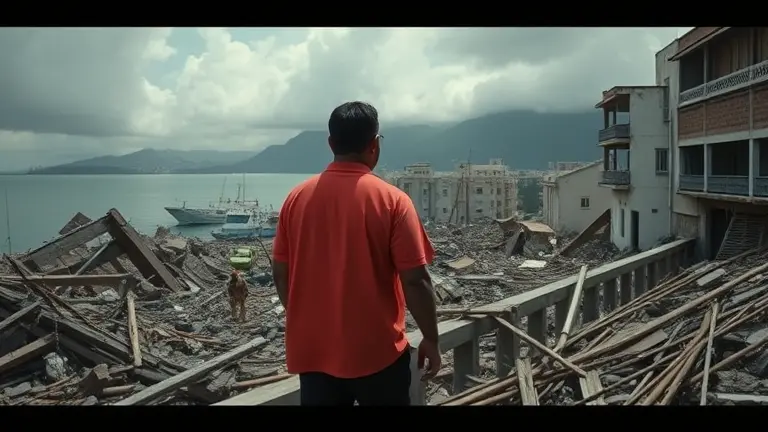
In late June 2026, the coastal region of La Guaira, Venezuela, became the epicenter of a catastrophic double earthquake event, with tremors measuring magnitudes 7.2 and 7.5 shattering the local landscape. As the dust settles, the harrowing human toll—thousands missing, injured, or lost—has drawn an urgent, international search-and-rescue response to these restricted-access zones. Beyond the immediate shock and raw statistics, this tragedy exposes the chronic vulnerability of regional infrastructure, prompting a desperate need for a deeper understanding of building resilience and the logistics of recovery in an era of climate instability.
As authorities work to stabilize the area, the focus must shift from initial crisis management to the long-term reality of structural recovery. For communities grappling with total destruction, the path forward requires more than just goodwill; it demands actionable, technical knowledge to rebuild living spaces that can withstand future seismic activity. This article provides a critical, fact-checked overview of the situation while offering the essential resources necessary for survivors and local aid groups to begin the arduous process of community-led reconstruction.
Situation Update: June 2026 Venezuela Earthquake Crisis
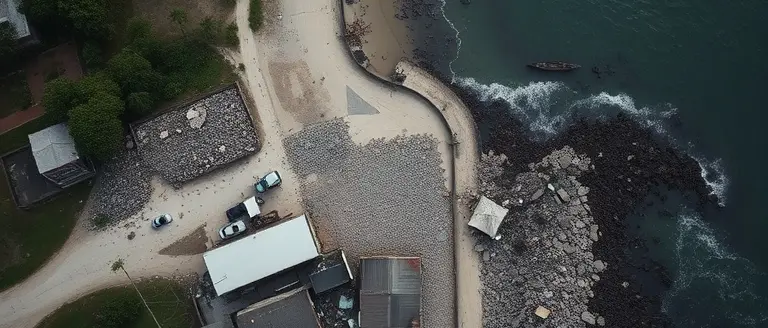
In late June 2026, Venezuela was struck by a devastating geological event characterized as a “double earthquake” sequence. Two massive tremors, registering magnitudes of 7.2 and 7.5, struck the nation with little warning, resulting in widespread structural collapse and humanitarian instability. The coastal region of La Guaira has emerged as the epicenter of the destruction, sustaining the heaviest damage to residential, commercial, and critical infrastructure. As of June 28, 2026, the human toll is profound: official reports confirm at least 1,430 fatalities, with the number of injured exceeding 3,000. Furthermore, approximately 70,000 individuals remain missing, creating an urgent, high-stakes search-and-rescue environment that continues to challenge international humanitarian responders.
The Current Humanitarian Landscape
The operational environment in the affected zones is strictly controlled to maximize the efficiency of search-and-rescue teams. Authorities have officially restricted access to the hardest-hit areas, including sections of La Guaira, to prevent interference with heavy machinery operations and to maintain security. The situation regarding any terremoto en venezuela hoy remains fluid, with constant updates as crews navigate through the unstable debris. International observers and aid organizations are monitoring the following key statistics and updates:
- Casualty Numbers: 1,430 confirmed deaths and over 3,000 reported injuries.
- Displaced Persons: Nearly 70,000 people are currently listed as missing, prompting mass international inquiries.
- Operational Restrictions: Entry to the primary impact zones is limited to authorized rescue and medical personnel to manage the ongoing crisis safely.
- Global Impact: The tragedy has prompted an urgent, multi-national response, with significant casualties confirmed among foreign nationals, including citizens from Spain.
Given the scale of the terremoto, authorities are prioritizing the stabilization of infrastructure to allow for the recovery of survivors. The “twin earthquake” phenomenon has complicated structural integrity assessments, as subsequent tremors have weakened already compromised buildings. Citizens and international parties seeking information regarding a temblor en venezuela hoy are encouraged to rely exclusively on official state bulletins and vetted international news agencies to avoid the spread of misinformation during this critical recovery phase.
Crisis Geography: Impacted Zones and Logistics
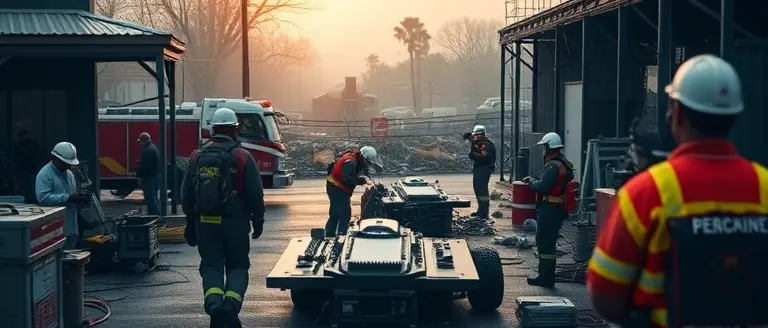
The catastrophic terremoto that struck Venezuela in late June 2026 has transformed the coastal topography of the region, with the port city of La Guaira serving as the epicenter of the destruction. Following the twin magnitude 7.2 and 7.5 tremors, the geographical reality of the area has shifted significantly. The mountainous terrain surrounding La Guaira, already prone to landslides, has experienced extensive soil liquefaction and infrastructure failure, complicating relief efforts. Authorities have taken the drastic step of cordoning off the most severely hit zones, restricting access to all but essential emergency personnel to prevent further loss of life and to manage the chaotic recovery of victims trapped under debris.
Managing Access and Operational Challenges
The necessity of a restricted-access zone is driven by the urgent need to maintain search-and-rescue corridors. Because terremoto en Venezuela reports indicate that primary roadways are fractured or obstructed by rubble, the logistics of transporting heavy machinery and international aid teams have become a bottleneck. By limiting movement, authorities can prioritize the following:
- Search and Rescue (SAR) Efficacy: Specialized units are currently conducting frantic, high-risk operations in unstable buildings, where structural integrity remains a life-threatening variable.
- Logistical Fluidity: Designated supply chains must remain clear for the transport of medical supplies and the evacuation of the 3,000 injured individuals reported thus far.
- Security and Safety: Restricted zones prevent civilian interference in hazardous areas where aftershocks continue to pose a risk to both survivors and rescuers.
Tracking a temblor en Venezuela hoy is difficult for families due to these strict limitations, but officials emphasize that these protocols are vital for the survival of those trapped. While international observers and humanitarian groups coordinate efforts, the geographic reality requires a phased approach: first, stabilizing the most critical sectors of La Guaira, and second, gradually opening logistics corridors to allow for larger-scale humanitarian aid to reach the displaced populations. Public cooperation in respecting these cordons is essential for the efficacy of the ongoing recovery mission.
Resources for Families and International Inquiries

For families in the United States seeking information regarding loved ones affected by the terremoto en Venezuela, it is critical to rely exclusively on official channels to ensure accuracy. The aftermath of the terremoto has created a high-stakes environment where misinformation can spread rapidly across social media. U.S. citizens requiring emergency assistance or seeking information about family members in the impacted areas, particularly the hard-hit region of La Guaira, should immediately contact the U.S. Department of State. The State Department provides specific protocols for consular assistance during major humanitarian disasters and can help coordinate welfare checks through local diplomatic presence if access permits.
Official Channels and Contact Procedures
To navigate the chaos of a temblor en Venezuela hoy, utilize the following vetted resources to streamline communication and avoid the pitfalls of unverified reports:
- U.S. Department of State: American citizens in Venezuela should register with the nearest U.S. Embassy or Consulate through the Smart Traveler Enrollment Program (STEP). For those in the U.S. concerned about relatives, call the Office of Overseas Citizens Services at 1-888-407-4747.
- Consular Services: Maintain ongoing contact with the U.S. Embassy in Caracas or the nearest designated relief hub. Be prepared to provide the full name, date of birth, passport information, and last known location of the individual you are trying to reach.
- International Red Cross/Red Crescent: These organizations are on the ground in La Guaira and provide a formal ‘Restoring Family Links’ service. This is often the most effective way to track missing persons when telecommunications are unstable.
Verifying Information and Avoiding Misinformation
During the current terremoto en Venezuela, the influx of fragmented updates can lead to confusion. Relying on verified, authoritative sources—such as official bulletins from the Venezuelan authorities and international aid organizations—is the only way to ensure reliable data. Avoid sharing unconfirmed reports, as these can overwhelm emergency response coordination teams. When seeking updates on the terremoto, prioritize institutional sources over anecdotal accounts to protect the privacy and safety of those in the field. Adhering to these guidelines ensures that official rescue efforts, which are currently prioritizing the most critical zones of destruction, remain focused on life-saving operations.
How to Support Verified Relief Efforts
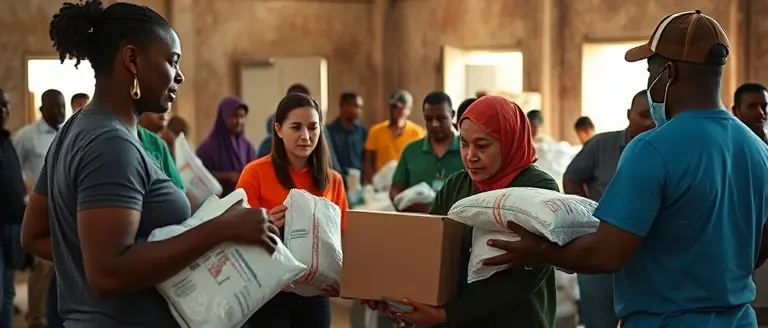
In the wake of the catastrophic terremoto that devastated La Guaira and surrounding coastal areas, the international community has mobilized to provide urgent assistance. When responding to a terremoto en Venezuela, it is vital for donors to prioritize efficiency and logistics. Humanitarian experts strongly discourage the uncoordinated shipment of physical goods—such as clothing, food, or medical supplies—to the affected regions. In the aftermath of the terremoto en venezuela hoy, transportation infrastructure remains severely compromised, and unsolicited supplies can create logistical bottlenecks that obstruct professional search-and-rescue teams.
Financial Contributions: The Most Effective Aid
To ensure that help reaches those most in need, financial donations through established, reputable organizations are the most effective way to support recovery efforts. Monetary support allows relief agencies to purchase local resources, which minimizes shipping delays and supports the local economy. When looking for a temblor en venezuela hoy relief fund, verify the organization’s track record in disaster response. We recommend focusing on the following entities, which are currently coordinating with authorities:
- The International Federation of Red Cross and Red Crescent Societies (IFRC): They are providing emergency medical care and temporary shelter to survivors in high-impact zones.
- Doctors Without Borders (MSF): Currently deploying mobile clinics to address the medical surge resulting from the widespread destruction.
- Direct Relief: Focused on supplying essential medicines and equipment to frontline healthcare facilities struggling with the sudden influx of patients.
Avoiding Misinformation and Scams
Disaster events often attract fraudulent actors seeking to exploit the global outpouring of empathy. Before initiating any donation, verify that the organization is officially recognized and operating in coordination with international disaster aid registries. Avoid clicking on links from unverified social media posts or unsolicited emails regarding the terremoto. By sticking to official humanitarian channels, you ensure your contribution directly supports the critical recovery operations, search-and-rescue logistics, and long-term rebuilding efforts necessary for the resilient communities of Venezuela.
Empowering Sustainable Reconstruction Efforts
The path toward restoring La Guaira is fraught with logistical challenges, yet the resilience of its people remains the cornerstone of recovery. As we look beyond the initial emergency response, the priority must be the implementation of sound, standard-compliant construction practices. Providing survivors with the right technical blueprints is not merely a logistical aid—it is a vital step toward ensuring long-term safety and community stability when professional construction teams are stretched beyond their capacity.
As we examine the reconstruction of La Guaira, the necessity for reliable, standard-compliant construction guides has never been more urgent for those aiming to rebuild safer, more resilient living spaces. Ted’s Woodworking serves as an essential empowerment tool in this recovery phase, offering a comprehensive library of over 16,000 professional, workshop-tested plans. By providing the structural precision required for temporary shelters and core infrastructure, this resource moves the recovery conversation from passive hope to active, practical preparedness.
Equipping local organizers with these technical blueprints ensures that every structure built is designed with safety and durability at the forefront. We encourage you to utilize these validated plans to help your community rebuild with confidence, ensuring that the structures of tomorrow are stronger than those lost today.
 Access the comprehensive library of technical blueprints here to support your rebuilding and structural preparedness projects.Access Professional Building Plans Now!