

As temperatures climb toward historic triple-digit highs across the Midwest, Great Lakes, and Ohio Valley, Americans are facing an unprecedented climate challenge. With the 2026 FIFA World Cup drawing millions to host cities already straining under extreme heat, the situation has shifted from a weather report to a critical public safety issue. Unlike regions accustomed to consistent desert heat, these areas are now encountering a dangerous combination of high humidity and infrastructure not fully optimized for this level of thermal stress, creating a new reality where simple survival is no longer automatic.
Preparation is your best defense against this evolving climate threat. Beyond simply finding shade or staying indoors, protecting your health requires a proactive approach to managing your body’s internal response to environmental strain. As we monitor the intersection of these rising temperatures and daily life, understanding how to maintain your physical and cognitive edge is vital to navigating this record-breaking summer without succumbing to the fatigue and metabolic instability that often accompany extreme heat exposure.
The June 2026 Heat Wave: Why This Forecast Is Different
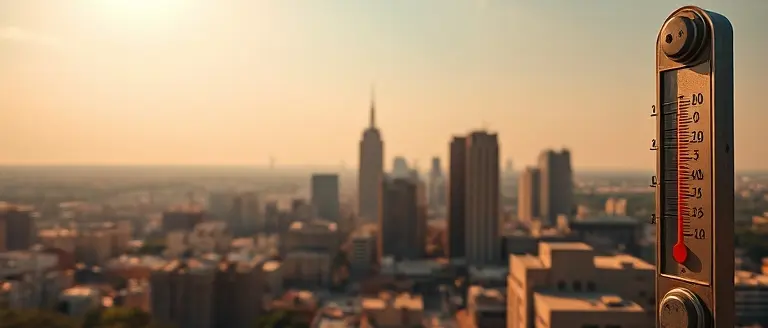
The meteorological landscape for late June 2026 is defined by a rare, synchronized atmospheric phenomenon. As Central and Eastern Europe grapple with a historic, record-shattering heat wave that has paralyzed public infrastructure and emergency services, the United States is bracing for a parallel, high-impact thermal event. Starting the weekend of June 27-28, a powerful blocking High, or “heat dome,” is expected to settle over the Central US, the Midwest, the Great Lakes, and the Ohio Valley. Unlike transient summer spikes, this system is forecasted to be long-lasting, raising significant concerns for regions that are not traditionally accustomed to sustained temperatures reaching the low 100s Fahrenheit.
Meteorological Drivers and Regional Impact
The intensity of this incoming heat wave is attributed to atmospheric stagnation. A high-pressure system is essentially anchoring itself over the heart of the country, acting as a lid that traps warm air and prevents the movement of cooler systems. For residents in the Midwest and Ohio Valley, this represents a shift in summer norms. Meteorological data suggests that the duration of this event—rather than just the peak temperatures—is the primary driver of risk. The implications are multifaceted:
- Grid Strain: Utility providers anticipate record-breaking demand as cooling systems operate near-continuously to combat the stagnant heat.
- Infrastructure Sensitivity: Non-climatically hardened urban environments face risks of buckling roads and thermal expansion issues in transit networks.
- Event Safety: With the ongoing 2026 FIFA World Cup, host cities are under intense pressure to maintain safe conditions for athletes and spectators, necessitating strict hydration protocols and heat mitigation strategies.
While the situation mirrors the severe infrastructure strain currently seen in Europe, the focus for the United States remains on proactive, hyper-local preparation. By understanding the stationary nature of this heat dome, communities can better anticipate the necessary safety measures, including identifying designated cooling centers and monitoring vulnerable populations during this extended period of extreme heat.
Regional Preparation: Protecting Your Home and Infrastructure
As the Midwest and Ohio Valley face an unprecedented heat wave with temperatures pushing into the low 100s, homeowners must address the specific vulnerabilities of regional housing stock. Many homes in these areas were built to retain heat for harsh winters rather than dissipate it during extreme summer spikes. To mitigate the strain on aging infrastructure and ensure indoor safety, residents should transition to a “proactive cooling” strategy. Begin by inspecting your HVAC system immediately; a clogged filter forces your unit to run continuously, increasing the risk of mechanical failure or a localized power grid overload. If your home lacks central air conditioning, prioritize the installation of window units in key living spaces and utilize box fans to create cross-ventilation during cooler night hours, trapping that air inside by closing windows and blinds during the heat of the day.
Strategic Energy Management and Infrastructure Resilience
Power grid stability is a primary concern when millions of residents simultaneously crank their cooling systems. To prevent brownouts and reduce the likelihood of a total system failure, follow these actionable efficiency tips:
- Pre-cool your home: Lower your thermostat during the early morning hours (before 9:00 AM) to take advantage of cooler ambient temperatures, then nudge it up by 3–5 degrees during peak afternoon hours (2:00 PM – 7:00 PM).
- Audit major appliances: Avoid running high-heat appliances such as clothes dryers, dishwashers, and ovens during the hottest part of the day, as these add significant thermal load to your home’s interior.
- Seal the envelope: Use blackout curtains or reflective window film to block direct solar gain, which is a major contributor to indoor temperature spikes in Midwest homes not equipped with modern high-performance glazing.
- Manage electrical loads: If the grid experiences instability, prioritize “life-safety” power usage—keeping medications refrigerated and maintaining core cooling zones—while powering down non-essential electronics to reduce total draw.
By acknowledging that this heat wave creates a unique stressor on our specific regional electrical grid, you can act as a steward of your home’s efficiency. Maintaining these practices not only protects your personal hardware from burnout but also contributes to the collective reliability of local utilities during this critical summer event.
Staying Safe at the 2026 FIFA World Cup

As the 2026 FIFA World Cup coincides with a widespread heat wave impacting the Central and Midwest United States, spectators must prioritize heat safety to avoid medical emergencies in crowded stadium environments. The combination of high-density seating, limited airflow, and intense solar radiation creates a high-risk scenario for heat-related illnesses. Because large-scale venues can trap ambient heat, attendees should arrive prepared to manage their physiological response to the elevated temperatures.
Proactive Hydration and Cooling Strategies
Preparation is your first line of defense against the current heat dome conditions. Beyond carrying water, spectators should follow these specific protocols to maintain physical stability during matches:
- Pre-Hydration: Begin drinking electrolyte-balanced fluids 24 hours before arriving at the stadium. Do not wait until you feel thirsty, as this is an early indicator of dehydration.
- Utilize Cooling Zones: Familiarize yourself with the venue layout. Host cities have implemented designated cooling zones equipped with misting stations and shade structures. If you experience dizziness or rapid heartbeat, exit the seating area immediately to reach these climate-controlled spaces.
- Recognize Early Symptoms: Be vigilant for signs of heat exhaustion, which include heavy sweating, cold or clammy skin, nausea, and fainting. If a companion stops sweating or becomes confused, this may indicate heat stroke—a life-threatening emergency requiring immediate medical intervention from on-site stadium personnel.
- Transit Planning: Transit hubs and long walks to stadiums pose significant risks. Plan your arrival during cooler morning hours, wear loose-fitting, light-colored clothing, and utilize high-SPF sunscreen to minimize thermal absorption from direct sunlight.
Athletes are also under heightened scrutiny as sports medicine professionals adjust training schedules to account for the extreme heat. By maintaining rigorous hydration protocols and utilizing cooling vests during downtime, organizers aim to mitigate the physical strain caused by the record-breaking temperatures affecting the region. Stay informed via local NWS alerts throughout the event to ensure a safe, enjoyable experience.
Actionable Heat Safety: Recognizing Symptoms and Emergency Steps
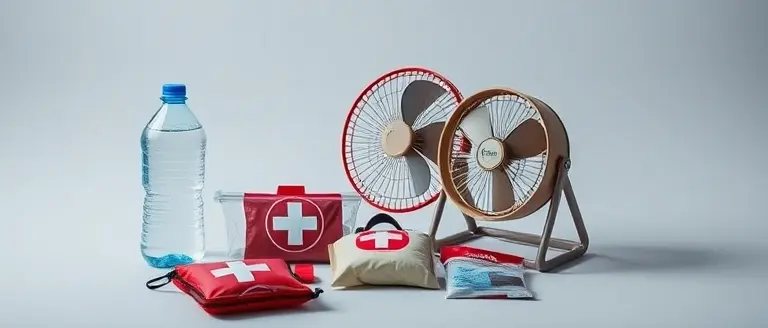
As the heat wave intensifies across the Midwest and Ohio Valley, understanding the physiological warning signs of heat-related illness is critical for survival. High temperatures, particularly in regions unaccustomed to prolonged triple-digit readings, can lead to rapid health degradation. You must be able to distinguish between heat exhaustion and the life-threatening condition of heat stroke. Heat exhaustion presents with heavy sweating, rapid pulse, dizziness, fatigue, and muscle cramps. If you or a family member experience these, move to a cooler environment, sip water, and apply cool, wet cloths. Conversely, heat stroke is a medical emergency characterized by a body temperature above 103°F, red or dry skin (lack of sweating), confusion, loss of consciousness, and a rapid, strong pulse. In the event of suspected heat stroke, call 911 immediately and perform active cooling measures while waiting for emergency responders.
Preparedness and Emergency Response
In neighborhoods where aging infrastructure may face power grid strain during this 2026 event, individual preparedness is your first line of defense. Follow these steps to ensure community resilience:
- Monitor NWS Alerts: Keep a NOAA Weather Radio or a reliable news app active to receive immediate NWS warnings regarding heat indices.
- Check on Vulnerable Neighbors: The elderly and those with pre-existing conditions are at the highest risk. Visit neighbors daily, ensuring they have access to functional air conditioning or a “cooling center.”
- Infrastructure Failure: If your local grid fails and cooling is unavailable, utilize basement levels or lower floors where temperatures remain lower. Avoid electric stoves and direct sunlight.
- World Cup Safety: For those attending outdoor events, utilize shaded zones, consume electrolyte-rich fluids rather than just plain water, and recognize that high humidity significantly hinders your body’s natural cooling process.
By adopting a proactive stance—staying hydrated before you feel thirsty and limiting physical exertion during peak hours from 12:00 PM to 6:00 PM—you significantly reduce the risk of becoming a heat-related casualty. Keep a list of your local municipality’s non-emergency line handy, as city-run cooling centers are often activated during extreme heat domes to manage community demand.
Staying Sharp in the Face of Extreme Summer Heat
As this historic heat wave takes hold, your primary defense must be a holistic strategy that balances external safety—like hydration and climate control—with internal metabolic support. While staying cool is the immediate priority, the hidden danger of extended high temperatures is the significant toll it takes on your physiological systems, leading to energy crashes, irritability, and the all-too-common “brain fog” that can cloud your judgment during critical moments.
This is where managing your metabolic response becomes a secret weapon. When extreme heat threatens to drain your vitality and disrupt your cognitive focus, Sugar Defender acts as a necessary physical buffer. By supporting steady energy levels, it helps your body maintain its “cool” under pressure, ensuring that you don’t succumb to the physical and mental exhaustion that makes heat waves so difficult to endure. Incorporating this into your daily routine is the proactive step needed to maintain clarity and stability throughout these challenging summer weeks.
Don’t let the heat dictate your ability to perform or enjoy the season. Equip yourself with the internal support needed to stay resilient, sharp, and energized, no matter how high the thermometer climbs.
 Support your internal cooling and energy systems—click here to secure your bottle of Sugar Defender and stay sharp through the heat wave.Protect My Energy Now!