
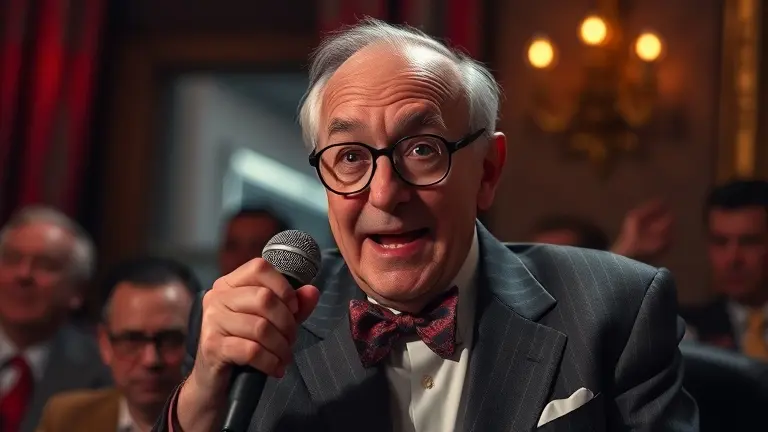
June 28, 2026, marks a historic milestone in the world of entertainment: Mel Brooks has officially turned 100. As the world pauses to celebrate the man who defined American satire with classics like The Producers and Blazing Saddles, we are confronted with more than just a legendary filmography. We are looking at a living, breathing miracle of cognitive endurance. To reach the age of 100 while maintaining the sharp, irreverent wit that made him a cultural icon is a feat that commands our attention, prompting fans and researchers alike to ask: what is the secret to a century of sustained creative brilliance?
While his legacy is firmly cemented in the archives of cinema history, Brooks’ centennial forces us to look forward. In an era where cultural sensitivity is high and modern life is increasingly fragmented, his ability to stay mentally present and sharp is the ultimate goal. This isn’t merely a retrospective of a comedic giant; it is an exploration of the science of staying sharp. By analyzing how he has maintained his cognitive vitality for a century, we can uncover actionable insights to support our own mental longevity in a fast-paced, modern world.
A Century of Laughter: Honoring Mel Brooks at 100
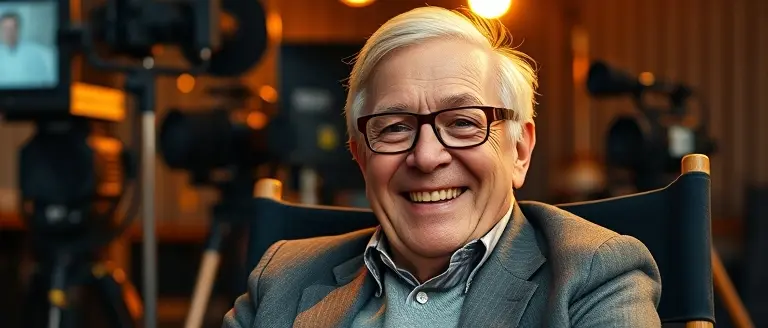
June 28, 2026, marks a historic milestone in the landscape of American entertainment: the 100th birthday of Mel Brooks. As a pioneer of modern comedy, Brooks has transcended his roles as a filmmaker and actor to become a cultural institution. His century-long journey mirrors the evolution of the 20th and 21st-century media landscape, beginning in the high-pressure, creative forge of the legendary writers’ room for Your Show of Shows. This foundational experience allowed him to hone a unique brand of rapid-fire, intellectual, and slapstick humor that would eventually define his cinematic masterpieces like The Producers, Blazing Saddles, and Young Frankenstein.
From Television Legend to EGOT Icon
The longevity of Mel Brooks is underscored by his rare status as an EGOT winner—a prestigious club of artists who have claimed an Emmy, Grammy, Oscar, and Tony. His ability to dominate across multiple mediums, from the Broadway stage to the silver screen, illustrates a masterclass in creative versatility. Throughout his career, Brooks navigated the transition from the golden age of live television to the bold, irreverent cinema of the 1970s and beyond, consistently pushing the boundaries of what was considered acceptable in mainstream satire.
Key aspects of his unparalleled legacy include:
- Satirical Fearlessness: Brooks mastered the art of mocking the powerful, most famously by humanizing and ridiculing the absurdity of tyranny in his work.
- Technical Mastery: Beyond the jokes, he was a technician of the visual gag, utilizing precise cinematic language in films like High Anxiety to parody the thrillers of Alfred Hitchcock.
- Enduring Relevance: Despite shifts in cultural sensitivity, his core comedic ethos—that humor is the ultimate weapon against prejudice—remains a cornerstone of American humor studies.
As we celebrate his 100th birthday, the legacy of Mel Brooks stands as a testament to the power of laughter. He remains one of the few figures whose influence on American comedy is not merely historical, but actively shaping the sensibilities of contemporary satire.
The Architecture of Absurdity: Brooks and the Legacy of Satire

Mel Brooks did not merely write comedy; he constructed a blueprint for modern satire that fundamentally altered how American cinema addresses societal trauma. His mastery lay in the “architecture of absurdity”—the ability to frame deep-seated cultural anxieties within a structure of manic, high-energy farce. By utilizing tropes from classic genres and injecting them with unapologetic irreverence, Brooks forced audiences to confront history through a lens of absurdity rather than solemnity. His work, particularly in masterpieces like The Producers and Blazing Saddles, mastered the art of “punching up,” ensuring that the targets of his wit were always the powerful, the bigoted, or the pretentious, rather than the oppressed.
Deconstructing Taboos with Precision
The genius of Mel Brooks as a filmmaker was his refusal to sanitize history. By mocking the figures who perpetrated or championed historical atrocities, he stripped them of their terrifying allure, rendering them ridiculous and, therefore, powerless. His approach to satire included:
- Weaponizing Farce: Using physical comedy and non-sequiturs to disarm the viewer before delivering a profound social critique.
- The Inversion of Evil: In The Producers, the comedic absurdity of a failed Broadway musical about Hitler serves as a subversion of fascism itself, suggesting that ridicule is a potent antidote to hate.
- Genre Deconstruction: Taking the conventions of Westerns or horror films and breaking them down to their core ingredients to reveal the underlying cultural biases.
This approach successfully bridged the gap between lowbrow slapstick and high-level social commentary. By making the audience laugh at the darkest aspects of the human experience, Brooks did not diminish their gravity; instead, he empowered viewers to navigate painful realities with a resilient, critical perspective. His legacy remains a cornerstone of American satire, serving as a testament to the idea that laughter is often the most effective tool for dismantling intolerance and challenging the status quo.
100 Years, 100 Jokes: The Anatomy of a Brooks Gag

The genius of Mel Brooks lies in his ability to treat comedy as a high-precision engineering project. At the heart of his “bit” is the relentless subversion of established cinematic language. Whether he is dismantling the gravity of the Western in Blazing Saddles or mocking the brooding aesthetics of Gothic cinema in Young Frankenstein, Brooks employs a technique of “structural incongruity.” He forces high-art tropes to collide with low-brow, slapstick absurdity. This isn’t merely about telling jokes; it is about exposing the artifice of film itself. By breaking the fourth wall—a signature move—Brooks invites the audience into the joke, effectively turning them into co-conspirators in his chaotic, meta-theatrical universe.
The Mechanics of Subversion
Brooksian humor thrives on a “layering” effect, where a scene begins with familiar archetypes only to have those foundations pulled out from under the viewer. His mastery of the visual gag is perhaps best observed in High Anxiety, where he pays homage to Hitchcock while simultaneously deflating the director’s signature tension through sheer silliness.
To understand why these bits remain timeless, consider these recurring structural elements:
- The Incongruous Detail: Introducing a modern, trivial, or absurd object into a period-accurate, high-stakes setting to shatter the illusion.
- Hyper-Referentiality: Piling dozens of genre-specific tropes into a single frame, making the satire so dense that it rewards multiple viewings.
- The Calculated ‘Breach’: Purposefully destroying the narrative flow—such as a dance number erupting in the middle of a serious shoot-out—to remind viewers that cinema is a medium meant to be played with.
These techniques have become the blueprint for modern satire. Contemporary creators often cite Brooks not just for his punchlines, but for his audacity to treat cinema as a playground. By refusing to respect the “sanctity” of any genre, Mel Brooks ensured that his work would never age, as the genres he satirized—and the instinct to mock them—remain permanent fixtures of the American cultural landscape. His ability to distill complex human anxieties into a singular, perfectly timed gag is the ultimate testament to his century-long mastery of the craft.
The Enduring Punchline: How Brooks Influenced Modern Comedy

The comedic DNA of Mel Brooks is woven into the fabric of contemporary American satire, serving as the blueprint for generations of filmmakers and digital creators. By masterfully blending high-concept absurdity with a fearless approach to taboo subjects, Brooks taught modern satirists that the most effective way to dismantle power structures is through relentless, character-driven parody. As he celebrates his 100th birthday, it is evident that his “Brooksian” template—defined by a “punching up” philosophy—remains the gold standard for navigating complex political and social discourse in an increasingly polarized digital landscape.
From Cinema to Digital Satire
The influence of Brooks extends far beyond the silver screen, finding a second life in modern sketch comedy and viral internet content. Contemporary creators utilize his technique of “visual gag mastery,” where complex narrative themes are boiled down to singular, iconic moments of physical comedy or absurd dialogue. This transition to short-form digital media highlights why his voice feels so vital to younger demographics who gravitate toward irony and rapid-fire observational humor.
Key elements of his lasting legacy include:
- Subverting Authority: Like in The Producers, modern satire continues to use farce to expose institutional hypocrisy.
- Structural Pacing: Brooks’ commitment to “joke density”—the rapid succession of comedic beats—remains the primary metric for successful modern sketch shows.
- The Fearless Pivot: His ability to handle sensitive topics by highlighting the inherent stupidity of bigotry serves as a roadmap for current social commentators.
Ultimately, the reason Mel Brooks remains relevant is his profound understanding that laughter is the ultimate equalizer. By refusing to soften his approach to satire, he created a legacy that empowers current comedians to address the tensions of today with the same irreverent, intellectual, and hilarious precision that defined his own century-long career.
The Timeless Art of Sharper Thinking
As we celebrate Mel Brooks at 100, we aren’t just honoring a century of laughter; we are witnessing the ultimate masterclass in cognitive resilience. His ability to remain quick-witted, creative, and culturally relevant for ten decades is a testament to the fact that the human brain can remain vibrant long past the expectations of aging. While Brooks’ genius may be one-of-a-kind, the secret to his sustained mental dexterity lies in the continuous, active engagement of the mind.
Many fans wonder if such remarkable endurance is purely a matter of genetics or a result of consistent, intentional habits. Modern neuroscience suggests that we can indeed foster our own cognitive longevity through targeted stimulation. Just as Brooks sharpened his wit through decades of writing and performing, we now have access to sophisticated, science-backed tools designed to clear brain fog and elevate mental clarity in our daily lives.
If you want to support your own cognitive focus and achieve the kind of sustained sharpness that defines a legendary life, there is no better time to start than today. By integrating neuro-acoustic support into your routine, you can bridge the gap between where your mental clarity is now and where you want it to be. Take the step to protect your cognitive potential and enjoy the sharpness you deserve.
 Experience the same mental clarity that fuels legendary wit—try the 12-minute daily audio routine to boost your cognitive focus today.Transform My Life Today