
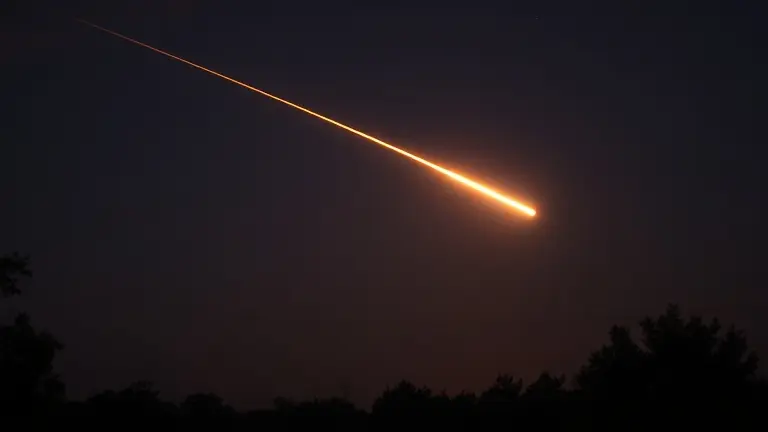
On the quiet morning of Sunday, June 28, 2026, the sky over southeast Louisiana suddenly transformed into a brilliant canvas of light. Shortly after 5:00 AM, a massive fireball—a meteor of exceptional luminosity—streaked across the atmosphere, leaving residents captivated and, for many, deeply unsettled by the unexpected spectacle. Captured vividly on home security systems, dashcams, and mobile devices, the event quickly became the talk of social media, with reports pouring in not just of a blinding flash, but of startling, thunderous auditory booms that shook homes across the region.
If you witnessed the event, you are certainly not alone. This article aims to cut through the fragmented reports and social media speculation to provide a verified look at what actually occurred in our skies. By exploring the science behind atmospheric fireballs and the sonic phenomena that accompany them, we can turn this rare astronomical event into an opportunity for learning—while also addressing the vital importance of maintaining our own sensory clarity when faced with the unexpected.
Bright Fireball Lights Up Southeast Louisiana Morning Sky
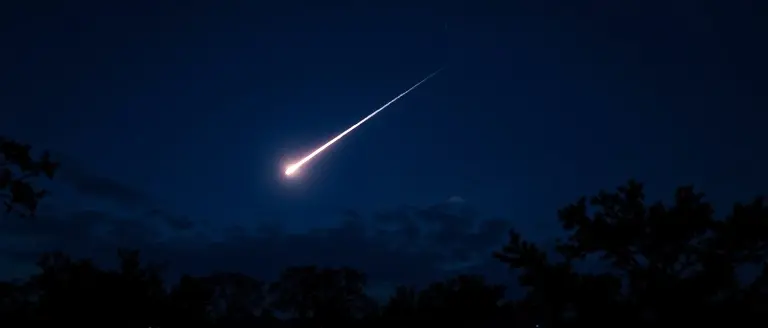
Early on the morning of Sunday, June 28, 2026, residents across southeast Louisiana were startled by a brilliant, celestial display as a bright meteor streaked across the dawn sky. Shortly after 5:00 AM local time, the atmosphere was briefly illuminated by an intense flash of light, an event quickly classified by astronomical observers as a fireball. Unlike a typical shooting star, a fireball is characterized by its exceptional luminosity, often appearing brighter than the planet Venus as it interacts with the Earth’s upper atmosphere. The event turned the early morning twilight into a vivid, temporary day, drawing immediate attention from early risers and those still awake across the region.
A Widespread Communal Experience
The arrival of the Louisiana meteor fireball triggered an immediate surge in activity across social media platforms, including X and Facebook. Within minutes of the sighting, the digital landscape was flooded with footage captured by doorbell cameras, dashboard-mounted recorders, and high-definition home security systems. This collective documentation provided essential, real-time data, allowing meteorologists—such as Steve Caparotta of WAFB—to begin the process of aggregating witness reports. The sudden influx of shared media helped validate the experience for thousands of residents who were initially unsure if they had witnessed a localized occurrence or a regional atmospheric anomaly.
Key observations reported by eyewitnesses during the event include:
- Intense Luminosity: A brilliant, rapid flash that illuminated the landscape for several seconds.
- Auditory Phenomena: Some observers reported hearing audible “booms” or low-frequency rumbles, characteristic of a bolide—a fireball that fragments or explodes upon atmospheric entry.
- Widespread Range: Sightings were confirmed across multiple parishes, suggesting a significant trajectory that spanned a large portion of the southeast US sky.
This incident serves as a powerful reminder of the frequency of astronomical events and the importance of modern technology in capturing the mechanics of our solar system in real time. For those who witnessed the phenomenon, the event was more than just a fleeting flash; it was a rare, shared moment of connection with the cosmos that highlighted the power of citizen science in tracking space debris as it enters our atmosphere.
Compilations of the June 28 Meteor Sightings
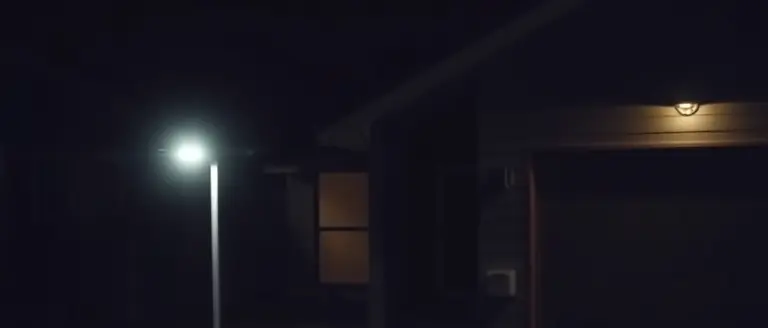
The early morning hours of Sunday, June 28, 2026, provided residents across southeast Louisiana with a rare and startling celestial display. Following the initial reports of a brilliant flash just after 5:00 AM, a wealth of digital evidence has surfaced, confirming that the Louisiana meteor fireball was a widespread event visible across multiple parishes. By aggregating high-definition footage from home security systems and vehicle dashcams, we can synthesize a clearer picture of the trajectory and intensity of this astronomical event. These recordings serve as vital data points, validating the collective experience of residents who witnessed the sudden illumination of the predawn sky.
Analyzing Verified Witness Footage
The most compelling visuals of the meteor fireball have emerged from doorbell cameras and residential security feeds, which provide a fixed perspective on the atmospheric entry. Several key characteristics are consistent across the verified clips:
- Luminosity: The object maintained an intense, white-to-blue glow, characteristic of a high-velocity meteoroid burning up upon entering the Earth’s atmosphere.
- Fragmentation: Many dashcam recordings captured the object breaking into smaller pieces, which is typical for larger bolides that encounter extreme air resistance.
- Auditory Phenomena: Residents in closer proximity to the meteor’s path reported distinct “booms” or rumbling sounds. These are identified as sonic booms, occurring when the object travels faster than the speed of sound and creates a shockwave before it likely disintegrates in the upper atmosphere.
Meteorologists and local experts are currently cross-referencing these timestamped videos to determine the precise path of the bolide. Because the footage is geographically diverse—stretching from suburban neighborhoods to open roadways—it provides a crucial dataset for atmospheric scientists. If you captured the event, your contribution to the American Meteor Society (AMS) database is highly encouraged. Submitting your footage helps professionals analyze the trajectory, estimate the size of the original space rock, and determine if any fragments may have survived the heat of reentry to reach the ground.
Why Did You Hear a Boom? The Science of Sonic Booms
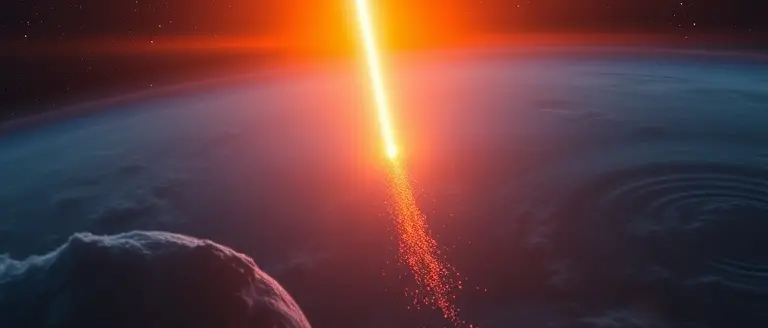
Many residents across southeast Louisiana reported hearing distinct auditory booms following the Louisiana meteor fireball sighting on June 28, 2026. While the visual spectacle of a bright, streaking light is common for large meteors, the accompanying sound often causes confusion. Scientifically, these noises are explained by the physics of supersonic atmospheric entry. When a meteoroid—a small rocky or metallic body from space—enters Earth’s atmosphere at hypervelocity speeds, it creates a massive pressure wave that travels faster than the speed of sound. As this object compresses the air in front of it, it generates a shockwave similar to those produced by supersonic aircraft.
Understanding Atmospheric Dynamics
The sound heard by witnesses is essentially a sonic boom caused by the sudden displacement of air. As the object decelerates rapidly due to atmospheric friction, the kinetic energy is converted into intense heat and light, resulting in the fireball observed by cameras. The “boom” or rumbling sensation occurs when the shockwave finally reaches the ground level. Key factors influencing whether an observer hears this sound include:
- Altitude of Fragmentation: If the meteoroid breaks apart at a lower altitude, the shockwave remains more concentrated, leading to a louder, more jarring sound for those directly beneath the trajectory.
- Atmospheric Conditions: Temperature inversions and wind patterns can carry or amplify these sounds across long distances.
- Distance from the Path: Because sound travels much slower than light, there is a significant time delay between seeing the flash and hearing the boom, which can last several minutes depending on how far the observer is from the entry point.
It is critical to note that these phenomena are entirely astronomical. The sound is a natural byproduct of a space object interacting with the dense layers of our atmosphere. By focusing on the scientific reality of these atmospheric events, experts confirm that the reports of auditory disturbances are consistent with standard fireball behavior rather than man-made activity or surface-level impacts. For those interested in tracking such events, official documentation through the American Meteor Society remains the most reliable way to verify the trajectory and physical characteristics of these spectacular cosmic visitors.
How to Report Your Sighting to the American Meteor Society
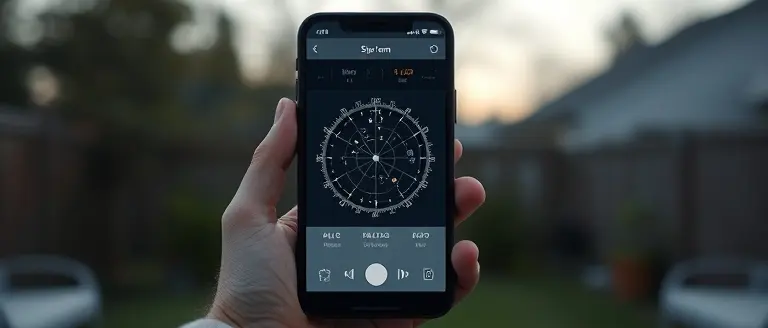
If you witnessed the Louisiana meteor fireball on the morning of June 28, your observation serves as a valuable data point for the scientific community. The American Meteor Society (AMS) maintains a comprehensive database of atmospheric events, which relies heavily on citizen scientists to reconstruct the trajectory, velocity, and composition of space debris entering Earth’s atmosphere. By formally documenting your encounter, you assist astronomers in determining whether the object disintegrated completely or if any fragments might have reached the ground as meteorites.
Why Your Data Matters
When you submit a report, you are not just sharing an anecdote; you are providing coordinates that help triangulate the fireball’s path. Even if you did not capture video footage, your perspective—specifically the estimated duration, color, and fragmentation pattern—is critical. Meteorologists and amateur astronomers use this crowdsourced data to differentiate between routine fireballs and larger bolides that create the audible booms reported across the region.
To ensure your report is as helpful as possible, keep these tips in mind when navigating the AMS submission portal:
- Pinpoint the Location: Use GPS coordinates or a clear map reference for where you were standing when the event occurred.
- Log the Exact Time: Even a difference of a few seconds helps synchronize your report with others, allowing for precise temporal mapping.
- Describe the Visuals: Note the brightness (relative to the moon or sun), the color, and whether you witnessed the meteor break apart.
- Report Auditory Details: If you heard a sonic boom, record the time delay between the visual flash and the sound, as this provides clues about the meteor’s altitude.
You can contribute your findings directly by visiting the American Meteor Society Reporting Page. Participating in this process transforms a brief moment of curiosity into a legitimate contribution to the study of Near-Earth Objects. Whether you have professional camera footage or simply a clear memory of the sky lighting up, your input is the key to mapping this astronomical event accurately.
Stay Sharp When the Unexpected Strikes
The recent meteor fireball serves as a powerful reminder of how dynamic and unpredictable our environment can be. Whether it is a celestial event or the daily hum of modern life, the world around us is constantly producing sensory stimuli that demand our attention. Just as we analyze the science behind those sudden atmospheric booms to better understand our surroundings, we must also prioritize the health and sharpness of the very tools we use to experience them: our ears and our cognitive focus.
Maintaining peak auditory health is essential for navigating life with clarity, especially when sudden environmental events trigger alarm or mental fatigue. This is where Audifort becomes an indispensable ally. By supporting your auditory well-being and promoting cognitive sharpness, Audifort ensures that you remain attentive and fully present, even amidst the noise and stress of an unpredictable world. Don’t let auditory fatigue cloud your perception; take a proactive step toward long-term sensory resilience today.
 Protect your sensory clarity and stay sharp—discover how Audifort supports your auditory health here.Yes, I Want to Protect My Hearing Now!