
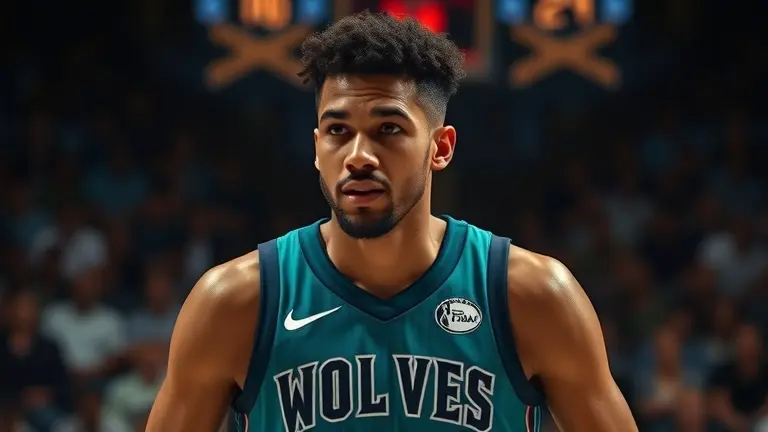
The June 2026 NBA landscape has been completely upended by a seismic trade that sees franchise cornerstone LaMelo Ball, alongside defensive utility piece Josh Green, heading to the Minnesota Timberwolves. In a move that signals a total tactical reset for Charlotte, the Hornets have acquired beloved sixth-man extraordinaire Naz Reid and significant future draft capital, headlined by an unprotected 2033 first-round pick. This blockbuster deal doesn’t just shuffle rosters; it fundamentally rewrites the Western Conference championship window.
At the center of this storm lies the ultimate question: Can the duo of LaMelo Ball and Anthony Edwards coexist, or is this a collision of two ball-dominant superstars? While Timberwolves fans grapple with the emotional reality of saying goodbye to a fan favorite in Naz Reid, front-office pragmatism has pushed them all-in on offensive firepower. As we dissect this trade, we must look beyond the noise to understand how this high-octane backcourt will define the Timberwolves’ future and whether the Hornets can survive the post-LaMelo vacuum.
Blockbuster Trade: LaMelo Ball Heads to Minnesota in Major Shakeup
In a move that has sent shockwaves across the NBA, the June 2026 landscape has been permanently altered by a high-stakes deal between the Charlotte Hornets and the Minnesota Timberwolves. The lamelo ball trade marks the end of an era in Charlotte, as the franchise pivots toward a total rebuild. Alongside LaMelo Ball, the Timberwolves have acquired the versatile Josh Green, bolstering their wing depth. In exchange, Minnesota has parted ways with their beloved Sixth Man of the Year candidate, Naz Reid, while also surrendering significant draft capital, including a highly valuable 2033 unprotected first-round pick.
Shifting Strategic Horizons
This transaction signals two distinct directions for the involved franchises:
- Minnesota Timberwolves: By pairing Ball with Anthony Edwards, the front office is clearly prioritizing star power and playmaking versatility to contend for a Western Conference title. The dynamic between Edwards’ scoring gravity and Ball’s elite vision is expected to create the most feared backcourt in the league.
- Charlotte Hornets: This deal functions as a complete roster reset. By accumulating future assets like the 2033 first-rounder and bringing in a proven culture-setter in Naz Reid, Charlotte is signaling to the fanbase that they are committed to a long-term, foundational rebuild rather than superficial retooling.
The departure of Reid is particularly heavy for the Minnesota faithful, who viewed him as the heart of their second unit. However, the pragmatic reality of the timberwolves front office remains focused on maximizing the prime years of Anthony Edwards. By securing a franchise-level playmaker like Ball, Minnesota has officially signaled that they are no longer content with being competitive—they are gunning for a championship. The coming season will serve as the ultimate test for whether this aggressive gambit can balance chemistry and ego on a roster now flush with high-end talent.
The Edwards-Ball Backcourt: Tactical Synergy or Defensive Risk?
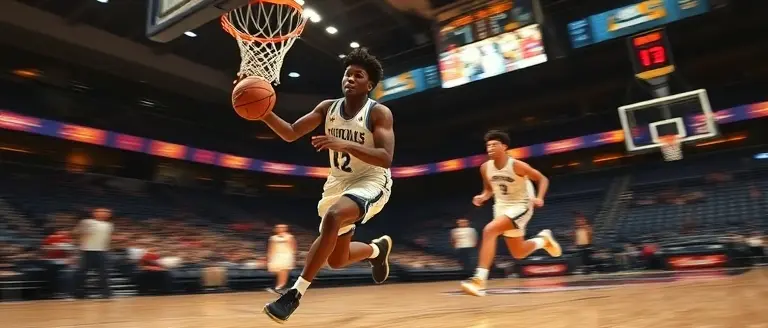
The arrival of LaMelo Ball in Minneapolis fundamentally alters the offensive ceiling for the Minnesota Timberwolves. By pairing Ball—a high-usage, elite-level playmaker—with Anthony Edwards, Minnesota has secured one of the most dynamic backcourts in the NBA. Statistically, Ball brings a creative flair and pick-and-roll vision that elevates the transition game. With an assist-to-turnover ratio that consistently ranks above league averages, Ball provides a stabilizing force that allows Edwards to operate more frequently as an off-ball slasher and secondary creator. This shift is designed to reduce the physical toll on Edwards, potentially maximizing his efficiency in high-leverage late-game situations where perimeter spacing becomes paramount.
Balancing Elite Offense with Defensive Integrity
While the offensive potential is undeniable, the LaMelo Ball trade introduces significant tactical questions regarding the team’s defensive identity. Minnesota built its recent Western Conference success on a foundation of elite perimeter defense and interior rim protection.
- Defensive Shift: Integrating Ball necessitates a more disciplined team-defensive scheme to cover for potential lapses in individual on-ball containment.
- Perimeter Spacing: The presence of Josh Green alongside Ball adds a necessary 3-and-D component, which helps mitigate the defensive burden created by the starting backcourt.
- Playmaking Efficiency: Both stars excel in transition, but their ability to harmonize in a half-court set will determine if the Timberwolves can maintain their status as championship contenders.
The primary concern for coaching staff remains the defensive drop-off following the departure of Naz Reid. While Reid provided unique versatility and floor spacing for a big man, the acquisition of Ball forces a total reconfiguration of the roster’s defensive rotations. If Ball and Edwards can commit to the defensive pressure sets favored by the Timberwolves, this duo could redefine the archetype of a modern NBA backcourt; however, failing to maintain defensive cohesion could render this high-profile gamble a tactical liability against more balanced Western Conference opponents.
The Naz Reid Departure: Assessing the Emotional and Structural Impact
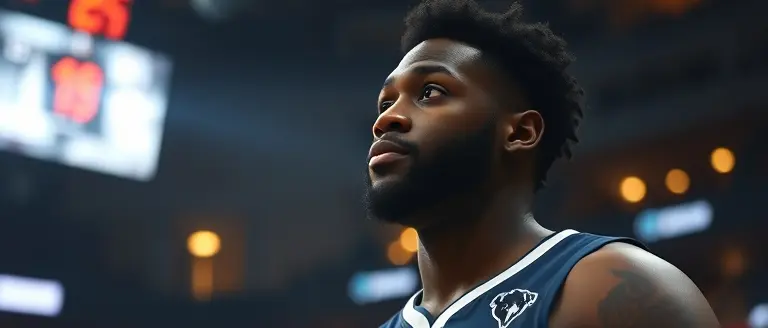
The departure of Naz Reid from the Timberwolves carries a weight that transcends typical roster moves. For Minnesota fans, Reid was more than just a bench contributor; he was a cult hero whose growth from an undrafted prospect to a key contributor became a central pillar of the team’s identity. While the arrival of LaMelo Ball provides the superstar firepower needed for a deep playoff run, the trade leaves a tangible void in the rotation that cannot be ignored. The Timberwolves lose a unique “Swiss Army knife” player capable of stretching the floor as a big man while providing critical rebounding and secondary rim protection.
Structural Adjustments for the Timberwolves
Losing Reid fundamentally alters the bench’s rhythm and versatility. The team must now adjust its rotation to account for:
- Floor Spacing: Reid’s ability to draw opposing centers out to the perimeter opened driving lanes for Anthony Edwards; replacing that gravity will be a significant tactical challenge.
- Bench Efficiency: As a former Sixth Man of the Year candidate, Reid provided consistent production that stabilized the Timberwolves during non-starter minutes.
- Frontcourt Depth: Without his flexibility, the coaching staff will need to experiment with new lineup combinations to maintain defensive intensity.
Conversely, for the Charlotte Hornets, acquiring Reid represents a major coup for their ongoing rebuild. As the Hornets transition away from the LaMelo Ball era, Reid provides a versatile, established veteran who can anchor the frontcourt and serve as a stabilizing locker room presence. His ability to operate as both a post scorer and a pick-and-pop threat gives Charlotte a valuable cornerstone around which they can develop their younger assets. While the Hornets fans are currently debating the merits of this massive reset, securing a player of Reid’s caliber and character suggests a clear, deliberate path toward reshaping the franchise’s long-term identity. The move essentially swaps short-term star power in Minnesota for long-term structural viability in Charlotte.
Winners, Losers, and the Shifting Western Conference Hierarchy

The LaMelo Ball trade has undeniably altered the landscape of the Western Conference, signaling a “championship or bust” mentality for the Minnesota Timberwolves. By acquiring a dynamic playmaker like Ball, Minnesota is betting heavily that the offensive synergy between him and Anthony Edwards will create an unstoppable backcourt. This aggressive move forces the rest of the West to account for two high-usage, elite creators who can manipulate defensive schemes on every possession. While the Timberwolves emerge as clear short-term winners in raw talent acquisition, the loss of Naz Reid—the glue guy and fan favorite—creates a void in frontcourt versatility that could prove costly during a deep playoff run.
Strategic Implications for Both Franchises
The transaction represents a fundamental divergence in organizational philosophy, creating distinct winners and losers based on long-term goals:
- Minnesota Timberwolves (The Aggressors): The team has sacrificed depth for star power. By pairing LaMelo Ball with Josh Green, the Timberwolves are prioritizing transition speed and perimeter shooting. The championship window is now wide open for the 2026-2027 season, provided the coaching staff can integrate two ball-dominant stars effectively.
- Charlotte Hornets (The Rebuilders): Charlotte is clearly moving toward a total reset. By securing a 2033 first-round pick and the steady, proven production of Naz Reid, the Hornets are prioritizing draft capital and long-term salary cap flexibility. While losing a franchise-altering talent is painful, the return allows them to build a roster from the ground up that fits a modern, gritty identity.
Ultimately, this trade shifts the Western Conference hierarchy by increasing the total offensive ceiling in Minneapolis. However, the true test will be whether the Timberwolves’ defensive identity remains intact without the rotation reliability that Naz Reid provided. For Charlotte, the success of this trade hinges entirely on their ability to translate these draft assets into high-value contributors over the next several seasons.
A New Era Demands Sharper Insights
The landscape of the Western Conference has been permanently altered. While the Timberwolves gamble on the explosive synergy of LaMelo Ball and Anthony Edwards, the Hornets face the grueling reality of a bottom-up rebuild. For fans and analysts, tracking how this high-usage backcourt shares the rock—and how Minnesota manages the massive emotional void left by the departure of Naz Reid—will be the defining narrative of the 2026-2027 season.
Just as the Timberwolves are recalibrating their court vision to handle this high-speed, high-stakes backcourt, you need your own mental clarity to process these complex roster adjustments and their long-term impact on the league. Navigating the data, tactical shifts, and shifting power dynamics of the NBA requires a level of cognitive endurance that most fans simply aren’t equipped for.
This is where The Brain Song becomes your ultimate competitive advantage. By leveraging auditory neuroscience to optimize your focus, it serves as the perfect mental gear shift for any analyst attempting to deconstruct the Wolves’ new rotation. It is the only tool designed to help you stay ahead of the curve, ensuring your cognitive processing speed keeps pace with the rapid-fire changes of the league. Sharpen your game-day focus and master the technical details of the 2026 season with the 12-minute daily routine that pros use for peak cognitive performance.
 Sharpen your game-day focus and master the technical details of the 2026 season with the 12-minute daily routine that pros use for peak cognitive performance.Unlock My Peak Cognitive Performance Now!