
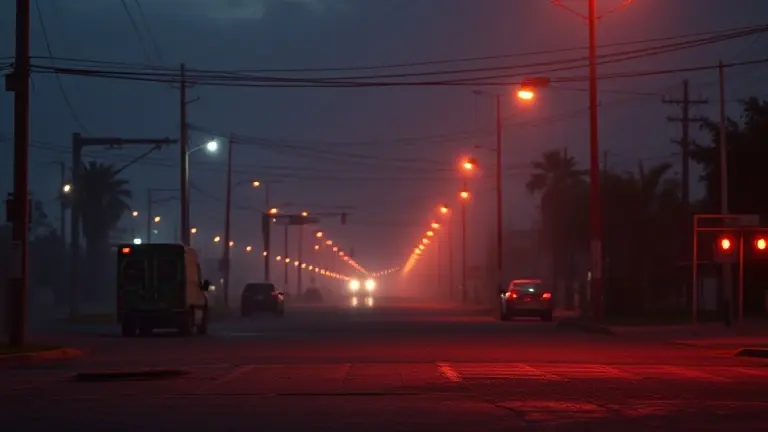
June 2026 has ushered in a period of unprecedented thermal stress. From the ongoing, record-breaking heatwaves currently devastating parts of Europe to the active heat advisories blanketing the US Mid-South, citizens across the globe are facing a stark reality of climate instability. As millions gather in host cities for the high-intensity atmosphere of the 2026 FIFA World Cup, the intersection of record-high temperatures and large-scale public events creates a critical need for advanced safety protocols that go far beyond standard indoor-stay recommendations.
The threat is not merely a matter of comfort; it is a physiological challenge that requires a refined approach to public health. Whether you are navigating the sun-drenched stands of a stadium or enduring a high-temperature commute, understanding how to maintain internal homeostasis is essential to preventing heat-related exhaustion. In this guide, we break down the latest NWS alerts and provide actionable, resilience-focused strategies to help you remain safe, alert, and proactive while the world hits its boiling point.
,slug:
Understanding the June 2026 Heat Crisis: From the US Mid-South to Global Records
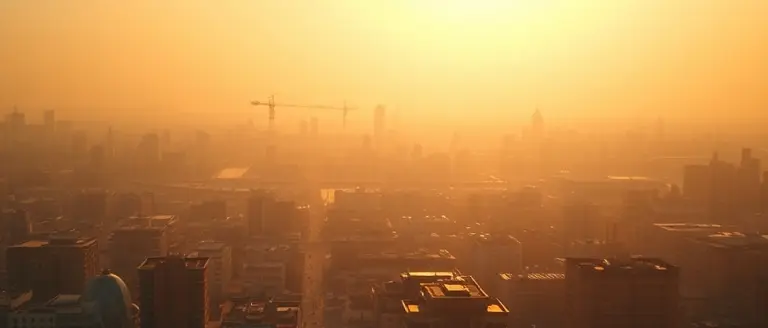
The meteorological landscape of late June 2026 has been defined by a sharp rise in heat advisory notifications, signaling a period of significant atmospheric stress. In the United States, the National Weather Service (NWS) has issued urgent alerts across the Mid-South, where extreme heat watches are currently in effect. This localized crisis is coinciding with the peak of the 2026 FIFA World Cup, forcing fans and event organizers to balance the excitement of knockout rounds with the realities of hazardous outdoor conditions. These advisories are not merely routine warnings; they represent a critical threshold where high humidity and temperatures create an elevated risk for heat-related illnesses among spectators and city residents alike.
Bridging Regional Alerts and Global Climate Trends
Simultaneously, a broader pattern of climate instability is unfolding on a global scale. While residents in the US Mid-South navigate local alerts, international reports from organizations like the Met Office and Reuters confirm that Europe is currently enduring a historic, deadly heatwave. With reports of over 1,000 excess deaths linked to extreme temperatures, this event underscores the severity of the ongoing environmental shifts. The convergence of these two phenomena—regional US warnings and European record-breaking heat—highlights several key factors of our current climate trajectory:
- Heightened Vulnerability: Large-scale public gatherings, such as World Cup fan zones, face unique challenges when temperatures consistently exceed safe operating thresholds.
- Infrastructure Stress: Power grids and public transport networks are experiencing unprecedented strain as both the US and Europe attempt to manage the cooling demands of millions of people.
- Data-Driven Preparedness: NOAA CPC monitoring of subsurface temperature anomalies suggests that these heat patterns are becoming more persistent, necessitating a shift from reactive reporting to proactive, long-term heat resilience strategies.
Understanding a heat advisory today requires moving beyond simple temperature readings. It demands an appreciation for how interconnected our regional weather systems have become, placing the burden of safety on individual preparedness and informed community responses. As we continue through this summer, prioritizing hydration, cooling breaks, and monitoring official NWS updates remains the most effective defense against the growing trend of global extreme heat.
Staying Safe During the 2026 FIFA World Cup: A Fan’s Guide to Heat Resilience

As the 2026 FIFA World Cup knockout rounds coincide with intense heat advisory warnings across the US Mid-South, fans must prioritize personal safety alongside match-day excitement. High-heat environments, particularly in crowded fan zones or outdoor stadiums, significantly increase the risk of heat-related illnesses. Whether you are an international traveler or a local attendee, your body requires time to acclimatize to regional humidity and temperature spikes. To minimize health risks, proactively manage your environment and physical exertion levels.
Practical Strategies for Fan Safety
- Strategic Hydration: Do not wait until you feel thirsty to drink water. Consume electrolyte-rich fluids at regular intervals to replace salts lost through perspiration. Limit alcohol and caffeine, as these accelerate dehydration in high-temperature conditions.
- Optimize Your Schedule: If possible, avoid direct sun exposure during peak hours, typically between 10:00 AM and 4:00 PM. Utilize shaded fan zones or indoor air-conditioned viewing areas during the heat of the day.
- Recognize Early Warning Signs: Heat exhaustion often presents with heavy sweating, rapid pulse, dizziness, and nausea. If these symptoms occur, move to a cool location, apply cold compresses, and seek immediate medical assistance from onsite event personnel.
- Dress for the Climate: Wear lightweight, light-colored, and breathable fabrics. Protect your skin and eyes with high-SPF sunscreen, a wide-brimmed hat, and polarized sunglasses to reduce overall thermal load.
International travelers should be particularly cautious; heat-acclimatization usually takes several days, meaning your body may not be fully adjusted to the specific climate patterns of your host city. Monitor the National Weather Service (weather.gov) frequently for updated alerts. By planning your day around these thermal limitations, you can enjoy the tournament while maintaining a proactive stance on your personal health and heat resilience.
Recognizing the Signs: Heat Exhaustion vs. Heat Stroke

As active heat advisories persist across the Mid-South, it is critical for outdoor spectators and event attendees to distinguish between heat exhaustion and the more dangerous heat stroke. Both conditions result from prolonged exposure to high temperatures and dehydration, yet they require vastly different levels of medical intervention. Understanding these physiological markers can be the difference between a manageable recovery and a life-threatening medical emergency.
Identifying Heat Exhaustion
Heat exhaustion is the body’s response to an excessive loss of water and salt, typically through sweat. Common symptoms include:
- Heavy sweating and cold, clammy skin.
- A rapid, weak pulse.
- Dizziness, fainting, or intense fatigue.
- Nausea, vomiting, or muscle cramps.
If you suspect heat exhaustion, immediately move to a cooler, shaded area, loosen tight clothing, and sip cool water. If symptoms do not improve within an hour, or if vomiting prevents fluid intake, seek professional medical care promptly to prevent progression into a more severe state.
Recognizing Heat Stroke: A Medical Emergency
Heat stroke is the most severe form of heat-related illness and occurs when the body’s temperature regulation system fails, causing internal temperatures to spike above 103°F (39.4°C). Unlike exhaustion, this is a critical medical emergency. Warning signs include:
- High body temperature with hot, red, dry, or damp skin.
- Confusion, slurred speech, or loss of consciousness.
- A rapid, strong pulse.
- Absence of sweating despite high ambient temperatures.
If these symptoms appear during a heat advisory, do not wait. Call 911 immediately. While waiting for emergency responders, move the individual to a cooler area and lower their body temperature with cool cloths or ice packs. Never give fluids to someone who is unconscious or showing signs of altered mental status, as this poses a significant choking risk. Prioritizing these interventions is essential for ensuring safety while enjoying summer festivities.
Building Community Resilience Against Rising Temperatures
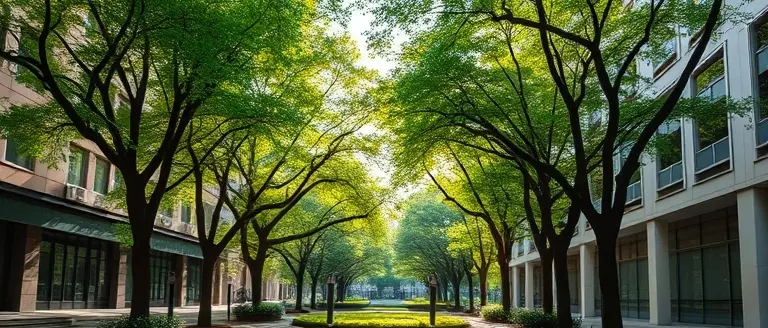
As June 2026 brings an unprecedented convergence of regional heat advisory alerts and global climate instability, the necessity for systemic adaptation has moved beyond individual precaution. Local governments across the United States are increasingly tasked with mitigating the urban heat island effect—a phenomenon where dense concentrations of pavement, buildings, and lack of green space trap thermal energy, elevating local temperatures significantly above rural surroundings. Building long-term resilience requires a multi-pronged approach that transitions from reactive emergency alerts to proactive infrastructure investment. Urban planners are now prioritizing “cool surfaces,” such as reflective roofing and pavement treatments, which can lower surface temperatures by several degrees, alongside the aggressive expansion of urban tree canopies to provide natural shade and evapotranspiration benefits.
Strengthening Infrastructure and Advocacy
Beyond physical design, community resilience hinges on the accessibility of social infrastructure. The deployment of cooling centers during extreme weather events remains a critical public health strategy, yet many municipalities face gaps in awareness and equitable access for vulnerable populations. Citizens play a vital role in this evolution by advocating for sustainable cooling policies that protect residents long before the next high-heat event occurs. Strengthening community ties and institutional frameworks helps ensure that when the National Weather Service issues a formal heat advisory, the infrastructure is already in place to support public safety.
Key strategies for fostering long-term climate resilience include:
- Green Infrastructure Implementation: Prioritizing the integration of parks, bioswales, and rooftop gardens to reduce heat absorption in high-density zones.
- Smart Cooling Networks: Expanding access to municipal cooling centers with extended hours, ensuring high-risk demographics like the elderly and those without home air conditioning have reliable refuge.
- Public Policy Advocacy: Engaging in local city council initiatives that mandate sustainable urban planning and prioritize energy-efficient, resilient building codes.
- Community Preparedness Programs: Developing neighborhood-level “buddy systems” that check on isolated residents during heatwaves, reinforcing the social fabric essential for surviving extreme environmental patterns.
By shifting the focus from sporadic, crisis-based responses to consistent, data-driven urban design, cities can better safeguard their populations against the rising frequency of extreme temperature fluctuations.
Building Biological Resilience Against The Heat
As we navigate this period of climate instability, staying informed about regional heat advisories is only the first step toward true safety. Understanding the physiological toll that extreme temperatures take on your body is equally vital. While external cooling methods and hydration are non-negotiable, the internal metabolic strain caused by relentless heat can leave you feeling drained, lethargic, and mentally foggy, even when you think you have done everything right.
This is where proactive metabolic support becomes a game-changer for outdoor event attendees and active commuters alike. While hydration is your first line of defense against the current heat advisories, your metabolic stability is what will actually keep you feeling energized and alert during long hours in the sun. Sugar Defender acts as an internal stabilization tool, helping your body maintain steady energy levels and focus, effectively bridging the gap between passive safety warnings and active biological preparedness.
By preventing the mid-day energy crashes and irritability often exacerbated by heat stress, you can maintain your endurance whether you are cheering at a FIFA World Cup fan zone or navigating a sweltering city commute. Empower yourself to face these challenging conditions with enhanced resilience by integrating smart nutritional support into your daily heat safety protocol.
 Support your body’s resilience against the heat—try Sugar Defender to maintain stable energy levels and focus throughout your outdoor activities.Yes, I Want To Stay Energized Today!