

The 2026 FIFA World Cup has reached a fever pitch as the group stage draws to a dramatic close. With the expanded 32-team knockout stage now looming, the race to secure a spot in the bracket has never been more intense—or more confusing. Fans are scrambling to decipher the complex qualification scenarios for their favorite nations, from established powerhouses like Argentina and Brazil to the tournament hosts, the USA and Mexico. The addition of new advancement rules, particularly regarding how third-place teams filter into the Round of 32, has left many casual viewers searching for clarity amidst a sea of shifting live data.
Navigating the nuances of Group J and the implications of every match result requires more than just checking a static table; it requires a deep understanding of the path to the final. As the tournament shifts into the high-stakes, single-elimination phase, staying ahead of the curve is the difference between a thrilling experience and feeling completely overwhelmed by the constant flow of statistics. Whether you are tracking the favorites or calculating the underdog’s long shot at glory, mastering the bracket logic is essential for every true fan.
Understanding the 2026 World Cup Standings and Tournament Format
The 2026 FIFA World Cup has introduced a massive shift in scale, moving to a 48-team format that fundamentally alters how we track fifa world cup 2026 standings. With teams now split into 12 groups, the margin for error during the group stage has tightened significantly. As the tournament enters its final days, the primary objective for national teams is to secure one of the top two spots in their respective groups or rank among the top eight third-place finishers to guarantee a path into the knockout stage world cup. Unlike previous editions, the introduction of the round of 32 world cup bracket means that the transition from group play to single-elimination is more crowded and complex, forcing fans to keep a close eye on goal differentials and head-to-head records.
Understanding the qualification logic is vital for casual and dedicated fans alike, especially when analyzing specific groups like group j world cup 2026. Because the best third-place teams also advance, standings remain fluid until the final whistle of the last match in each group. The round of 32 bracket structure functions as the gateway to glory, but navigating it requires surviving the final group stage volatility. Fans should note the following keys to the expanded format:
- Group Stage Thresholds: The top two teams from every group advance automatically, followed by the eight best third-place finishers based on points, goal difference, and goals scored.
- Knockout Progression: Once a team reaches the round of 32, the tournament shifts to a high-pressure, single-elimination format where every match determines the survival of the squad.
- Timing Considerations: For those wondering how long are world cup games, expect the standard 90 minutes of regulation play plus stoppage time, though knockout matches require extra time and potentially penalty shootouts to break deadlocks.
As we approach the culmination of the group stage, the pressure on players is unprecedented. Teams currently on the “bubble” must win their remaining fixtures to avoid an early exit, making the live standings more relevant than ever for anticipating the final tournament bracket.
Group-by-Group ‘What-If’ Scenarios: Who Needs a Win?

As the group stage reaches its frantic conclusion, the fifa world cup 2026 standings are shifting with every match whistle. With the expanded 48-team format, the path to the knockout stage world cup is more complex than ever, particularly due to the inclusion of the eight best third-placed teams in the round of 32 world cup bracket. Casual fans and analysts alike are tracking these scenarios closely to determine which heavyweights will secure their path to the next phase and which will face an early exit.
Critical Scenarios for Favorites and Hosts
The pressure is immense for traditional powerhouses and tournament hosts. To understand the current landscape, look at these tactical requirements:
- Argentina: Currently holding a narrow lead, they must secure at least a draw in their final fixture to guarantee top-of-the-group status. A loss could see them fall into a precarious position, relying on goal difference to stay ahead of challengers.
- Brazil: Having faced unexpected defensive struggles, Brazil must win their final match to avoid a risky “third-place” classification, which could force a difficult draw against a higher-seeded opponent in the round of 32.
- USA and Mexico: As tournament hosts, both nations find themselves in high-stakes positions. For the USA, a win ensures they avoid the unpredictable third-place qualification math. Mexico must similarly focus on offensive output; their goal difference remains a critical tiebreaker factor if they fail to secure all three points.
- Group J Watch: Group J world cup 2026 is arguably the most competitive bracket remaining. Because of the parity in this group, every goal scored or conceded counts significantly toward the rankings used to determine the top third-placed teams.
Remember that how long are world cup games—standard 90-minute regulation plus stoppage time—remains the constant, but the urgency for teams to push for late goals is higher than ever. With so much on the line, the final round of matches will define the momentum heading into the highly anticipated knockout rounds.
Navigating the New Round of 32 Bracket Logic
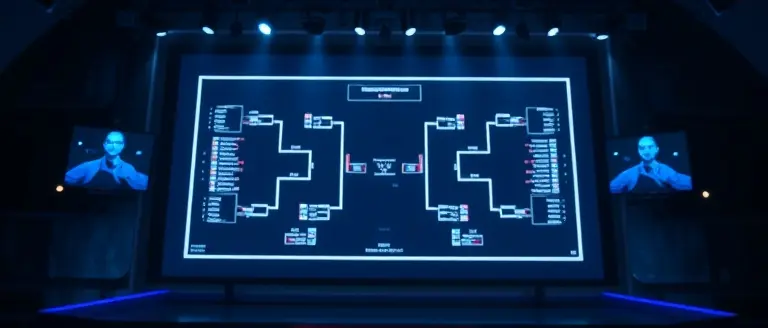
The expansion of the 2026 tournament format has fundamentally shifted how teams progress from the group stage to the knockout stage. With the introduction of the round of 32 world cup bracket, the path to the final is now more competitive, particularly for nations battling for those coveted “best third-place” slots. Understanding your team’s progression requires looking beyond simple win-loss records; it involves tracking points, goal differential, and the specific pairing logic defined by FIFA for this expanded field. While casual fans often track the fifa world cup 2026 standings for their home nation, the transition to the single-elimination phase introduces complex variables that determine who faces who in the coming days.
Decoding the Third-Place Advancement Rules
The most frequent point of confusion for fans lies in how teams finish third in their respective pools—such as those currently navigating the high-stakes environment of Group J world cup 2026—and how they eventually slot into the round of 32. FIFA uses a rigorous set of criteria to rank the top third-place finishers across all groups:
- Total Points: The primary metric for qualification.
- Goal Difference: Used as the first tie-breaker if teams are level on points.
- Goals Scored: Further distinguishes teams with identical goal differences.
- Fair Play Points: A final disciplinary tally based on yellow and red cards.
Once the top third-place teams are identified, they are slotted into pre-determined spots in the bracket to face the winners of various groups. This prevents teams from knowing their exact opponent until the final matches of the group stage conclude. As fans analyze the round of 32 world cup bracket, remember that the seeding is designed to reward group winners by pairing them against lower-ranked or third-place squads, though this “path-of-least-resistance” often leads to massive upsets as underdog teams fight to stay alive. Always keep in mind that how long are world cup games remains a standard 90 minutes plus stoppage time, but in the knockout phase, the pressure is amplified by the looming threat of extra time and potential penalty shootouts if the score remains level.
Tracking the Hosts: USA and Mexico’s Path to the Final

As the tournament reaches its critical group-stage conclusion, the fifa world cup 2026 standings for host nations USA and Mexico have become the focal point for home fans. Both teams are navigating the pressures of playing in front of record-breaking crowds, with their performance determining their seed in the expanded knockout stage world cup bracket. For the United States, securing a top-two finish remains the priority to avoid the mathematical uncertainty of the “best third-place” advancement rules, which currently complicate the path for several teams on the bubble.
Strategic Outlook and Bracket Implications
The round of 32 world cup bracket structure presents a distinct challenge for the hosts. By finishing first in their respective groups, both the USA and Mexico could potentially avoid top-tier juggernauts like Argentina or Brazil until the later quarter-final stages. However, failing to win their groups would force them into a more demanding path, increasing the probability of facing an elite contender during the very first round of the single-elimination phase. Fans monitoring the world cup round of 32 bracket should pay close attention to:
- Goal Differential: With points often tied between second and third-place teams, every goal matters for maintaining a favorable standing.
- Home-Field Advantage: The physical and mental recovery time is compressed; knowing how long are world cup games—including the possibility of high-intensity extra time—makes squad rotation vital for the hosts.
- The Path Forward: If the USA or Mexico advance, their specific opponents will be dictated by the crossover logic of the knockout stage world cup, where group winners are matched against lower-seeded qualifiers.
Evidence suggests that the hosts’ ability to leverage home-crowd energy will be the deciding factor as they transition from group play to the intensity of the round of 32. Successfully topping their groups would not only provide a more favorable matchup but also ensure that their route to the final avoids the most congested portions of the bracket, providing a necessary strategic cushion for their championship aspirations.
Stay Sharp for the Knockout Intensity
As we transition from the fast-paced group stage to the do-or-die environment of the Round of 32, the cognitive demand on fans to track every scenario, player substitution, and bracket shift is immense. The mental fatigue that accompanies hours of analyzing complex data can quickly turn a passion for the sport into a drain on your energy. You need to keep your focus as sharp as the tactical plays on the pitch to truly appreciate the drama unfolding in every match.
This is where ‘The Brain Song’ becomes your ultimate tournament companion. Much like how players need to maintain peak mental conditioning to survive the high-pressure knockout stage, fans require a cognitive boost to effectively process the data-heavy reality of the 2026 World Cup. By integrating this mental optimization tool into your daily routine, you can clear the ‘brain fog’ caused by excessive screen time and complex bracket logic, allowing you to stay laser-focused on every critical moment as the tournament reaches its climactic final.
Don’t let mental exhaustion prevent you from enjoying the most historical tournament in history. It is time to sharpen your analytical edge and engage with the game at the highest possible level.  Refresh your focus for the knockout stages and experience the 12-minute daily routine that keeps top sports analysts alert. Yes, I Want to Sharpen My Focus Now!