

An extreme heat watch is currently in effect across the region, signaling a dangerous period where temperatures are expected to soar toward 110°F. Unlike the temporary excitement surrounding the 2026 FIFA World Cup, this meteorological alert demands your immediate, serious attention to prevent heat-related illness. It is vital to distinguish between a ‘Watch’—which indicates that conditions are favorable for a heat event—and a ‘Warning,’ which means extreme heat is imminent or already occurring. Misinterpreting these alerts can lead to unnecessary risk, as the body faces immense physiological strain during prolonged exposure to such severe environmental conditions.
As heat stress mounts, your body works overtime to regulate its internal temperature, often leading to rapid fatigue, irritability, and dangerous dehydration. This guide is designed to cut through the noise, providing you with actionable safety protocols to protect your home and health. While you monitor the weather reports for your specific locality, you must also consider how to bolster your metabolic resilience. Managing your internal health is just as critical as finding shade, ensuring you have the energy and clarity needed to navigate this climate emergency safely.
Understanding the Extreme Heat Watch: Meteorological vs. Sports Search Traffic

In late June 2026, the U.S. digital landscape is experiencing a significant collision of search intent. While millions of fans are actively searching for “how to watch” their favorite teams in the 2026 FIFA World Cup, a far more critical meteorological event is unfolding across the country. An official Extreme Heat Watch, issued by the National Weather Service (NWS), indicates that dangerous heat index values—often reaching or exceeding 113°F—are forecasted within the next 48 hours. This article is strictly dedicated to providing life-saving meteorological guidance and public safety protocols, helping you distinguish between high-stakes athletic competition and genuine, life-threatening weather emergencies.
Distinguishing Alerts from Entertainment
The linguistic overlap between a sports “watch party” and a life-safety “Extreme Heat Watch” has created unnecessary confusion in search results. It is vital to understand that when the NWS issues an Extreme Heat Watch, they are notifying the public of a significant, imminent threat to health. Unlike a sports broadcast that prioritizes entertainment, an NWS alert is a formal notification that:
- Conditions are favorable for the development of hazardous, record-breaking heat.
- Preparation time is limited to the next 48 hours before the situation likely escalates to a full Heat Warning.
- Vulnerable populations, including the elderly, children, and those with underlying health conditions, are at extreme risk of heat stress and heat-related illnesses.
While the excitement of the 2026 World Cup is a major cultural event, treating an Extreme Heat Watch with the urgency it demands is non-negotiable. If you are residing in a region currently under a watch, please prioritize local weather updates over sports-related search results. Accurate information is your first line of defense; focus on official NWS channels to ensure you have the necessary data to protect your home, your health, and your community during this intense period of hazardous heat.
What Does an Extreme Heat Watch Mean for Your Safety?
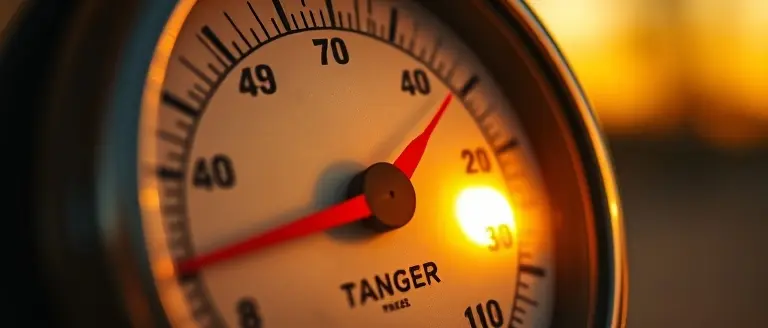
When the National Weather Service (NWS) issues an Extreme Heat Watch, it signifies that hazardous meteorological conditions are possible within the next 24 to 48 hours. This designation is not merely a suggestion to stay indoors; it is a critical meteorological alert indicating that the heat index—a measurement combining air temperature and relative humidity—could reach or exceed 113°F. In the context of the current June 2026 heat wave, where actual air temperatures are climbing toward 105-110°F in many regions, the human body loses its ability to cool itself through perspiration, significantly elevating the risk of heat exhaustion and life-threatening heat stroke.
Watch vs. Warning: Understanding the Urgency
It is vital to distinguish between an Extreme Heat Watch and an Excessive Heat Warning to ensure you take the appropriate level of action. Public confusion often leads to delayed safety measures, which can be dangerous during rapid atmospheric shifts.
- Extreme Heat Watch: Conditions are favorable for extreme heat. This is your window to prepare. Review your hydration strategy, ensure your cooling systems are functional, and check on vulnerable neighbors.
- Excessive Heat Warning: This is an immediate threat. These are issued when extreme heat is currently occurring or is imminent. At this stage, the risk to life is high, and you must adopt strict heat-avoidance behaviors, such as remaining in air-conditioned environments and avoiding strenuous outdoor activity entirely.
During an Extreme Heat Watch, the environment is already reaching a threshold where the atmosphere creates a “hazardous heat stress” footprint. Even if the temperatures feel manageable for a few hours, the duration of the heat, combined with high humidity levels, places immense strain on cardiovascular health. Treat an Extreme Heat Watch as a formal directive to minimize physical exertion and prioritize climate-controlled environments before the situation escalates into an active, imminent emergency.
Actionable Safety Protocols: Protecting Yourself and Your Home

When an extreme heat watch is issued, the meteorological risk is significant, as heat index values may climb toward 113°F. Prioritizing physiological safety is essential to prevent heat-related illnesses. You must maintain a strict hydration schedule, drinking water consistently throughout the day rather than waiting for thirst. Limit strenuous outdoor activities to the early morning or late evening, and prioritize air-conditioned environments during the peak heat hours of 12 p.m. to 6 p.m.
Recognizing Symptoms of Heat Illness
Early identification of symptoms is critical. Heat exhaustion typically presents as heavy sweating, rapid pulse, dizziness, and muscle cramps. If symptoms escalate to heat stroke—characterized by a high body temperature, confusion, or loss of consciousness—seek emergency medical attention immediately.
- Elderly and Children: These groups are at the highest risk due to less efficient thermoregulation. Ensure they stay hydrated and remain in cool, shaded, or air-conditioned areas.
- Pets: Asphalt temperatures can exceed 150°F during a heat wave. If it is too hot for your hand to touch the pavement for seven seconds, it is too hot for your pet’s paws.
- Home Energy Management: Keep blinds and curtains closed during the day to prevent solar gain. Utilize fans effectively, but remember that fans do not lower ambient temperatures; they only provide a cooling sensation via evaporation. If you must use heavy appliances, schedule them for the early morning to reduce indoor heat load and strain on the power grid.
By preparing your living space and monitoring your physical health closely during this June 2026 climate event, you significantly reduce the risk of injury during this period of hazardous heat. Stay informed by monitoring local National Weather Service updates to transition from a “watch” status to appropriate, immediate action if the alert is upgraded to a warning.
Emergency Preparedness During High-Humidity Heat Waves

When the National Weather Service issues an Extreme Heat Watch, the primary objective is to prepare for the potential for dangerous, record-breaking temperatures—sometimes exceeding 110°F. As these conditions strain regional power grids due to massive air conditioning demand, residents must prioritize proactive emergency planning. To maintain household safety during these meteorological events, follow these critical preparedness steps:
Managing Power Grid Strains and Cooling Alternatives
High-humidity heat waves frequently lead to utility companies implementing rolling blackouts or requesting energy conservation. To prepare for potential power instability, consider the following strategies:
- Pre-Cool Your Home: Lower your thermostat during off-peak hours before the peak heat arrives, but avoid overworking the system.
- Backup Cooling: Keep battery-operated fans and cooling towels on hand. In the event of a power outage, these items can significantly mitigate the risk of heat stress.
- Reduce Heat Sources: Minimize the use of stoves, ovens, and large appliances, as these generate unnecessary ambient heat inside your living space.
- Energy Conservation: If requested by local authorities, raise your thermostat by a few degrees during peak usage hours (typically late afternoon) to help prevent grid failure.
Utilizing Community Resources and Monitoring Alerts
If your home cannot be kept at a safe temperature, it is essential to have an evacuation plan. Identify the nearest community cooling centers—often located in public libraries, senior centers, or local government buildings—and verify their hours of operation before an emergency occurs. Furthermore, stay vigilant by monitoring official meteorological data via the NWS website or a dedicated NOAA Weather Radio. Distinguish between an Extreme Heat Watch (a warning of potential risk) and a Heat Warning (an immediate, life-threatening event). By preparing early and staying informed, you can navigate these dangerous conditions with a clear strategy, ensuring your home remains a safe sanctuary until the temperatures subside.
Fortify Your Resilience Against the Heat
Navigating an extreme heat watch requires more than just staying indoors; it demands a comprehensive approach to both your environment and your internal well-being. By understanding the critical difference between a ‘watch’ and a ‘warning,’ and proactively implementing hydration and cooling protocols, you take control of your safety during these dangerous atmospheric conditions.
While you follow our essential safety protocols to keep your environment cool, it is equally important to support your body’s metabolic resilience against the physical drain of this heat wave. Environmental stressors can lead to metabolic fatigue and brain fog, making it harder to stay alert and composed.
Sugar Defender acts as a foundational tool for internal temperature regulation and metabolic endurance, helping you maintain consistent energy levels when the mercury hits triple digits. By stabilizing your system against heat-induced irritability and crashes, you ensure your body remains an ally, not a burden, during this emergency. Take the proactive step today to keep your internal systems steady, no matter how high the thermometer climbs.
 Prepare your body for the heat wave and maintain your energy today with Sugar Defender.Yes, I Want My Energy Support Now!