
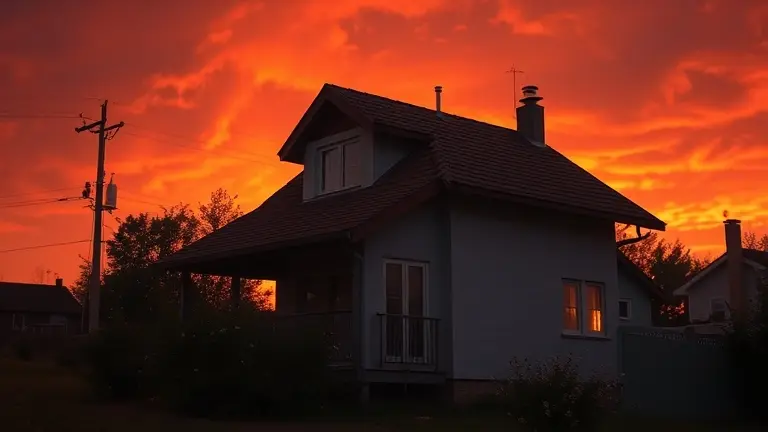
The summer of 2026 will be remembered not just for the heat, but for the unprecedented failure of the systems we rely on to keep us safe. Across Europe, the ‘Omega’ heatwave—a stationary, high-pressure ‘heat dome’—has pushed temperatures well beyond 40°C, shattering long-standing records and exposing the brittle nature of modern power grids and urban infrastructure. When the mercury climbs, standard government advisories are often too little, too late; the crisis demands a shift from passive observation to active, localized climate-resilient engineering.
This isn’t just a weather event; it’s a wake-up call for homeowners. As cities grapple with infrastructure strain, the focus must shift toward immediate, actionable strategies that turn residential spaces into cooler, safer environments. Understanding the mechanics of these heat waves is essential, but building the physical defenses to withstand them is the true measure of preparedness. In the following sections, we will move beyond the news headlines to examine how you can take tangible steps to fortify your home against the inevitable return of extreme heat.
The June 2026 Omega Heatwave: Anatomy of a Historic Climate Event
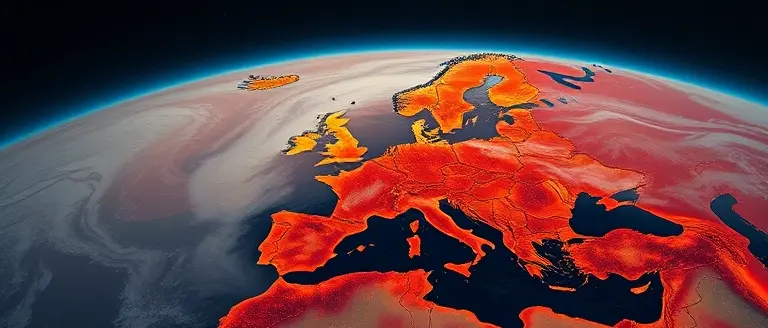
In late June 2026, a meteorological phenomenon known as an Omega heatwave—named for its resemblance to the Greek letter Ω—engulfed Europe, triggering an unprecedented extreme heat warning across the UK, France, and Germany. Unlike standard summer fluctuations, this stationary, high-pressure weather heat dome acted as a thermal lid, trapping sweltering air over the continent for days. By locking these systems into place, the atmosphere prevented the normal migration of cooler, oceanic air, leading to sustained temperatures that frequently shattered long-standing historical records. As the heat intensified, multiple nations were forced to issue their highest-level heat advisory alerts, marking only the second time in British history that such a “Red” warning was deemed necessary for public safety.
The atmospheric mechanics of this event were fueled by a “blocking” high-pressure ridge, which essentially paralyzed the jet stream. This allowed temperatures to climb past the 40°C (104°F) threshold, with some regions in Germany recording thermal peaks of 41.3°C. The consequences were immediate and catastrophic:
- Infrastructure Collapse: Power grids in France and beyond struggled to meet the surge in demand as cooling systems were pushed to their absolute limits.
- Health Crisis: The record-breaking heat triggered a rise in heat-related illnesses among vulnerable populations, particularly in urban areas prone to the “heat-island effect.”
- Systemic Strain: Public transport and infrastructure, designed for milder climates, faced structural damage and operational failures.
This event is increasingly viewed as a deadly climate anomaly, providing a stark look at how climate change is intensifying weather patterns. Experts emphasize that the stationary nature of this Omega block is a symptom of a warming planet, where such extreme events are moving from “rare” to “frequent.” As we analyze this period, it becomes clear that society must move beyond reactive measures to establish robust, climate-resilient infrastructure capable of withstanding the new thermal reality.
Infrastructure Under Stress: When Temperatures Break the Grid
The recent extreme heat warning events have revealed that our modern urban environments are increasingly ill-equipped to handle prolonged, record-breaking temperatures. When an Omega heatwave stalls over a region, the resulting thermal stress is not merely a meteorological concern; it is a systemic challenge for civil engineering. As temperatures soar past 40°C, the intersection of record-breaking heat and aging infrastructure creates a cascade of failures that threaten public safety and economic stability.
The Vulnerability of Power and Transit
Power grids are currently facing unprecedented strain as air conditioning demand spikes, frequently exceeding the capacity of local utility providers. In cities across Europe, this has led to localized power outages, which are particularly dangerous as they deactivate the very cooling systems residents rely on for survival. Beyond the grid, transit networks are buckling under the thermal load:
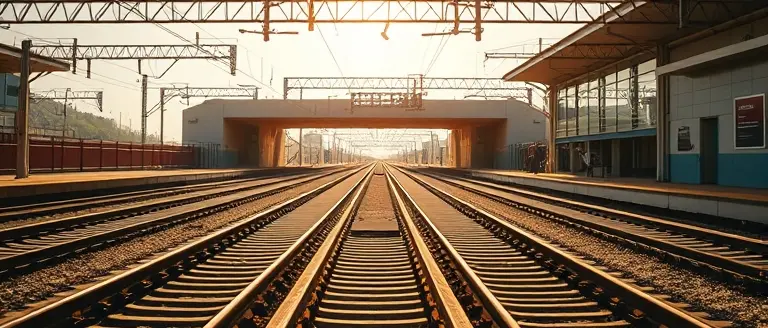
- Rail Infrastructure: Steel tracks, designed for moderate temperature ranges, are susceptible to thermal expansion, leading to “sun kinks” or track buckling that necessitates emergency speed restrictions or complete line closures.
- Residential Cooling Limits: Unlike regions accustomed to tropical climates, much of the European housing stock lacks centralized HVAC, forcing reliance on inefficient portable units that overwhelm electrical circuits.
- Urban Heat Island Effects: Dense concrete and asphalt landscapes absorb solar radiation, exacerbating the weather heat dome conditions and preventing temperatures from dropping significantly overnight, which denies the infrastructure and the population a “thermal reset.”
These failures underscore why an extreme heat advisory must be viewed as a signal for wide-reaching civil disruption. Because these heatwaves are becoming more frequent, engineering standards that were once considered the “gold standard” are now insufficient. Retrofitting infrastructure to improve heat resistance—through reflective materials, grid decentralization, and better urban planning—is no longer a long-term goal but an immediate necessity for climate resilience.
Understanding the ‘Omega’ Block: How Weather Patterns Are Changing

The meteorological phenomenon driving the recent, record-shattering extreme heat warning across Europe is known as an “Omega” block. Named for its resemblance to the Greek letter Omega (Ω) in upper-level atmospheric pressure maps, this pattern occurs when a high-pressure system becomes “stuck” between two low-pressure systems. This configuration effectively traps hot air underneath a stagnant dome, preventing the normal movement of weather systems that would otherwise provide cooling breezes or precipitation. As these high-pressure ridges stall, they compress the air, causing it to warm significantly through a process known as adiabatic heating, which can push temperatures well beyond seasonal averages.
Why Atmospheric “Stalling” is Becoming More Frequent
Scientific consensus suggests that climate change is fundamentally altering the jet stream—the high-altitude wind currents that steer weather across the globe. As the Arctic warms faster than the rest of the planet, the temperature gradient between the poles and the equator weakens. This loss of thermal contrast leads to a slower, more meandering jet stream, which is more prone to becoming “blocked.” When this happens, a heat dome can persist over a specific region for days or weeks, turning a typical summer day into a prolonged public health crisis.
Key factors contributing to the intensity of these events include:
- Persistent High Pressure: The “stuck” nature of the Omega block prevents the atmospheric circulation required to break the heat.
- Reduced Soil Moisture: Dry ground absorbs more solar radiation, further heating the air above it in a dangerous feedback loop.
- Infrastructure Stress: Unlike a brief heat event, a prolonged weather heat dome stresses power grids beyond their capacity, leading to the failures seen recently in France.
As these patterns become more common, the frequency of a heat advisory is shifting from a rare occurrence to a standard part of the summer climate. Understanding that these heatwaves are not merely isolated weather anomalies, but systemic shifts in atmospheric behavior, is essential for long-term urban planning and individual climate adaptation.
Building Resilience: Strategic Adaptation for a Warming World
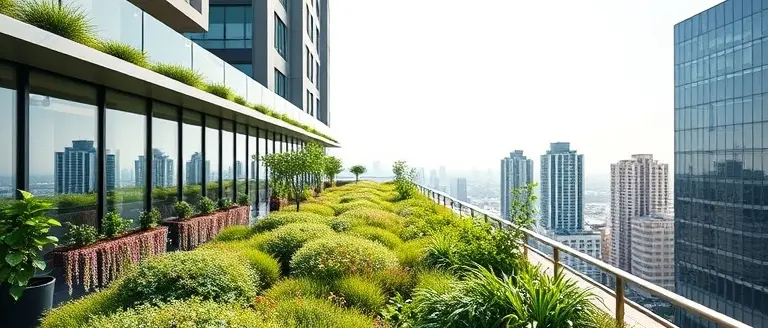
The record-shattering events of June 2026, characterized by the unprecedented Omega heatwave, have served as a harsh catalyst for rethinking urban design. As an extreme heat warning transitions from a rare emergency alert to a recurring seasonal reality, municipalities must pivot from reactive crisis management to proactive, long-term climate resilience. A truly resilient city must treat heat mitigation as a primary infrastructure objective rather than an auxiliary environmental goal. This shift requires integrating biophilic design with high-tech engineering to combat the urban heat-island effect, which disproportionately endangers vulnerable populations.
Core Strategies for Climate-Resilient Cities
To mitigate the risks associated with a persistent weather heat dome, urban planners are prioritizing three critical pillars of adaptation:
- Urban Canopy Expansion: Increasing tree density creates natural shading and evapotranspirative cooling, which can lower localized surface temperatures by several degrees compared to asphalt-heavy districts.
- Cool Roof and Pavement Technologies: Retrofitting buildings with reflective, high-albedo materials reduces thermal absorption, lowering internal temperatures and reducing the reliance on grid-straining HVAC systems.
- Grid Modularity and Decentralization: The infrastructure failures witnessed during this recent weather crisis highlight the fragility of centralized power. Transitioning to localized microgrids and decentralized renewable energy storage ensures that critical life-support systems remain functional during peak demand.
Beyond municipal policy, building long-term resilience requires a fundamental shift in how individuals interact with their environment. Public health initiatives must evolve to provide “actionable intelligence,” such as identifying cooling centers and incentivizing passive cooling retrofits for private residences. By combining systemic infrastructure upgrades with localized, community-based adaptive measures, we can build cities capable of weathering even the most severe thermal anomalies. As we analyze the data from this year’s heatwave, it is clear that preparation is the only sustainable strategy for a warming future.
Fortifying Your Sanctuary Against the Heat Dome
As the record-shattering temperatures of the 2026 heatwave subside, the reality has become clear: passive resilience is no longer an option. The ‘Omega’ heatwave has exposed the fragility of our modern infrastructure, from power grid vulnerabilities to urban heat islands that turn homes into ovens. While regional climate strategies are essential, the most effective defense remains the proactive fortification of your own living space.
You do not need to rely on over-burdened contractors to improve your home’s thermal performance. By taking control of your environment, you can implement custom-engineered solutions that provide genuine relief. Whether it is constructing advanced exterior shading structures, building ventilated cooling frames for windows, or creating insulated architectural modifications, your DIY efforts are now a vital component of long-term climate adaptation.
Ted’s Woodworking acts as your infrastructure accelerator, providing over 16,000 professional-grade blueprints that strip away the guesswork. By following these workshop-tested plans, you ensure your cooling structures are built with the precision required to withstand environmental stress, saving you time, money, and the frustration of trial-and-error. Your home is your first line of defense; it is time to build it to last.
 Start building your home’s heat-resilience today with professional, error-proof blueprints designed to turn your DIY project into a vital piece of climate-adaptation infrastructure.Secure My Plans and Build Resilience Today