
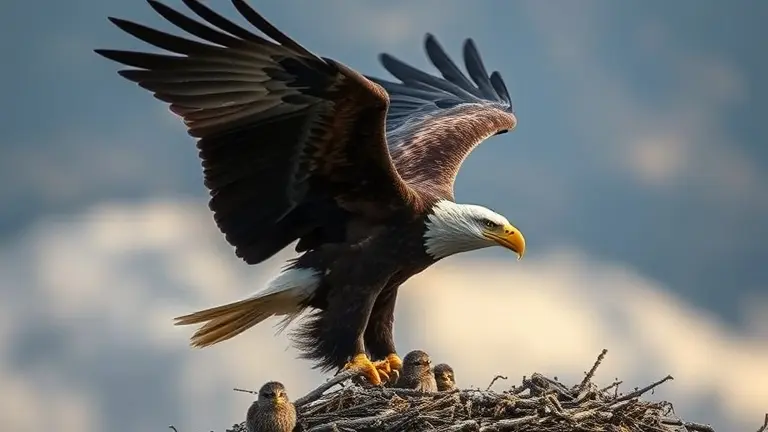
For the thousands of viewers glued to the Friends of Big Bear Valley 24/7 livestream, June 28, 2026, became a day of bated breath. As Jackie and Shadow’s eaglet, Sandy, attempted a daring first flight, an accidental, upside-down tumble from the nest sent a wave of anxiety through the community. While these moments are heart-wrenching to witness, they are a frequent and natural part of the precarious ‘fledging’ phase. Amidst the rising tensions regarding the upcoming Fourth of July fireworks in Big Bear Valley, it is crucial to balance our deep emotional connection to these birds with a scientific understanding of what normal, albeit dangerous, avian behavior truly looks like.
This is not just a story of survival; it is a masterclass in the resilience of nature. By separating myth from biological reality, we can better support the conservation of these magnificent creatures. As we navigate the complexities of protecting our local wildlife against human encroachment, we must remember that nature’s own engineering is as precise as it is unforgiving. Understanding these birds allows us to transition from passive, anxious observers into informed stewards who can better advocate for the safety and integrity of the habitats they call home.
The Big Bear Eagle Phenomenon: Jackie, Shadow, and the Sandy Incident
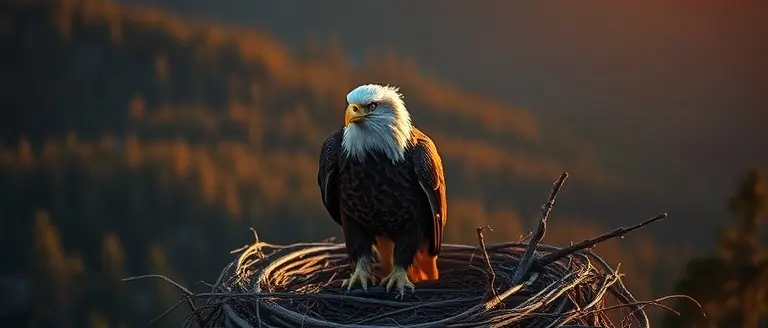
The Big Bear eagles—a pair famously known as Jackie and Shadow—have captivated a global audience through the 24/7 livestream provided by the Friends of Big Bear Valley. Since the hatch of their two big bear eaglets, Sandy and Luna, in early April 2026, the nest has become the focal point of intense public observation. On June 28, 2026, this digital community experienced a collective surge of anxiety when an accidental, upside-down tumble occurred involving Sandy. As the eaglet attempted to engage in critical fledging exercises, a miscalculated movement resulted in a fall from the nest, triggering widespread concern across social media platforms like X and TikTok.
Understanding the Fledging Process and Risks
While the visual of the “accidental fall” caused alarm among viewers, wildlife experts suggest that such incidents are often a natural, albeit harrowing, part of the transition from nestling to fledgling. The Big Bear valley eagles occupy a rugged environment where the nest sits high above the forest floor, making the learning curve for young birds particularly steep.
Key factors contributing to the current public interest include:
- Real-time Emotional Investment: The livestream format fosters a parasocial bond, leading many viewers to report high stress levels during developmental milestones.
- Fledging Mechanics: Young bald eagles frequently perform “wingers” and practice hops to build the pectoral strength required for sustained flight, which carries inherent risks of instability.
- Advocacy and Awareness: The incident has intensified local debates regarding human interference, specifically the safety concerns surrounding the city’s planned Fourth of July fireworks near the habitat.
As the scientific community monitors the situation, it is clear that the resilience of the big bear eaglets is being tested. The Friends of Big Bear Valley continue to serve as the primary authority, urging the public to observe the natural progression of these birds with patience, even as the community rallies to protect them during this sensitive period of their life cycle.
Understanding the Fledging Process: Nature’s Risky Lessons
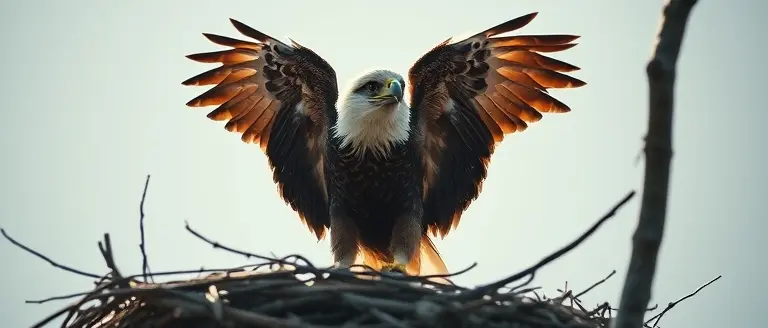
The recent viral footage of Sandy, one of the Big Bear Valley eagles, taking an unexpected tumble from the nest has understandably triggered a wave of concern among the global community of watchers. However, wildlife biologists categorize this event not as a tragedy, but as a standard, albeit perilous, stage of the fledging process. As young big bear eaglets reach this developmental milestone—typically occurring around 10 to 12 weeks post-hatch—their instinctual drive to strengthen their flight muscles often overrides their immediate spatial awareness.
The Biological Necessity of “Practice”
During the pre-fledging phase, eaglets engage in “branching,” where they move from the center of the nest to the perimeter, testing their wings against the wind. This erratic behavior serves several critical biological functions:
- Muscular Development: Intense wing-flapping exercises build the pectoral strength required for sustained flight.
- Spatial Calibration: Eaglets must learn the geometry of their nest and surrounding environment, which often involves clumsy landings and accidental slips.
- Risk Assessment: These minor tumbles are nature’s way of teaching the bird how to recover in mid-air, a skill vital for survival once they leave the safety of the nest for good.
While the emotional investment of those watching the Friends of Big Bear Valley livestream is palpable, it is important to view these events through a scientific lens. The “accidental tumble” is rarely an indication of injury or failure; rather, it is a high-stakes rehearsal for the realities of life in the wild. While public anxiety is a natural response to observing the vulnerability of these iconic big bear eagles, these lessons are essential for the survival of the species, ensuring the eaglets gain the coordination necessary to master their environment.
Balancing Tradition and Wildlife: The Fireworks Controversy
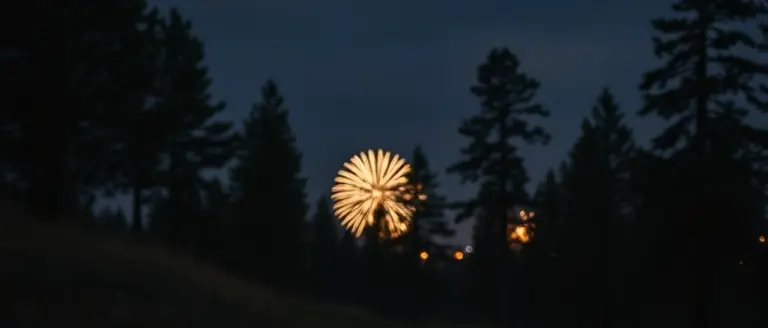
The upcoming Fourth of July celebrations in Big Bear Valley have sparked a heated debate, pitting long-standing community traditions against the urgent need for environmental stewardship. As the public watches the Big Bear eagles—Jackie, Shadow, and their two big bear eaglets, Sandy and Luna—the annual fireworks display has become a flashpoint for local tension. Advocates for wildlife argue that the timing of the display is particularly precarious, as the eaglets are currently navigating the fragile and high-stakes fledging phase.
The core of the controversy involves the impact of sudden, high-decibel noise and intense light pollution on developing raptors. Wildlife experts emphasize that for young birds, the first weeks outside the nest are critical for learning navigation and survival. Concerns regarding the display include:
- Disruption of Fledging: Sudden auditory shocks can cause premature flight attempts or panic-induced falls, similar to the “accidental tumble” recently observed with Sandy.
- Chronic Stress: Elevated cortisol levels from intense environmental stressors can suppress the immune systems of young eagles.
- Habitat Disturbance: Beyond the nest, the surrounding forest serves as a vital training ground that becomes compromised by unpredictable pyrotechnic activity.
Conversely, local business leaders and tourism advocates highlight that the fireworks are a cornerstone of the regional economy, drawing thousands of visitors who support the town’s livelihood. Proponents of the display argue that the event is deeply ingrained in the cultural identity of Big Bear Valley and serves as a major revenue driver for the community. Finding a middle ground—perhaps through the use of low-noise displays or strategic shifts in launch locations—remains a complex challenge for city planners as they weigh the survival of these iconic big bear eaglets against the economic health of the region.
Staying Informed: Official Updates and Community Engagement

In the age of viral social media clips, the intense interest surrounding the Big Bear eagles has led to a proliferation of both factual observations and speculative misinformation. For those closely following the development of the big bear eaglets, particularly after the recent high-stakes incident involving Sandy, relying on verified channels is paramount. The primary, gold-standard source for real-time information remains the Friends of Big Bear Valley. Their dedicated 24/7 livestream and official social media accounts provide the only unfiltered, expert-vetted updates regarding the health and behavior of Jackie, Shadow, and their offspring. By prioritizing these official portals, observers can avoid the unnecessary panic often triggered by unverified rumors on platforms like X or TikTok.
Engaging Responsibly with the Big Bear Valley Eagles
Participating in the digital community surrounding the Big Bear Valley eagles requires a balance of passion and patience. To ensure that your engagement remains helpful rather than a distraction, consider these guidelines:
- Consult Official Dashboards: Before sharing news about a “fall” or “injury,” refresh your feed with the official Friends of Big Bear Valley website to confirm the context.
- Support Educational Outreach: Focus your social media interactions on educational content that explains the biological reality of the fledging phase, which helps ground the broader public’s emotional response.
- Utilize Verified Short-Form Content: Look for edited clips from established wildlife organizations that summarize long stretches of livestream footage, as these are increasingly useful for monitoring the family without misinterpreting routine avian behavior.
- Respect Expert Analysis: Understand that professional wildlife biologists view events like an “accidental tumble” as part of the natural learning curve for young raptors. By amplifying expert voices, you contribute to a more informed community that prioritizes scientific literacy over alarmism.
By remaining tethered to these authoritative updates, fans can enjoy the miracle of the big bear eagles while fostering a constructive environment that respects the complexity of the natural world.
Channeling Your Passion into Purpose
Watching Sandy and Luna navigate the treacherous path toward independence highlights the fragility and brilliance of nature’s design. The recent focus on the Big Bear eagles serves as a powerful reminder of how intricate and high-stakes the architecture of a nest truly is. Just as the eagles have spent weeks perfecting their intricate, high-stakes nest architecture, many of our viewers have expressed a desire to bring that same level of precision and care to their own backyard conservation projects.
You can turn that emotional concern for wildlife safety into tangible action. By utilizing expert-tested plans, you can build high-quality, professional-grade wildlife viewing platforms and nesting boxes that mirror the craftsmanship found in the wild. Our collection provides the essential toolset for ‘backyard stewards’ who want to transition from simply watching nature to actively building safe, durable environments that honor the birds we love.
This is your opportunity to provide a sanctuary for local avian visitors, ensuring they have the infrastructure needed to thrive in your own backyard. Start building your own bird-friendly backyard sanctuary today with our collection of 16,000 professional, easy-to-follow woodworking plans.
 Start building your own bird-friendly backyard sanctuary today with our collection of 16,000 professional, easy-to-follow woodworking plans.Yes, I Want To Build My Bird Sanctuary!