
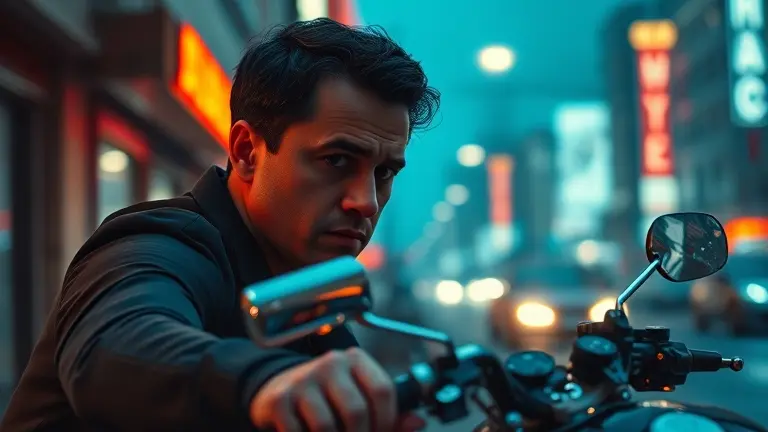
When the first trailer for Motor City dropped, it didn’t just showcase high-octane action; it signaled a radical departure from modern blockbuster norms. Starring Reacher sensation Alan Ritchson alongside Shailene Woodley, the film has set the internet ablaze with its bold promise of a story told almost entirely without dialogue. After a staggering 15-year odyssey through Hollywood’s development hell, this visceral revenge thriller is finally poised to hit theaters on July 24, 2026. But beneath the surface-level hype lies a deeper, more challenging question: is stripping away the dialogue a genuine masterstroke of visual storytelling, or is it a high-stakes gamble that risks alienating a mainstream audience?
For fans who marveled at Ritchson’s ability to command the screen with minimal words in Reacher, this role feels like a natural evolution of his physical, stoic screen persona. Yet, sustaining such intensity for an entire feature film requires more than just raw power—it demands a narrative structure that keeps the viewer locked into every subtle cue, shadow, and movement. As we dissect the history and the ambitious vision behind Motor City, we must consider what this shift means for the future of action cinema and, more importantly, what it demands from the audience sitting in the dark.
The Road to Motor City: A 15-Year Journey Hits the Big Screen

The path to bringing Motor City to the silver screen is a testament to cinematic persistence, spanning nearly 15 years in development hell. Initially stalled by shifting studio priorities and complex production hurdles, the project finally found its momentum, securing an official theatrical release date of July 24, 2026. This long-awaited action feature has captured industry attention not only for its gritty, high-octane premise but also for the star power attached to the project. Leading the cast is Alan Ritchson, whose meteoric rise following his powerhouse performance in the Reacher series makes him the perfect vessel for a film that demands intense physical presence and minimal verbal exposition. Opposite Ritchson, Shailene Woodley joins the cast, rounding out a production that has transitioned from a stalled script into one of the most anticipated releases of the 2026 summer slate.
Breaking the Silence: A Bold Creative Gamble
What truly sets this production apart is the ambitious decision to center the narrative on a “no-dialogue” premise. In an era dominated by heavy exposition, the creative team behind Motor City has opted for a stylistic choice that relies entirely on visual storytelling, kinetic action, and performance-driven nuance. Industry analysts suggest that this choice serves as a narrative bridge for Ritchson, whose Reacher persona already excels in conveying complex motivations through subtle gestures rather than words.
Key factors contributing to the hype include:
- The “No-Dialogue” Hook: A deliberate departure from traditional action tropes that forces the audience to engage with the environment and choreography.
- Production Endurance: A 15-year developmental cycle that allowed the script to evolve and survive through multiple iterations in Hollywood.
- Star-Driven Appeal: Capitalizing on Alan Ritchson’s status as a top-tier action lead, which provides the necessary gravitas to carry a film devoid of standard dialogue.
Whether this stylistic choice proves to be a masterful narrative device or a polarizing gamble remains a point of intense discussion on forums like Reddit and industry platforms. However, the sheer intrigue surrounding this “silent” action thriller ensures that Motor City will be a focal point of the 2026 cinematic conversation.
Is Motor City’s No-Dialogue Style a Masterstroke or a Gamble?
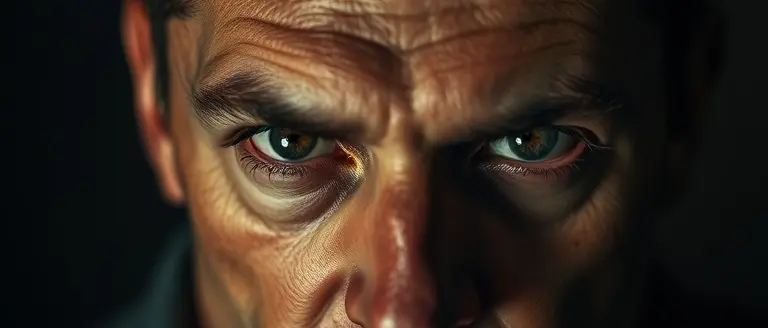
The decision to strip the Alan Ritchson Motor City movie of nearly all spoken dialogue is a bold narrative experiment that shifts the weight of storytelling entirely onto visual language and sound design. While modern action cinema often relies on witty banter or exposition-heavy scripts to keep audiences engaged, this project—emerging from 15 years of development—chooses the path of pure kineticism. By removing the safety net of dialogue, the film demands that the audience focus on the protagonist’s physicality, environment, and non-verbal cues. This approach is reminiscent of Ritchson’s breakout success in Reacher, where his ability to convey menace and intent through presence rather than speech solidified his status as an action icon.
High-Stakes Storytelling: Masterstroke or Risk?
Whether this stylistic choice becomes a cinematic masterstroke or a box-office gamble depends on the film’s ability to maintain high-octane tension without the narrative scaffolding provided by characters speaking. Removing dialogue forces the director to use framing, editing, and soundscapes to establish stakes, which can be far more immersive than traditional dialogue. However, it also presents significant hurdles for mainstream viewers accustomed to the rapid-fire pacing of contemporary blockbusters.
Key elements that will determine the film’s success include:
- Physicality-Driven Narrative: Ritchson must translate internal conflict into external action, using every movement to communicate character development.
- Environmental Storytelling: The setting of Motor City must act as a secondary character, providing context through visual motifs instead of monologues.
- Pacing and Sound Design: Without dialogue to break up sequences, the film’s rhythm and audio track become the primary drivers of viewer engagement.
Ultimately, by leaning into an experimental structure, the Motor City movie differentiates itself from the glut of formulaic action thrillers, appealing to cinephiles who value formal innovation while banking on Ritchson’s immense star power to bridge the gap for a wider audience. If executed with precision, this “no-dialogue” hook could redefine how audiences consume high-intensity genre films.
From Reacher to Motor City: The Evolution of Alan Ritchson’s Physicality
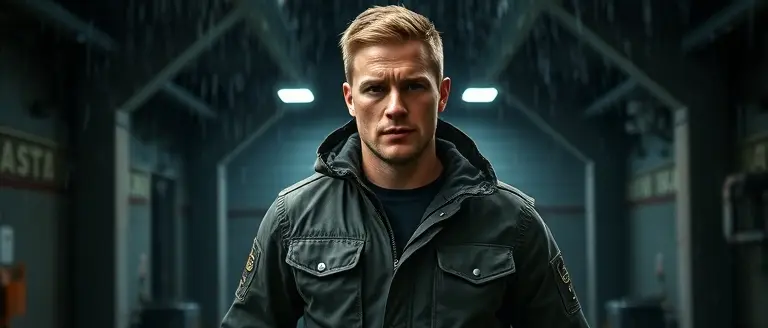
Alan Ritchson has solidified his status as a premier action star through his iconic portrayal of the stoic, hyper-competent drifter in the Reacher series. His ability to convey complex motivations through a gaze rather than a monologue is exactly what makes the Alan Ritchson Motor City movie such an intriguing evolution in his career. While Jack Reacher is often characterized by his minimalist dialogue and sudden, brutal bursts of violence, his upcoming role in Motor City takes this performance philosophy to its absolute logical extreme: the total absence of spoken words.
By removing dialogue, Motor City strips away the typical crutch of exposition, forcing Ritchson to rely entirely on physical acting. This transition highlights his growth as a performer:
- Non-Verbal Narrative: Ritchson must utilize body language, pacing, and micro-expressions to convey the protagonist’s internal struggle, a task he has mastered in smaller doses within Reacher.
- Commitment to Intensity: The film’s marketing emphasizes a gritty, high-stakes environment where every movement is intentional, mirroring the tactical efficiency audiences have come to expect from his past work.
- Structural Pacing: Without words to bridge scenes, Ritchson’s screen presence becomes the anchor of the film, ensuring the audience remains engaged with the character’s survival arc through sheer, raw physicality.
The decision to cast Ritchson in a “no-dialogue” project serves as a testament to his established brand as an action heavyweight. He has successfully convinced audiences that he is a man of action rather than words, and Motor City leans heavily into this perception. This is not just a role change; it is a calculated stylistic pivot that leverages his existing fanbase’s affinity for his “silent professional” persona, effectively turning a bold creative gamble into a showcase of his range as a physically demanding lead.
Decoding the Trailer: Visual Cues and Action Set Pieces
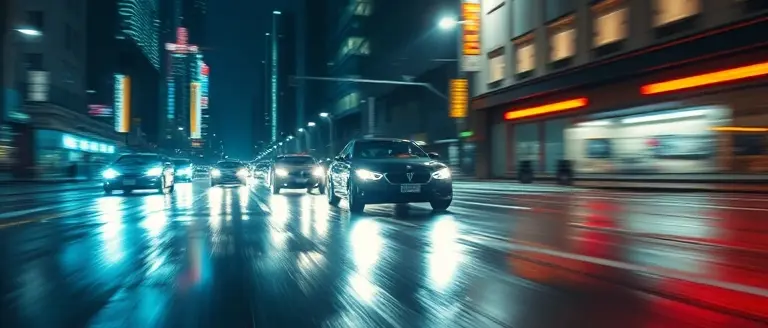
The official trailer for the Alan Ritchson Motor City movie serves as a masterclass in visual communication, effectively replacing traditional dialogue with a high-octane language of motion and shadow. By stripping away verbal exposition, the film forces the audience to decode narrative beats through lighting, color palette, and kinetic energy. The cinematography utilizes high-contrast noir elements, where deep blacks and sharp neon highlights serve to isolate the protagonist within the gritty urban landscape. This deliberate aesthetic choice emphasizes the isolation of Ritchson’s character, reinforcing the internal struggle that is typically articulated through script.
Analyzing Visual Storytelling Techniques
Without the safety net of dialogue, the director relies on rhythmic editing to convey the film’s pacing. The sequence of action set pieces suggests a narrative structure rooted in momentum rather than explanation. Key visual cues include:
- Color Grading: The transition between cold, industrial blues and sudden, violent flashes of amber or red signifies shifts between tactical stealth and explosive confrontation.
- Physicality as Dialogue: Mirroring his role in Reacher, Ritchson uses micro-expressions and body language to convey intent, ensuring the audience remains anchored to his character’s motivations even in silence.
- Environment Interaction: The architecture of the “Motor City” backdrop acts as an antagonist, with the camera frequently framing the protagonist against claustrophobic corridors and sprawling, desolate industrial zones.
These visual storytelling techniques suggest a film that prioritizes visceral engagement over exposition. The trailer reveals a sophisticated balance between slow-burn tension and rapid-fire choreography, indicating that the absence of speech is a structural device intended to heighten the viewer’s focus on every physical movement. For fans of action cinema, this visual-first approach promises a unique experience that leans into the raw, unrefined intensity that has become Ritchson’s hallmark.
Decoding the Future of Cinematic Focus
Whether Motor City becomes a genre-defining classic or a cautionary tale, its commitment to visual-first storytelling marks a fascinating pivot in blockbuster filmmaking. It challenges us to abandon passive consumption and instead engage with the film as active observers, relying on pattern recognition and sensory cues to decipher the emotional stakes. Just as Motor City demands your full, undistracted focus to decode its silent visual narrative, your brain often needs the right tools to maintain that level of high-intensity attention in an increasingly distracted world.
To truly appreciate the nuance of a performance without the crutch of dialogue, you need more than just a ticket to the cinema—you need mental sharpness that keeps you in sync with the film’s rhythm. This is where The Brain Song becomes the essential companion for the modern viewer. By leveraging neuroscience-based auditory stimulation, it helps sharpen your cognitive processing, ensuring your mind is primed to catch every visual detail and narrative layer that would otherwise slip past the average viewer.
Preparing your mind to process complex media is no longer a luxury; it is a necessity for the true cinephile. If you want to elevate your ability to analyze, observe, and immerse yourself in high-concept entertainment, integrating a daily auditory routine is your secret weapon. Don’t just watch the next big action event—experience it with absolute clarity and unmatched mental precision.
 Ready to sharpen your focus? Enhance your cognitive processing and dive into the visual details of the film with a 12-minute daily auditory routine.Yes, I Want To Sharpen My Focus Now!