
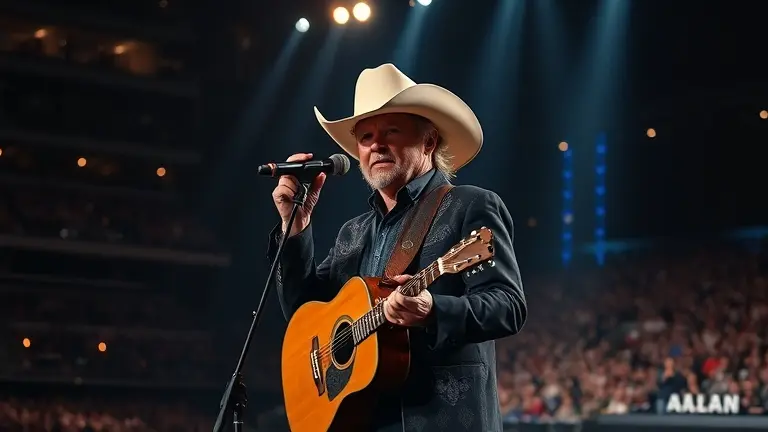
The lights at Nissan Stadium have dimmed for the final time on Alan Jackson’s touring career, but the tremors from ‘Last Call: One More for the Road’ are still being felt across the country music landscape. As the legendary crooner bowed out on June 27, 2026, the night was defined by more than just a setlist of hits; it was a watershed moment that forced a reckoning between the old-school foundations of country music and the rapidly evolving tastes of a modern, pop-infused audience. From the electrifying, heartfelt duet with George Strait that reminded us of country’s golden era, to the lightning-delayed tensions and the internet-breaking debate surrounding the Taylor Swift tribute, the concert served as a microcosm of the current cultural divide.
This wasn’t just a farewell tour; it was a legacy statement. While media outlets scramble to recount the logistics of the night, the true story lies in the profound impact Jackson’s retirement has on his fanbase—a group defined by an appreciation for hard work, tradition, and musical integrity. As we move from the initial shock of his departure from the road to a deeper reflection on his career, the question arises: how do we honor the spirit of an artist who built his kingdom on such a bedrock of unwavering, timeless authenticity?
The Final Curtain: Reflecting on Alan Jackson’s ‘Last Call’ at Nissan Stadium
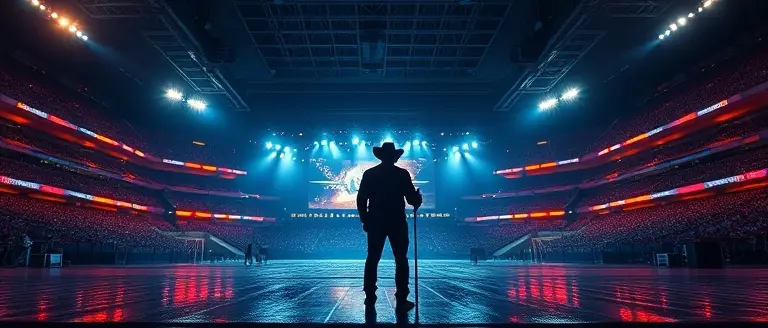
On June 27, 2026, the country music world converged on Nashville’s Nissan Stadium for what was arguably the most significant evening in the genre’s recent history: Alan Jackson’s “Last Call: One More for the Road – The Finale.” As the final notes of his legendary career echoed through the Tennessee air, the atmosphere was a complex blend of celebration and profound melancholy. Despite the weight of the moment, the event was not without its trials; a notable lightning-related delay tested the patience of the sold-out crowd, momentarily stalling the momentum. However, once the stage was cleared for performance, the audience’s devotion remained unshaken, proving the enduring reach of Jackson’s traditional country catalog.
A Night of Milestones and Surprises
The concert served as a definitive retrospective of a storied career, punctuated by moments that will remain etched in Nashville history. Beyond the expected hits, the night featured:
- The George Strait Collaboration: A surprise appearance by country titan George Strait ignited the stadium, serving as a powerful tribute to the bond shared by two of country music’s most influential architects.
- Emotional Reflections: Jackson’s own admission during the show that the response was “overwhelming” provided a raw, human touch to a massive, multi-media stadium production.
- A Contentious Tribute: The evening also became a focal point for modern cultural debate following a video tribute from Taylor Swift, which sparked a polarized reaction among sections of the traditionalist-leaning audience.
The logistical hurdles—namely the weather-induced stoppage—did little to dampen the legacy being cemented on stage. As Jackson took his final bow, he wasn’t just closing a tour; he was effectively capping a pivotal chapter of American music. For the thousands in attendance, the night functioned as a transition, moving from the active, touring participation of a fan base to the preservation of a musical era defined by Jackson’s signature storytelling and authentic country sound.
Iconic Collaborations: George Strait and the Best of the Finale Setlist
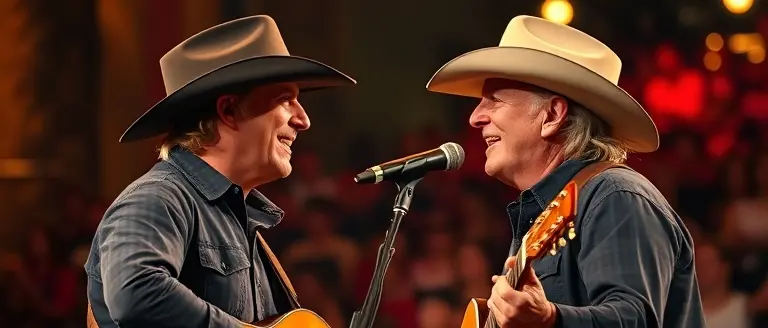
The Alan Jackson Nashville farewell concert, titled “Last Call: One More for the Road – The Finale,” served as a definitive retrospective of a career that reshaped the neotraditional country landscape. While the atmosphere at Nissan Stadium was heavy with nostalgia, the show’s musical centerpiece—a surprise appearance by George Strait—provided the evening’s most poignant validation of Jackson’s stature. As the two legends shared the stage, the performance transcended a typical concert moment, serving as a symbolic passing of the torch and a reminder of the foundational era they both dominated. The collaboration electrified the Nashville crowd, confirming that despite Jackson’s retirement from touring, his influence remains inextricably linked to the core identity of modern country music.
Career-Defining Setlist Highlights
Jackson’s curated setlist was meticulously designed to touch upon every phase of his multi-decade journey, satisfying long-time devotees while highlighting his evolution as a songwriter. Key tracks that defined the evening included:
- “Chattahoochee”: Performed with high energy, this anthem remains the quintessential representation of Jackson’s ability to blend infectious melody with relatable, working-class narratives.
- “Where Were You (When the World Stopped Turning)”: Delivered as a somber, emotional centerpiece, this performance captured the gravity of the singer’s cultural impact.
- “Don’t Rock the Jukebox”: This track served as a high-tempo reminder of the honky-tonk roots that helped Jackson bridge the gap between traditional sensibilities and mainstream popularity.
These tracks, among others, cemented his legacy by demonstrating the breadth of his catalog—from rowdy, beer-soaked anthems to reflective, poetic ballads. By selecting a setlist that spanned his entire career, Jackson ensured that the Nashville finale served not just as a closing event, but as a comprehensive, living archive of his contribution to American music history.
Cultural Friction: The Taylor Swift Tribute Controversy

The Alan Jackson Nashville farewell concert was designed to be a definitive celebration of traditional country music, yet one specific moment shifted the atmosphere from nostalgic reverence to palpable tension. During the event at Nissan Stadium, a pre-recorded video tribute from Taylor Swift was projected onto the screens, intended to honor Jackson’s massive influence on the genre. Instead of a universal embrace, the tribute triggered a polarized reaction, with significant sections of the audience openly expressing audible disapproval. This unexpected backlash highlights a deep-seated cultural friction within the country music community regarding the industry’s evolution toward pop-centric production and cross-genre appeal.
Understanding the Divide
The reaction to the tribute serves as a microcosm of the ongoing debate between “purists” and “progressives” in country music. For many long-time Alan Jackson fans, the Last Call: One More for the Road tour was a sanctuary for the neo-traditionalist sound they believe is being eroded by modern, pop-infused radio hits. The friction stems from several core sentiments:
- Genre Authenticity: Purists argue that artists like Jackson represent the “gold standard” of storytelling and instrumentation, viewing Swift—who transitioned from country to global pop superstardom—as a symbol of the dilution of these traditional roots.
- The “Swiftie” Factor: The overwhelming popularity of modern pop-country acts has created a divide where legacy fans feel their musical preferences are being marginalized by industry shifts.
- Contextual Sensitivity: Critics of the tribute felt that including a pop icon in a career-spanning celebration of a quintessential traditionalist felt forced, potentially overshadowing the artists who actually paved the way alongside Jackson.
This moment of discord does not necessarily reflect on the relationship between Jackson and Swift, but rather underscores a broader industry reality. As country music continues to dominate the mainstream charts through massive cross-over success, the tension between maintaining historical identity and embracing contemporary relevance remains a significant point of public discourse. While some viewed the booing as a disrespectful interruption of an emotional night, others interpreted it as a final stand for a fading era of country music purity.
The Jackson Legacy: Assessing a Lifetime of Country Music Influence

The conclusion of the Alan Jackson Nashville farewell concert marks more than just the end of a touring career; it signifies the closing of a pivotal chapter in American music history. For over three decades, Jackson served as the standard-bearer for the 90s neotraditionalist movement, consistently rejecting pop-country trends to maintain the integrity of the steel guitar and the fiddle. His departure from the stage creates a significant vacuum in the industry, leaving fans and critics alike to question who will continue to anchor the genre in its roots as modern production increasingly leans toward cross-genre experimentation.
Bridging Generations and Musical Philosophies
Jackson’s influence acts as a bridge between the classic storytelling of legends like George Jones and the expansive reach of contemporary country. Throughout his career, he demonstrated that authenticity is not a static concept but a commitment to narrative depth. His impact is perhaps best understood through the following pillars of his legacy:
- Genre Stewardship: Maintaining a consistent sound that prioritized lyrical honesty over commercial gimmicks.
- Commercial Reliability: Proving that radio-friendly hits could coexist with traditional arrangements.
- Mentorship and Visibility: Using platforms like his final performance to highlight historical figures, exemplified by the surprise duet with George Strait.
As the industry grapples with the fallout of the divisive Taylor Swift tribute during his finale, it underscores a wider cultural tension: the struggle between honoring the past and accepting the evolution of the genre. Jackson’s absence from the touring circuit means the mantle of “traditionalist icon” is now vacant. His retirement forces the next generation of country artists to either innovate within the framework he perfected or drift further into the pop-centric territory that his music—and his career—so valiantly resisted. His legacy will be defined by his refusal to compromise, setting a high bar for those who seek to define the “authentic” sound of the future.
Carrying the Torch of Authenticity Forward
The echoes of Alan Jackson’s final show at Nissan Stadium remind us that true artistry isn’t just about hits; it’s about the legacy you leave behind. As the dust settles on his touring career, the friction of cultural shifts—like the polarizing reaction to the Taylor Swift tribute—only highlights how rare and vital Jackson’s brand of traditional, unvarnished craftsmanship has become. You don’t have to let that feeling of authenticity end when the stadium lights dim.
Just as Jackson spent decades meticulously crafting a body of work that stood the test of time, many of his fans are realizing that they want to cultivate that same sense of legacy and precision in their own lives. Transitioning from the concert floor to the workshop is the natural next step for those who value the ‘do-it-yourself’ spirit. By turning your hands toward a creative craft, you aren’t just passing the time; you are building something tangible that mirrors the enduring nature of your favorite records.
Ted’s Woodworking offers the ultimate toolkit for fans who want to reclaim that sense of connection and artistry. With access to over 16,000 professional-grade plans, you can channel your post-concert nostalgia into crafting high-quality, handmade pieces that will outlast any digital trend. Step away from the screens, honor the classics, and start building a tangible legacy that reflects the values Alan Jackson championed throughout his career.
 Start building your own legacy today—explore over 16,000 timeless projects and master the craft that honors the spirit of the classics.Transform My Life Today