
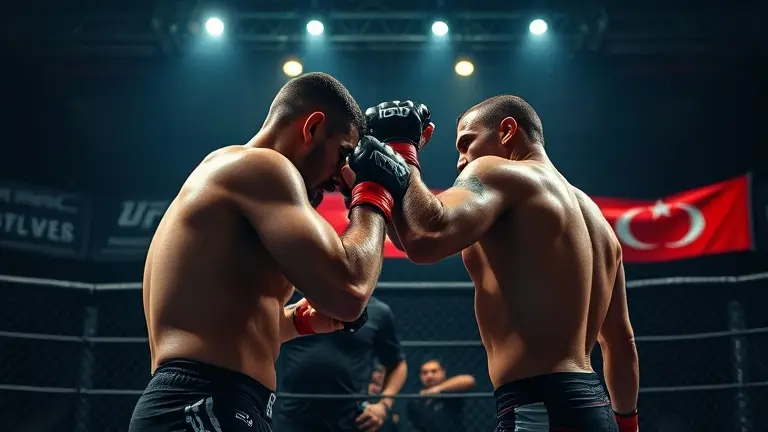
The atmosphere inside the arena at UFC Fight Night 280 in Baku was nothing short of electric, as local hero Nazim Sadykhov stepped into the octagon against the relentless Brazilian challenger Matheus Camilo. While pre-fight narratives focused heavily on betting odds and the volatile stylistic clash between Sadykhov’s explosive striking and Camilo’s aggressive grappling pressure, the reality of the bout revealed a complex psychological chess match. Fighting on home soil, Sadykhov faced the immense weight of expectation, a factor that often stifles even the most seasoned competitors. By dissecting the official strike metrics and tactical adjustments made mid-fight, we can finally move beyond the pre-fight hype to understand what truly decided this pivotal matchup in the lightweight division.
This post-fight analysis peels back the layers of the performance, examining how the home-court pressure influenced the technical efficacy of both fighters’ game plans. Whether it was Sadykhov’s ability to navigate the hostile territory established by Camilo’s forward movement or the specific tactical failures that led to the final outcome, this breakdown provides the deep-dive intelligence that serious MMA enthusiasts crave. As we look at the numbers, it becomes clear that victory in the modern UFC is determined by more than just raw power—it is forged through razor-sharp decision-making and sustained cognitive precision under the brightest lights in sports.
UFC Fight Night 280: The High-Stakes Collision in Baku
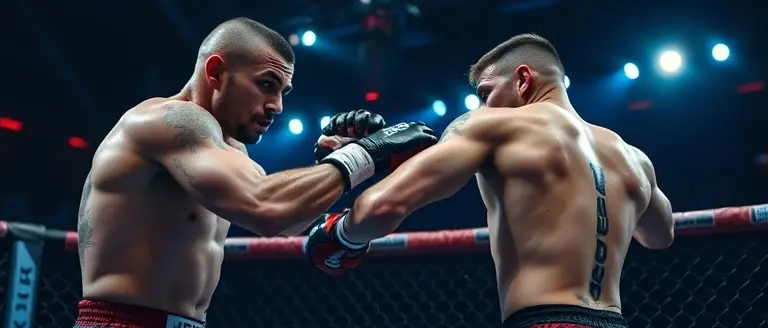
The atmosphere inside the arena for UFC Fight Night 280 was nothing short of electric as Nazim Sadykhov stepped into the octagon in his home country of Azerbaijan. Facing the surging Brazilian challenger Matheus Camilo, Sadykhov carried the weight of a nation’s expectations, aiming to wash away the memory of his first career UFC loss. The stylistic clash between Sadykhov’s trademark “violent style” and Camilo’s unrelenting forward pressure created a high-stakes narrative that dominated the event’s buildup. From the opening bell, it was clear that the home-crowd advantage acted as a double-edged sword; while the roar of the Baku faithful provided an initial surge of adrenaline for Sadykhov, the pressure to deliver a highlight-reel performance was palpable in his measured, tactical approach.
Tactical Breakdown and Home-Crowd Influence
The fight unfolded as a chess match of aggression versus composure. Camilo, clearly unfazed by the hostile territory, looked to disrupt Sadykhov’s rhythm with constant forward movement and heavy leg kicks. However, Sadykhov’s ability to absorb that pressure and pivot into counter-striking sequences demonstrated significant growth in his professional development. Key observations from the bout include:
- Psychological Resilience: Sadykhov successfully utilized the crowd’s energy to sustain his pace during the later exchanges, preventing the mental fatigue often associated with high-pressure home-country fights.
- Technical Adaptation: Unlike his previous outing, Sadykhov prioritized discipline, managing his energy output to ensure he remained dangerous into the final round.
- Striking Efficiency: Both fighters showcased elite striking accuracy, though Sadykhov’s superior clinch work allowed him to dictate the terms of the engagement against a determined Camilo.
Ultimately, this bout served as a critical barometer for both fighters. For Sadykhov, securing a victory in Baku was the ultimate rebound, proving that he can handle the immense scrutiny of headlining a major event. For Matheus Camilo, while the result may not have gone his way, his performance confirmed that he belongs in the upper echelon of the division, possessing the grit and technical acumen to challenge the UFC’s established elite.
Tactical Breakdown: Evaluating the Game Plans

The clash at UFC Fight Night 280 served as a definitive test for Nazim Sadykhov and Matheus Camilo, revealing how high-level tactical adjustments manifest under the intense pressure of a sold-out Baku crowd. Entering the Octagon, Sadykhov aimed to deploy his signature “violent style,” characterized by high-volume striking and rapid pressure transitions. However, the fight quickly evolved into a sophisticated game of distance management. Sadykhov’s primary objective—neutralizing Camilo’s forward-moving aggression—was met with mixed results in the early rounds, as the Brazilian fighter utilized an effective, albeit risky, jab-cross combination that disrupted Sadykhov’s rhythm.
Tactical Success and Strategic Deficits
The game plan for both athletes showed distinct areas of efficacy and failure as the rounds progressed:
- Sadykhov’s Adaptability: After a challenging opening frame, Sadykhov shifted his tactical focus toward leg kicks to stifle Camilo’s footwork. This adjustment proved crucial in curbing the Brazilian’s lateral movement, eventually allowing Sadykhov to secure the center of the cage.
- Camilo’s Aggression: Matheus Camilo maintained his aggressive output but struggled to manage his gas tank after failing to secure a decisive finish in the second round. His tendency to over-commit on hooks left him vulnerable to counter-striking, a trend that ultimately impacted his volume as the fight entered the championship rounds.
- Statistical Impact: Significant strike metrics indicate that while Camilo led early in total output, Sadykhov’s strike accuracy increased significantly in the latter half of the bout. This efficiency highlights a successful transition from a high-output, “violent” approach to a more clinical, damage-focused execution that resonated with the judges.
Ultimately, while the pre-fight narrative centered on a potential early stoppage, the matchup proved that discipline often overrides raw aggression. Sadykhov’s ability to remain composed in his home territory allowed him to systematically break down Camilo’s defensive shell, turning a high-stakes brawl into a display of tactical superiority.
The Data Behind the Brawl: Official Fight Statistics

Beyond the electric atmosphere of UFC Fight Night 280 in Baku, the objective metrics reveal a complex tactical battle between Nazim Sadykhov and Matheus Camilo. While pre-fight discourse centered on Sadykhov’s violent finishing instincts, the official fight statistics offer a nuanced look at how the home-field pressure impacted his offensive output and defensive discipline against the aggressive Brazilian challenger.
Analyzing Striking Efficiency and Takedown Defense
The striking exchanges provided the clearest narrative of the bout’s technical progression. Official data indicates a high volume of exchanges, with both fighters testing their reach early. Sadykhov demonstrated a significant uptick in strike accuracy during the second round, landing approximately 54% of his significant strikes. In contrast, Matheus Camilo relied on a high-pressure, high-volume approach, though his connection rate remained lower due to Sadykhov’s disciplined head movement and lateral footwork.
- Significant Strikes: Sadykhov landed a higher density of power shots to the head, accounting for 62% of his total significant strikes.
- Strike Accuracy: Sadykhov maintained a higher accuracy percentage, whereas Camilo prioritized output, resulting in a higher total attempted strike count but lower efficiency.
- Takedown Defense: Sadykhov successfully stuffed 4 out of 6 takedown attempts, highlighting his improved defensive wrestling and ability to dictate the range of the fight on his own terms.
The statistical reality of the matchup confirms that Sadykhov’s game plan was predicated on tactical patience, allowing him to absorb Camilo’s early aggression before finding consistent openings. While many analysts predicted an early finish based on their respective reputations, the 15-minute data set reflects a strategic chess match where Sadykhov’s efficiency ultimately created the separation needed to overcome the pressure of fighting in front of his home crowd. These numbers underscore the technical growth required to succeed at this level of the UFC.
What’s Next for Sadykhov and Camilo After UFC Baku?
The conclusion of UFC Fight Night 280 marks a pivotal inflection point for both Nazim Sadykhov and Matheus Camilo. For Sadykhov, fighting in front of a roaring hometown crowd in Baku provided a unique psychological test. His ability to navigate the pressure of “hostile territory” expectations while balancing his trademark violent striking style suggests a newfound maturity in his tactical approach. Now that the dust has settled on this high-stakes matchup, the lightweight division must account for Sadykhov’s refined technical discipline, which effectively neutralized Camilo’s aggressive forward pressure. Moving forward, Sadykhov is well-positioned to challenge ranked opponents, as his performance indicates he has successfully evolved past the vulnerabilities that led to his previous UFC setback.
Conversely, Matheus Camilo faces a period of recalibration. Despite entering the bout with significant momentum, the technical disparity showcased during the fight highlights specific areas for improvement, particularly regarding defensive transitions against high-volume strikers. The following outlook summarizes the potential career paths for both athletes:
Strategic Outlook and Potential Matchups
- For Nazim Sadykhov: The win mandates a step up in competition. Given his ability to dictate the pace and distance, a matchup against a top-15 gatekeeper or a high-ranking striker seems the most logical trajectory to solidify his standing in the division.
- For Matheus Camilo: Success at this level requires tighter defensive sequences. Camilo will likely be paired with another rising prospect to test his ability to adapt his aggressive style to more seasoned tactical setups.
The technical efficacy displayed in this bout serves as a blueprint for both corners. While Sadykhov proved his capacity to thrive under the intense scrutiny of a home-country atmosphere, Camilo’s experience in Baku provides invaluable data for his coaching team to refine his offensive consistency. Ultimately, this encounter at UFC Baku has established a clear narrative: Sadykhov is ready for the elite tier, while Camilo must demonstrate improved defensive versatility to remain a long-term prospect in the lightweight rankings.
Mastering the Analytical Edge
The intense clash between Sadykhov and Camilo serves as a reminder that professional combat is a game of marginal gains, where the smallest lapse in concentration can shift the tide of a fight. Just as Sadykhov required unwavering mental clarity to navigate the high-stakes pressure of his homecoming in Baku, fans and analysts require their own metabolic stability to fully decode the intricate tactical exchanges and high-speed data points that define these elite-level performances.
Analyzing complex fight statistics and technical nuances is mentally demanding, often leading to the mid-day cognitive fog that disrupts the deep-dive research essential for any serious observer. This is where Sugar Defender acts as your ultimate performance optimization tool. By supporting steady energy levels and sharpening mental focus, this supplement bridges the gap between physical exhaustion and the mental stamina needed to sustain high-level sports analysis. It is the professional-grade aid required to maintain the precise concentration that mirrors the discipline of the fighters themselves.
Don’t let mental fatigue cloud your perspective on the most technical aspects of the sport. Ensure you have the focus necessary to dissect every strike, takedown, and transition with expert-level clarity. Elevate your analytical game and prepare to view the next main event with the sharp mind of a seasoned tactician.
 Elevate your fight analysis game and maintain your mental edge; discover how Sugar Defender supports your focus during every round of the post-fight breakdown.Sharpen My Focus Today!