
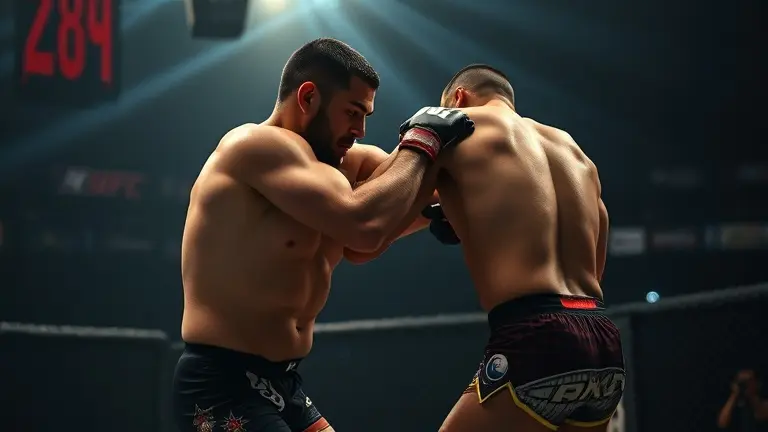
The atmosphere inside the National Gymnastics Arena at UFC Baku was already electric, but when Asu Almabayev locked in a Suloev stretch to finish Charles Johnson, the arena erupted into pure shock. This wasn’t just another flyweight victory; it was a technical masterpiece that shattered historical norms. For the first time in UFC flyweight history, a fighter successfully deployed this high-risk, high-reward submission, leaving experts and casual fans alike scrambling to understand the biomechanical genius behind the hold. While Charles Johnson entered the cage as a formidable adversary, he was ultimately undone by an elite split-second decision that highlights the razor-thin margins at the top of the division.
Beyond the immediate viral highlight, this win marks a pivotal shift in the flyweight rankings. Almabayev’s clinical execution of such a rare technique showcases a level of tactical awareness that demands deeper analysis. To truly appreciate the magnitude of this result, we must look past the surface-level athleticism and examine the cognitive processing required to recognize, trap, and finish a world-class athlete in such a punishing position.
The Historic Finish: Asu Almabayev vs. Charles Johnson at UFC Baku
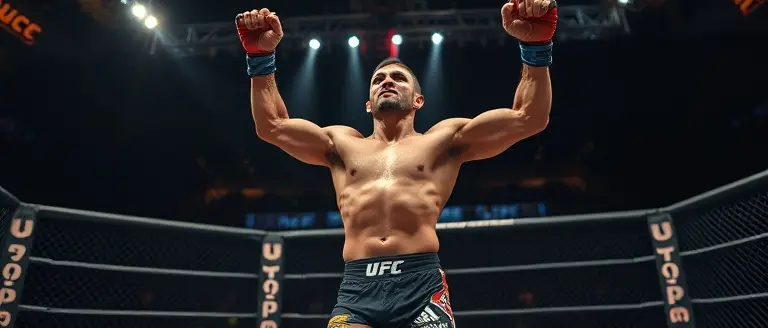
The flyweight clash at UFC Fight Night 280, held at the National Gymnastics Arena in Baku, Azerbaijan, has officially etched itself into the history books. In a high-stakes matchup that captured significant pre-fight attention from analysts at DraftKings and the Action Network, Asu Almabayev secured a statement victory over Charles Johnson. While both fighters entered the cage with aspirations of climbing the competitive 125-pound rankings, the nature of the finish has transformed this bout into an instant viral sensation, driving a massive surge in global search volume and social media discourse.
A Rare Masterclass in Submission Grappling
The fight reached its climax when Almabayev executed a Suloev stretch, a submission hold rarely seen in professional mixed martial arts. This specific maneuver—which applies extreme pressure to the hamstring and hip joint—had never before been successfully completed in the history of the UFC flyweight division. The technical proficiency displayed by Almabayev in transitioning from a scramble into this devastating lock left spectators and broadcast commentators stunned. The rarity of the finish serves as the primary catalyst for the widespread online reaction, as fans and experts alike scramble to deconstruct the mechanics of such an elusive hold.
Key takeaways from the aftermath of this historic event include:
- Historical Precedence: Almabayev is now the first flyweight in UFC history to record a victory via Suloev stretch.
- Rankings Impact: This decisive finish over Charles Johnson UFC veteran status provides a significant boost to Almabayev’s standing, positioning him as a legitimate title contender.
- Global Visibility: The visual impact of the submission, captured in high-definition replay, has generated exponential engagement across social platforms, cementing this UFC Baku performance as one of the most memorable of the year.
The victory confirms that Almabayev is not just a tactical striker but a high-level grappler capable of ending fights with rare, sophisticated techniques. By defeating a resilient competitor like Johnson in such emphatic fashion, Almabayev has effectively signaled his readiness for top-tier opposition, ensuring he remains a focal point of the division’s future narratives.
Anatomy of a Suloev Stretch: Breaking Down the Mechanics
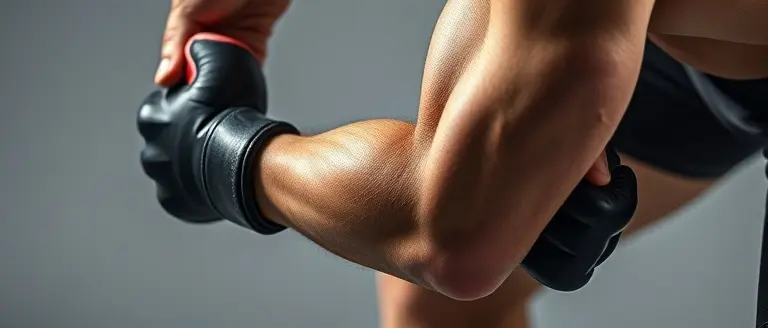
The Suloev stretch is widely considered one of the most sophisticated and painful submission maneuvers in professional MMA, a fact underscored by the historic finish delivered by Asu Almabayev against Charles Johnson at UFC Baku. Mechanically, the move functions as a hybrid between a hamstring stretch and a hip lock. It begins from a top position, typically when the attacker secures a single-leg takedown or manages to isolate one of the opponent’s legs while they are grounded. By trapping the opponent’s ankle against their own torso or under their armpit, the attacker exerts immense pressure by extending the leg backward while simultaneously applying leverage to the hip joint.
The Biomechanics of the Hold
The efficacy of the Suloev stretch relies on extreme mechanical disadvantage for the defender. Because the knee joint is stabilized while the hip is forced into hyperextension, the move creates a devastating strain across the posterior chain. Key components of this technique include:
- Hamstring Isolation: The primary force is directed at the hamstrings, pushing the muscle fibers to their absolute breaking point.
- Hip Joint Leverage: By controlling the femur, the practitioner forces the hip capsule into a compromised position that the human body is not structurally evolved to resist.
- Stability Control: The attacker uses their own body weight to pin the opponent’s hips to the canvas, preventing the defender from spinning or rolling out of the hold.
This maneuver is exceptionally rare in the UFC, particularly in the 125-pound flyweight division, because it requires an elite level of grappling IQ and a precise window of transition. Fighters often avoid the Suloev stretch because it leaves the attacker vulnerable if the submission fails; however, Asu Almabayev demonstrated the perfect timing required to neutralize Charles Johnson. The finish serves as a masterclass in opportunistic grappling, proving that high-level technical submission work remains a defining factor in determining the sport’s most dangerous competitors.
A Flyweight First: Why This Submission Changes the Game
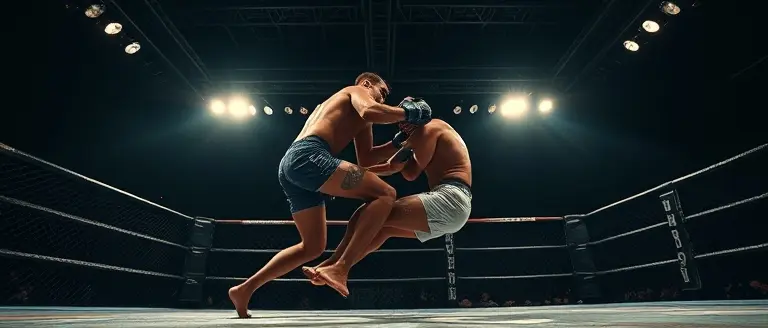
The victory of Asu Almabayev over Charles Johnson at UFC Baku was more than a routine win; it was a technical masterpiece that shattered historical precedents in the 125-pound division. By forcing the tap via a Suloev stretch, Almabayev accomplished something that has never been recorded in UFC flyweight history. Unlike common submissions such as the rear-naked choke or armbar, which rely on isolating a limb or compressing the carotid artery, the Suloev stretch—a dynamic hamstring-focused joint lock—is notoriously difficult to execute against high-level opposition. Its rarity in the Octagon is a testament to the extreme level of athleticism and transitional grappling IQ required to pull it off in a high-stakes environment.
Mechanics and Historical Context
The mechanics of this submission involve catching an opponent’s leg while they are in a standing or kneeling position and leveraging it against their own body, creating intense pressure on the hamstring and hip joint. Because of the technical difficulty, it is rarely seen at the professional level, let alone at the elite speed of the flyweight division.
- Unprecedented Precision: Almabayev’s ability to transition directly from an exchange into this submission against a durable veteran like Charles Johnson demonstrates a superior level of grappling control.
- Ranking Implications: This finish effectively pushes Almabayev into the upper echelon of the flyweight rankings, forcing contenders to account for his unorthodox submission threat.
- Submission of the Year Contender: Given its historical novelty and the fluidity of the execution, the MMA community is already positioning this finish as a frontrunner for Submission of the Year honors.
This moment is a watershed event for the flyweight class, which is often stereotyped by its reliance on speed and point-striking. By integrating such advanced grappling, Almabayev has signaled a shift in how fights are finished in the weight class, proving that technical innovation remains the ultimate weapon in the cage.
Climbing the Rankings: The Post-Baku Impact on Almabayev’s Career

The statement-making victory over Charles Johnson at UFC Baku does more than simply add a win to the record of Asu Almabayev; it fundamentally shifts his position within the elite 125-pound hierarchy. By securing a finish via the Suloev stretch—a maneuver rarely seen in modern professional MMA—Almabayev has successfully separated himself from the crowded pack of contenders who rely solely on decision victories. In a weight class often criticized for its high volume of tactical scorecards, a rare, technical submission of this caliber acts as a massive signal to UFC matchmakers that the fighter possesses both the grappling sophistication and the finishing instinct required to headline future cards.
Strategic Implications and Title Contention
Moving forward, this win significantly improves Almabayev’s standing in the official rankings. Previously viewed as a promising prospect, he is now firmly entrenched in the conversation for top-10, and eventually, top-5 matchups. The victory over a seasoned veteran like Charles Johnson UFC caliber opponent proves that Almabayev can perform under the pressure of an international, high-stakes event. To maintain this upward momentum, several strategic factors must align:
- Increased Visibility: Viral highlights of the Suloev stretch have already generated significant social media engagement, increasing Almabayev’s marketability for main card placements.
- Ranking Escalation: By dominating a ranked opponent in such decisive fashion, Almabayev creates a logical path toward facing perennial contenders.
- Stylistic Recognition: His ability to identify and execute an obscure submission indicates a high “fight IQ,” which judges and analysts increasingly value when evaluating the next generation of potential title challengers.
As Almabayev looks toward his next assignment, he is no longer just another fighter in the division; he is now a dangerous, must-watch enigma. The path to the flyweight title is notoriously difficult, but by delivering a historic finish at UFC Baku, Almabayev has effectively bypassed the “prospect” phase, placing himself directly on the shortlist for high-profile, pivotal matchups in the coming year.
Mastering the Mental Architecture of Elite Combat
The Suloev stretch isn’t just about raw physical strength; it is a testament to the immense cognitive focus required to identify a fleeting opening under the duress of professional competition. Asu Almabayev’s performance against Charles Johnson highlights that the true gap between elite athletes is often found in their ability to process complex technical data in milliseconds. If you have ever felt overwhelmed trying to keep up with the rapid-fire tactical shifts in a high-stakes UFC bout, you understand that your brain is the most important tool for analysis.
Just as a professional fighter must optimize their mind to spot a submission, you need peak cognitive performance to parse the intricate details of elite combat sports. This is where The Brain Song becomes the essential mental utility for the serious MMA enthusiast. Designed to enhance mental clarity and sharpen focus, this program acts as a cognitive optimization tool, ensuring that when you watch a masterclass performance like Almabayev’s, you aren’t just seeing a fight—you are understanding the complex architecture behind every movement.
By integrating a 12-minute daily routine into your life, you are not only sharpening your fight IQ but also upgrading the focus required for every high-stakes challenge in your daily routine. Don’t let the nuances of the game escape you; align your mental capacity with the precision of the athletes you admire. The time to elevate your perspective is now.
 Elevate your own mental game and start processing fight sequences like a pro with The Brain Song’s 12-minute daily routine.Transform My Mental Sharpness Now!