
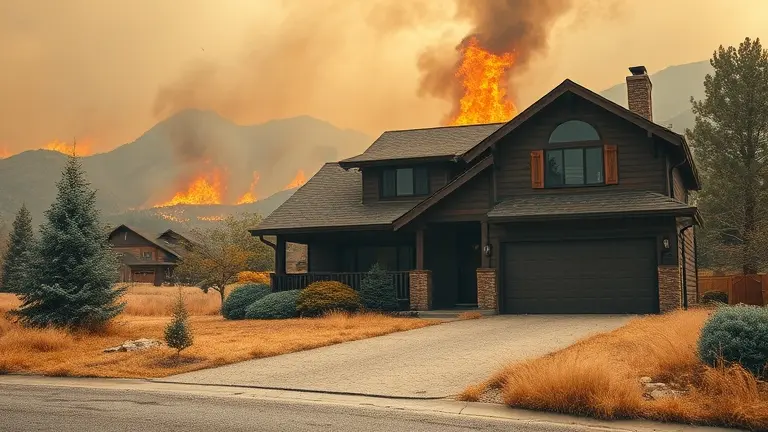
As of June 26, 2026, Utah faces an unprecedented escalation in wildfire activity, marked by the historic expansion of the Cottonwood Fire and the intense Iron Fire. With the National Weather Service issuing extreme red flag warnings across the state, the conversation has shifted from mere awareness to urgent necessity. Over 76% of these destructive blazes are linked to human activity, turning the landscape into a tinderbox under drought-stressed conditions. For homeowners in the path of these fires, the environment has become a source of immense anxiety, as fragmented updates and the looming threat of rapidly shifting winds dominate the daily news cycle.
But beyond the headlines and the debate over firework restrictions, a critical question remains: what can you actually do to protect your sanctuary? While government mandates dictate communal safety measures, true property defense starts at the perimeter of your own backyard. In this era of heightened fire risk, passive observation is no longer enough. To effectively combat the threat of flying embers and intense heat, homeowners must transition from concerned observers to proactive defenders, implementing structured, technical home hardening measures that provide the only real buffer against the encroaching flames.
Current Status of Utah Fires: June 2026 Situation Report
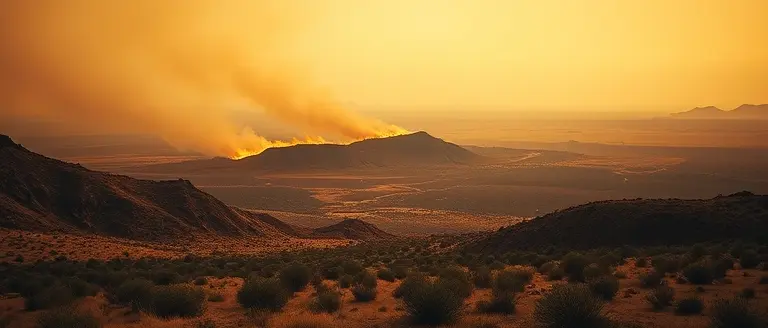
As of June 26, 2026, the wildfire crisis in Utah has reached a critical escalation point, with state and federal resources pushed to their limits. Data indicates that approximately 335 fires have been recorded across the state so far this year, resulting in over 44,856 acres burned. The situation is currently dominated by two major blazes: the Cottonwood Fire and the Iron Fire. The Cottonwood Fire, currently the largest wildfire in the United States, has ballooned to a staggering 111 square miles. Suppression efforts are severely hampered by extreme fire weather conditions, as the National Weather Service has issued historic red flag warnings throughout the region, signaling that the combination of high winds, low humidity, and drought-stressed vegetation creates an environment prone to rapid, erratic fire spread.
Major Fire Breakdown and Containment Challenges
The primary concern for emergency managers remains the volatile nature of the landscape. With over 76% of ignitions linked to human activity, the intensity of these fires has triggered a statewide debate regarding prevention and public safety.
- Cottonwood Fire: Now spanning 111 square miles, this blaze remains largely uncontained. Fire crews are focusing on structural protection in nearby vulnerable areas as the fire continues to surge through dry brush.
- Iron Fire: This secondary major event continues to demand significant aerial and ground assets, further stretching the capacity of Utah’s firefighting infrastructure.
- Environmental Factors: The convergence of persistent drought conditions and the current red flag event means that even minor sparks can result in explosive fire growth, making containment percentages difficult to maintain.
Residents are advised to monitor official channels closely as the state navigates this unprecedented start to the summer wildfire season. The ongoing, high-intensity spread of these fires has forced local officials to implement strict prohibitions, including a statewide ban on fireworks to mitigate further human-caused risk during this period of extreme vulnerability.
Fire Containment Data and Operational Challenges

Managing the current Utah fires requires an immense logistical effort as firefighting crews grapple with the dual challenges of extreme topography and historic drought conditions. The Cottonwood Fire, which has surged to over 111 square miles, highlights the volatility of modern fire behavior. Operations are severely hampered by drought-stressed vegetation, which acts as high-intensity fuel, allowing flames to spread rapidly across steep, inaccessible terrain. In such environments, manual fireline construction is often impossible, forcing incident commanders to rely on aerial water drops and the strategic use of natural barriers to manage fire progression.
The Dynamics of Containment and Acreage
Understanding why containment percentages fluctuate—and sometimes drop—is essential for residents tracking these incidents. Containment is defined as the percentage of the fire perimeter that is enclosed by a secure control line. During red flag warnings, characterized by high winds and low humidity, fire behavior can exceed manual or mechanical suppression capabilities.
Key factors influencing these metrics include:
- Spotting: High winds can carry embers miles ahead of the main front, creating “spot fires” that breach established lines and force crews to reset.
- Fuel Moisture: Extremely dry brush and timber mean that even minor wind shifts can lead to rapid lateral growth, causing a decrease in calculated containment.
- Acreage Mapping: Acreage is calculated using infrared imaging from aircraft or satellites. These measurements are adjusted daily to reflect the most current perimeter, often revealing significant growth when smoke density clears enough for accurate mapping.
Operational challenges are further compounded by the scale of the 2026 fire season, which has already seen 335 fires and over 44,856 acres burned. As crews labor to protect infrastructure, the instability caused by erratic weather patterns remains the primary hurdle in moving from active suppression to full containment.
Understanding Fire Risks: Human Causes and Prevention
The current surge in Utah fires serves as a stark reminder of how environmental fragility and human behavior intersect. Data indicates that approximately 76% of ignitions are human-caused, highlighting a critical need for public awareness. In the context of extreme drought-stressed vegetation and historic Red Flag warnings, even minor oversights—such as dragging trailer chains, disposing of cigarettes improperly, or engaging in recreational burning—can trigger catastrophic wildfires like the Cottonwood Fire. When humidity levels plummet and wind speeds increase, these human-made ignition points can move from a small spark to a massive, uncontrollable landscape blaze in a matter of minutes.
The Science Behind Preventive Restrictions
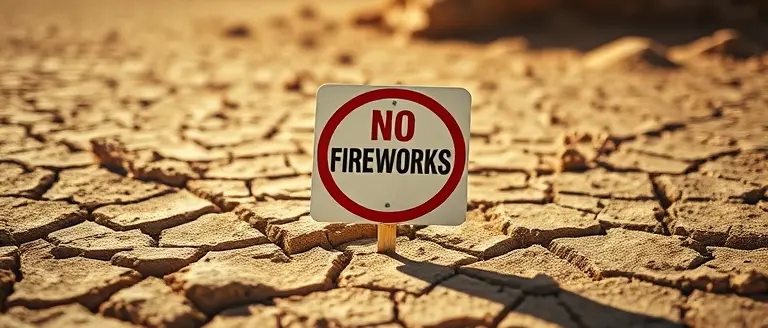
To mitigate these risks, state officials have implemented a statewide ban on fireworks. While this policy often sparks debate regarding personal liberties, the scientific justification is rooted in fire behavior modeling. During high-risk periods, the fine fuels—such as dried grasses and brush—are essentially “cured” and primed for ignition. Fireworks, particularly those that produce sparks or land hot, provide the exact heat source needed to overcome the ignition threshold of this landscape.
Residents can take proactive steps to reduce the likelihood of accidental fires by adhering to these core principles:
- Strict Adherence to Restrictions: Respecting all local and state-level fire bans, including the prohibition of fireworks and open flames in wilderness areas.
- Vehicle Maintenance: Ensure trailer safety chains are properly secured and do not drag on the asphalt, as metal-to-road friction is a frequent source of sparks.
- Targeted Shooting Safety: Avoid shooting in areas with dry vegetation, especially when using ammunition that can spark upon impact with rocks.
- Property Hardening: Clear “defensible space” by removing dead vegetation and flammable debris within at least 30 feet of residential structures.
By focusing on these human-controlled factors, communities can significantly lower the statistical likelihood of new ignitions, allowing limited firefighting resources to focus on the existing, large-scale threats currently impacting the state.
Safety Protocols and Protecting Your Property
As Utah fires continue to threaten communities across the state, taking proactive measures to safeguard your home is essential during this period of extreme fire weather. Hardening your property begins with creating a defensible space, which acts as a buffer between your structure and potential wildland fuels. Experts recommend a three-zone approach: remove flammable debris such as dry leaves, pine needles, and dead vegetation within five feet of your home. Beyond this, thin out dense brush and prune low-hanging tree branches to at least six to ten feet from the ground to prevent ground fires from laddering into the canopy. Investing in non-combustible building materials—such as metal or tile roofing and fine-mesh screens for vents—can significantly decrease the likelihood of embers igniting your home.
Emergency Preparedness and Reliable Information
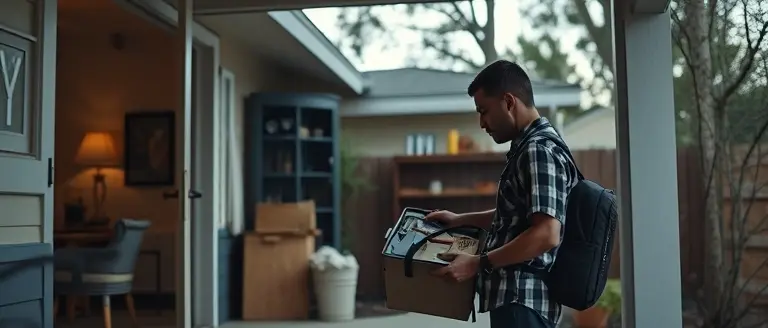
In addition to property maintenance, developing a robust emergency evacuation plan is critical. Every household should maintain a “Go-Bag” containing essential documentation, medications, high-calorie food, water, and portable chargers. When red flag warnings are active, the speed at which a fire can travel makes real-time, accurate data your best defense. Avoid relying on unverified social media threads, which often spread misinformation during high-stress events. Instead, prioritize these official communication channels:
- Utah Fire Info (utahfireinfo.gov): Your primary source for interactive maps and containment statistics.
- National Weather Service (weather.gov): Access real-time updates on wind speeds, humidity, and active red flag warnings.
- CodeRED or Local Emergency Alerts: Register your mobile device with your specific county to receive localized evacuation orders.
- InciWeb: Provides incident-specific details regarding major blazes like the Cottonwood Fire and Iron Fire, including acreage burned and containment percentages.
By staying informed through these verified outlets and executing property mitigation now, you significantly improve your safety and resilience against the current wildfire crisis.
Take Control of Your Property’s Defenses Today
The wildfire crisis in Utah has made one thing abundantly clear: waiting for official containment is no longer a viable strategy for property protection. The most effective way to secure your home against flying embers is through strategic home hardening—a process that demands precision, resilience, and the right technical approach. While government restrictions may limit certain activities, the responsibility for creating a defensible space rests squarely in your hands.
Building fire-resistant structures requires more than just good intentions; it demands professional-grade blueprints to ensure your efforts are both effective and safe. This is where Ted’s Woodworking becomes an essential partner in your defense strategy. By providing a comprehensive library of 16,000 professional blueprints, it eliminates the guesswork and trial-and-error that often plague DIY protective projects. Whether you are constructing ember-resistant fencing or screening to protect vulnerable siding, these precise plans empower you to build with the confidence that your defense structures will stand up when it matters most.
Transform your property from a vulnerable target into a hardened, defensible space. By utilizing professional construction plans, you are not just building structures; you are actively taking control of your family’s safety and property security in these volatile conditions. Don’t wait for the next red flag warning to realize you need a better plan.
 Secure your property before the next red flag day; access 16,000 professional blueprints to start your home hardening projects today.Protect My Home Now!