

The June 25th türkiye vs usa match was supposed to be a victory lap for the United States Men’s National Team. Having already secured their spot in the Round of 32, the USMNT entered the final Group D fixture with the luxury of being able to experiment. Yet, as the final whistle blew in a stunning 3-2 defeat to Türkiye, the narrative shifted instantly from ‘group stage dominance’ to a sobering reality check. This wasn’t just a loss on paper; it was a visible case study in defensive complacency and a lapse in the cognitive discipline required for elite, high-stakes international competition.
While fans may wonder, is usa out of the world cup? The answer is a definitive no, but the questions surrounding the team’s mental readiness are now deafening. When the stakes feel lower, the focus often drifts—a psychological trap that can be fatal in the knockout stages. This article peels back the layers of that stoppage-time collapse, analyzing how a ‘meaningless’ fixture exposed deep-seated vulnerabilities that the USMNT must address before the bracket gets significantly tougher.
Türkiye vs. USA: Breaking Down the Stoppage Time Shock
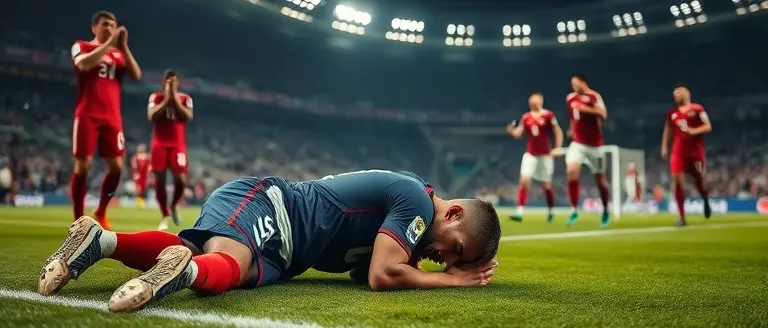
The June 25, 2026, türkiye vs usa match proved to be a cautionary tale regarding the psychology of tournament play. While the USMNT entered the fixture with a secure path to the Round of 32—having already clinched their knockout stage spot—the resulting 3-2 loss to Türkiye exposed significant vulnerabilities. What many analysts initially categorized as a “mathematically useless” game quickly transformed into a high-stakes wake-up call. The dramatic stoppage-time goal by Kaan Ayhan did more than just seal a victory for Türkiye; it punctured the narrative of American dominance and highlighted a concerning lack of defensive intensity during the final minutes of play.
The Cost of Complacency
The us vs turkey clash served as a sharp reminder that momentum in a World Cup environment is fragile. Even with the primary objective of qualification achieved, the defensive lapses observed in the closing stages raised red flags for fans and coaching staff alike. Key takeaways from the performance include:
- Defensive Fatigue: Evidence suggests that the US backline struggled to maintain a high defensive line against late-game pressure.
- The ‘Clinched’ Mindset: When a team plays a fixture where qualification is already secured, there is a measurable dip in tactical discipline, often referred to as “low-stakes complacency.”
- Transition Vulnerability: Türkiye successfully exploited the gaps left by the US during late-game offensive pushes, turning a draw into a devastating loss.
This result has sparked intense public discourse across social platforms like Reddit and TikTok, shifting the conversation from celebration to scrutiny. While the usa world cup run remains alive, this loss forces a necessary internal audit of the team’s closing protocols. Moving forward, the focus must shift to whether the USMNT can rectify these concentration lapses before the high-pressure environment of the knockout rounds, where even minor errors can lead to immediate elimination from the tournament.
Tactical Autopsy: Defensive Fragility in the Final Minutes
The türkiye vs usa clash on June 25, 2026, served as a stark reminder that even a clinched status in the USA World Cup group stage does not grant immunity from tactical lapses. During the dying moments of stoppage time, the USMNT defensive structure disintegrated, allowing Kaan Ayhan to secure a 3-2 victory for Türkiye. The breakdown was not merely a result of individual error but a failure in collective defensive discipline. As the clock ticked into added time, the American defensive line appeared to lose its compact shape, shifting from a cohesive unit to a disjointed group of individuals reacting to the ball rather than tracking dangerous runners.
Key Tactical Failures in Stoppage Time
The analysis of the final minutes reveals three critical areas where the US defense faltered:
- Loss of Midfield Screen: Substitutions intended to rotate the squad disrupted the central defensive cover, allowing Türkiye’s playmakers too much time to pick out clinical passes.
- Defensive Transition Speed: Following a sustained period of possession, the backline failed to recognize the immediate threat of a counter-attack, leaving gaps that were easily exploited by aggressive runs.
- Failure to Track Off-Ball Movement: During the final cross leading to the game-winning goal, the defensive line struggled with spatial awareness, failing to account for attackers drifting into the blind side of the fullbacks.
This us vs turkey encounter highlighted a psychological shift among the players. Once the team had secured their spot in the Round of 32, the intensity dropped, and the “killer instinct” required to close out a game evaporated. While the match was mathematically insignificant for progression, the lack of defensive rigor in the final third remains a significant point of concern. For the coaching staff, this serves as a necessary wake-up call; the team must maintain tactical discipline regardless of their standings. Addressing these lapses in communication and positioning will be the primary objective before the high-stakes knockout rounds begin, ensuring that such defensive fragility does not become a recurring theme.
The ‘Clinched’ Mindset: Psychological Challenges in the 2026 Format

The türkiye vs usa matchup on June 25, 2026, served as a stark case study in the psychological hazards of the modern FIFA World Cup format. By the time the whistle blew for kickoff, the USMNT had already secured their berth in the Round of 32. While mathematically “useless,” this fixture highlighted the recurring challenge of maintaining professional intensity when a team is effectively playing for pride rather than progression. In high-stakes tournaments, this “clinched” status often creates an unintentional psychological drift—a scenario where subconscious complacency can lead to a breakdown in tactical discipline. The evidence suggests that even minor shifts in squad intensity can dismantle the defensive structure that brought a team success in their earlier group stage matches.
The Cost of Experimental Roster Shifts
The decision to utilize this match to rotate the squad introduced a level of unpredictability that ultimately worked against the United States. While resting key players is standard practice to mitigate fatigue, it often disrupts the on-field chemistry built during the preceding matches. Against a highly motivated Türkiye side fighting for their own tournament life, the US defensive unit appeared disjointed, particularly during the high-pressure moments of the second half. Key tactical issues included:
- Stoppage Time Vulnerabilities: A visible lack of communication in the final minutes allowed Kaan Ayhan to capitalize, exposing gaps in concentration.
- Disrupted Rhythm: Experimental lineups struggled to mirror the cohesive press seen in previous victories, allowing the opposition to dictate the pace.
- Loss of Momentum: The transition from a “perfect” group stage run to a 3-2 defeat risks psychological scarring that could linger if not addressed before the knockout rounds.
Ultimately, the usa vs turkey result serves as a vital wake-up call. Whether the lapse in judgment was born of complacency or simply a symptom of roster rotation, the USMNT must reconcile this loss as a prerequisite for success. The reality is that in the 2026 format, no opponent can be underestimated, and “clinched” matches are now critical testing grounds for mental fortitude, not just administrative formalities.
Knockout Readiness: Rebound or Re-evaluation?

The türkiye vs usa result on June 25 has shifted the narrative surrounding the USMNT from comfortable group-stage favorites to a team under intense scrutiny. While the USMNT had already secured their path to the Round of 32, the late-game breakdown—culminating in a stoppage-time goal by Kaan Ayhan—exposed alarming defensive lapses that could prove fatal in a single-elimination format. Critics and analysts are now questioning whether the “clinched” status led to psychological complacency, or if there are systemic structural issues that teams like Türkiye were able to exploit. To survive the knockout rounds, the coaching staff must pivot from rotation-based management to a more rigorous, high-intensity defensive structure that prevents opponents from finding lanes during the final minutes of play.
Strategic Priorities for the Knockout Stage
To recover from the usa turkey disappointment, the USMNT must address several critical vulnerabilities before their next fixture. The media discourse across platforms like CBS Sports and Reddit emphasizes that there is no room for the defensive “switching off” seen in the final moments of the Group D finale. The team’s path forward requires a focus on:
- Defensive Accountability: Implementing a tighter, lower-block defensive shell during the final 15 minutes of play to negate counter-attacking threats.
- Tactical Flexibility: Moving away from the assumption that the team can play “loose” because they have points in the bank; every match in the knockout phase is effectively a “must-win.”
- Psychological Resiliency: The coaching staff must emphasize that despite being out of the world cup contention for an “unbeaten” record, the team’s ultimate goal remains intact if they treat every sequence with tournament-winning intensity.
Ultimately, this loss should be viewed as a necessary wake-up call. The competitive landscape of the 2026 usa world cup is unforgiving, and the margin for error in the Round of 32 is non-existent. Fans and pundits are looking for a cohesive response in the next match, one that demonstrates that the squad has learned from their errors against Türkiye and is prepared to play at a championship level.
The Path Forward: Sharpening Your Analytical Edge
The 3-2 defeat against Türkiye served as a stark reminder that in the 2026 World Cup, discipline is the only currency that matters. The USMNT’s stoppage-time breakdown wasn’t merely a tactical error; it was a failure of sustained mental intensity. As the tournament progresses into the knockout rounds, the margins for error will vanish, and only teams—and fans—with razor-sharp focus will truly thrive under the immense pressure of the global stage.
Just as the USMNT requires absolute mental clarity to prevent defensive lapses in the dying minutes, you need similar cognitive focus to dissect complex match-play, track player movements, and stay ahead of the tactical narrative. If you find your mind wandering during the most intense moments of the game, it is time to optimize your cognitive performance. The Brain Song serves as your ultimate mental conditioning tool, designed to enhance focus, eliminate brain fog, and improve your capacity to process high-stakes information.
By clearing the mental static, you allow yourself to engage with the tactical nuances of the tournament on a higher level. Don’t let mental fatigue be the reason you miss the subtle strategic shifts defining this World Cup. Elevate your analytical edge and stay locked in for the Round of 32 with the same precision the USMNT needs on the pitch—discover how The Brain Song sharpens your cognitive game here.
 Elevate your analytical edge and stay locked in for the Round of 32 with the same precision the USMNT needs on the pitch—discover how The Brain Song sharpens your cognitive game here.Yes, I Want This Now!