

For millions of patients, the prescription of a statin to manage cholesterol comes with an underlying shadow of anxiety: the persistent fear of muscle pain. This ‘statin hesitancy’ has long been a barrier to optimal heart health, often causing individuals to delay or discontinue vital medication due to concerns over debilitating side effects. However, a groundbreaking study from the University of Oxford’s Nuffield Department of Primary Care Health Sciences has finally brought clarity to this issue, offering a sigh of relief to patients everywhere.
By introducing a sophisticated new clinical prediction tool, researchers have confirmed that for over 98-99% of patients, the risk of developing severe muscle disorders is statistically negligible. This isn’t just a data point; it is a transformative insight that distinguishes common, mild discomfort from serious clinical risks. Understanding these findings is the first step toward reclaiming your confidence, ensuring that your path to cardiovascular health is guided by evidence rather than fear.
Understanding the New Statin Risk Calculator: A Breakthrough in Patient Care

In June 2026, researchers from the University of Oxford’s Nuffield Department of Primary Care Health Sciences introduced a transformative development in cardiovascular medicine: a new clinical prediction tool designed to calculate a patient’s 10-year risk of developing severe muscle disorders when taking statins. Published in The Lancet Digital Health, this study serves as a critical resource for addressing widespread “statin hesitancy.” By moving away from anecdotal fears and toward data-driven assessments, healthcare providers can now offer patients a personalized, objective look at their safety profile before starting cholesterol-lowering therapy.
Why This Tool Matters for Clinical Practice
The primary significance of this research lies in its ability to quantify risk, which effectively separates common, mild muscle aches from medically concerning events. Key findings from the study indicate that for the vast majority of patients—approximately 98% to 99%—the statistical risk of developing a serious, clinically verified muscle disorder remains extremely low. Specifically, data suggests that for 99.6% of statin-eligible individuals, the 10-year risk of experiencing such an event is less than 10%. This distinction is vital for patient adherence, as it empowers clinicians to:
- Counteract the “Nocebo Effect”: Many patients experience muscle pain because they anticipate it; having a low-risk score helps patients feel more confident in the medication’s safety.
- Improve Adherence: By demonstrating that statin severe muscle risk prediction models show negligible danger for the average user, doctors can encourage patients to stay on life-saving therapy.
- Individualize Care: The calculator moves beyond “one size fits all” warnings, allowing for a nuanced conversation between doctors and patients about heart health.
Ultimately, this tool functions as a bridge between scientific data and patient anxiety. By highlighting the statistical rarity of severe complications, the Oxford researchers have provided a foundation for more informed, less fear-based decision-making. Patients are encouraged to discuss this 10-year risk assessment with their primary care providers to determine if the heart-protective benefits of statins significantly outweigh the minimal potential for muscle-related side effects.
Addressing Statin Hesitancy: Distinguishing Common Aches from Severe Risks

For many patients prescribed cholesterol-lowering medication, the fear of muscle pain is a primary driver of statin hesitancy. It is essential to acknowledge that while many individuals report generalized muscle discomfort after starting treatment, clinical evidence distinguishes these common, often transient sensations from truly dangerous conditions. According to the landmark study from the University of Oxford’s Nuffield Department of Primary Care Health Sciences, the actual statin severe muscle risk prediction indicates that life-threatening muscle disorders are statistically negligible for the vast majority of patients. In fact, the data reveals that for over 99% of those eligible for therapy, the 10-year risk of developing a serious adverse event remains extremely low.
Understanding the Difference Between Aches and Severe Disorders
It is vital to differentiate between common, non-specific muscle soreness and the rare clinical conditions that physicians monitor for. Many mild aches experienced by patients may be attributed to common aging processes, increased physical activity, or the nocebo effect—a phenomenon where the anticipation of side effects leads patients to perceive discomfort that is not biologically caused by the drug itself.
To better navigate these concerns, patients should keep the following distinctions in mind:
- Common Aches: Often characterized by mild, intermittent muscle soreness that does not prevent daily activities and often resolves on its own as the body adjusts.
- Severe Statin-Induced Disorders: These are rare, clinically verifiable conditions that involve significant muscle damage, typically accompanied by elevated biomarkers in blood tests (such as creatine kinase levels) that your doctor can easily screen for.
- The Nocebo Effect: Research confirms that when patients expect symptoms, they are more likely to report them. Open communication with your healthcare provider can help determine if your symptoms are physiological or related to the psychological expectation of side effects.
By utilizing the new clinical prediction tool, doctors can now provide personalized data, reassuring patients that for the overwhelming majority, the cardiovascular benefits of statins far outweigh the risk of severe complications. If you experience new or persistent muscle pain, do not discontinue your medication abruptly; instead, discuss these symptoms with your physician to ensure you are receiving the most accurate assessment of your health.
How to Use the Statin Risk Tool with Your Healthcare Provider

Navigating the conversation about statin severe muscle risk prediction can feel daunting, but the arrival of the new Oxford-developed clinical tool provides an objective framework to replace anxiety with evidence. Rather than relying on anecdotal concerns or generalized fears, you can now use this data-driven model to foster a productive dialogue with your physician. Before your next appointment, familiarize yourself with your personal health metrics—such as your current cholesterol levels, blood pressure, and any existing comorbidities—as these are the variables the tool uses to calculate your specific risk profile.
Steps for an Evidence-Based Consultation
When preparing for your visit, consider these actionable steps to ensure your doctor is aware of your interest in the new clinical model:
- Request a Risk Assessment: Ask your doctor, “Based on the new clinical prediction tool from the University of Oxford, what is my individual 10-year risk profile for severe muscle disorders?”
- Discuss the Benefits-to-Risk Ratio: Frame the conversation around the potential life-saving benefits of statins in reducing cardiovascular events compared to the statistically negligible risk of severe muscle complications, which affect fewer than 1% of patients.
- Distinguish Symptoms from Risks: Clearly differentiate between mild, transient muscle aches—which are often associated with the nocebo effect—and the rare, clinically significant muscle disorders the tool is designed to predict.
- Bring the Data: If your provider is not yet familiar with the specific Lancet Digital Health study, offer to share the summary of the findings so you can evaluate your candidacy for treatment together.
By shifting the narrative from a fear of side effects to a personalized analysis of your cardiovascular health, you empower your doctor to make informed prescribing decisions. This collaborative approach helps mitigate statin hesitancy, ensuring that you receive the protection you need for your heart while maintaining complete clarity regarding your long-term safety.
The Evidence Behind the 99%: Why Most Statin Patients Are at Low Risk

Recent research from the University of Oxford’s Nuffield Department of Primary Care Health Sciences has provided long-awaited clarity regarding statin severe muscle risk prediction. By analyzing vast datasets to create a clinical risk model, researchers have confirmed that serious adverse muscle events—clinically known as myopathy or rhabdomyolysis—are statistically rare. The study, published in The Lancet Digital Health, highlights that over 99% of patients eligible for cholesterol-lowering therapy fall into a very low-risk category. Specifically, for 99.6% of individuals, the calculated 10-year risk of experiencing a severe muscle disorder remains below 10%, offering a robust reassurance for those who have historically avoided treatment due to fear.
This data acts as a significant milestone for cardiovascular health management, as it directly counters the widespread “statin hesitancy” often fueled by anecdotal reports of muscle pain. While minor, non-specific muscle aches are frequently reported in clinical practice, this research distinguishes between subjective discomfort and documented, life-altering muscular toxicity. By utilizing the new Oxford prediction tool, healthcare providers can now offer personalized risk assessments, allowing patients to distinguish between perceived danger and measurable biological risk.
Key takeaways regarding the safety profile of these medications include:
- Statistical Improbability: The incidence of severe, objectively defined muscle damage is extremely rare, occurring in only a tiny fraction of the treated population.
- Objective Risk Stratification: The new clinical tool allows doctors to quantify an individual’s 10-year risk, replacing abstract fear with concrete data.
- Addressing the Nocebo Effect: Many reported symptoms may not be directly caused by the statin molecules themselves, but rather by the anticipation of side effects, which this data-driven approach aims to mitigate.
Ultimately, this evidence shifts the focus back to the primary benefit of statin therapy: the drastic reduction of cardiovascular events such as heart attacks and strokes. By providing a clear, evidence-based perspective on safety, this tool empowers both patients and clinicians to prioritize heart health without the distraction of disproportionate anxiety regarding muscle safety.
Take Charge of Your Heart Health Journey
The landmark Oxford study offers a powerful reminder: while medication is a cornerstone of cardiovascular care, your peace of mind is just as essential. By shifting the focus from fear to facts, you can feel confident in your treatment plan knowing that the risk of severe muscle complications is statistically rare. You are not just a patient on a prescription; you are the driver of your own long-term wellness, and making informed, data-backed decisions is the most effective way to protect your heart.
While clinical tools help us manage medication risks, adding proactive, natural cardiovascular support to your daily routine can provide an extra layer of confidence in your heart health journey. This is where Cardio Slim Tea becomes an essential companion. Designed to support your metabolic and heart health, it bridges the gap for those who want a holistic, plant-based supplement that complements their medical regimen rather than conflicting with it.
Integrating Cardio Slim Tea into your day is a gentle, empowering way to optimize your vitality and feel more in control. It acts as a lifestyle accelerator, helping you maintain a healthy, balanced approach to cardiovascular wellness alongside your prescribed care. Embrace this proactive step today and feel the difference that natural, daily support can make in your life.
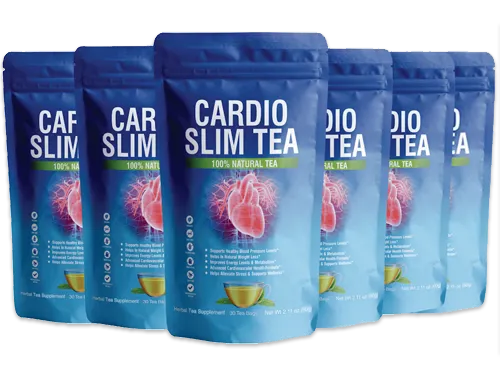 Support your heart health naturally: Discover how Cardio Slim Tea fits into your daily routine here.Transform My Heart Health Today!