
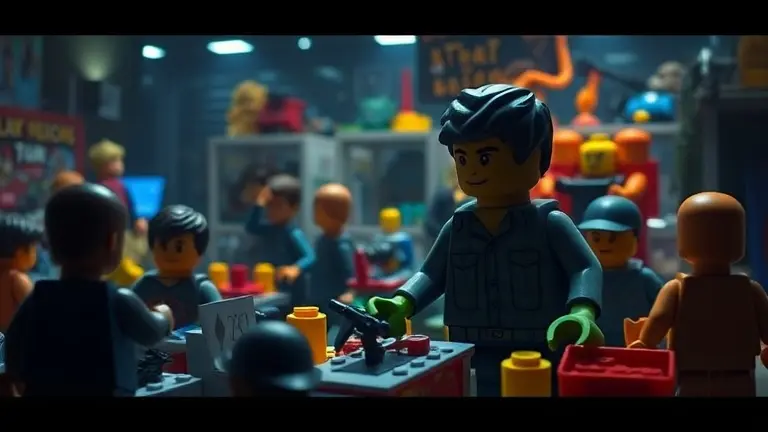
The high-stakes legal battle between YouTuber Reckless Ben and the LEGO resale franchise Bricks & Minifigs has been a whirlwind of controversy, accusations, and unexpected legal maneuvers. What began as an investigative deep dive into business practices quickly escalated into a civil lawsuit, complete with armed police involvement and a restrictive gag order that silenced the creator for weeks. For observers, keeping pace with the rapid-fire developments—from alleged defamation to the surprising recent turn toward mediation—has felt like navigating a legal minefield.
Now, as both parties move toward a truce and the restrictive orders are lifted, the anticipation for the suppressed Part 3 of the investigation has reached a fever pitch. However, amidst the noise of Reddit threads and conflicting narratives, it is crucial to strip away the speculation and focus on the procedural reality. In this analysis, we synthesize the timeline of events and examine what the shift to mediation implies for the future of creator-led investigative journalism, ensuring you have a clear, objective view of the endgame.
Understanding the Reckless Ben and Bricks & Minifigs Dispute

The reckless ben lego lawsuit emerged from a high-stakes investigative series conducted by YouTuber Ben Schneider, aimed at exposing alleged unethical business practices within the Bricks & Minifigs (BAM) franchise. The conflict centered on a valuable collection of LEGO sets and accusations regarding the transparency of appraisal and resale operations at a local franchise location. As Schneider’s digital investigation gained traction, the situation escalated from social media scrutiny to formal litigation. BAM Franchising responded by filing a civil lawsuit against the creator, alleging defamation and business interference. This legal maneuver resulted in a controversial court-ordered restraining order, which effectively blocked the release of a highly anticipated “Part 3” of the investigation, drawing widespread debate regarding the intersection of influencer-led investigative journalism and corporate legal protection.
From Restraining Order to Mediation
Within the last 48 hours, the trajectory of this dispute has shifted significantly. Both parties have officially entered into a truce, opting for formal mediation to resolve their grievances outside of the courtroom. As a result of this development, BAM has agreed to modify the existing restrictive measures, including the gag order that had previously prevented Schneider from publishing his findings. This procedural shift represents a major win for transparency advocates and supporters of creator-led inquiries.
Key developments in the case include:
- The Allegations: Schneider’s investigation initially focused on claims of deceptive pricing and mishandling of high-value LEGO assets, which the franchise vehemently denied.
- Legal Escalation: The involvement of law enforcement, including reports of armed police interventions related to the dispute, elevated the narrative from a mere business disagreement to a matter of public safety and criminal inquiry.
- The Settlement Path: Mediation is now the primary vehicle for resolution, signaling that both the influencer and the corporate entity are seeking to avoid the risks of a lengthy, costly, and public jury trial.
The community now turns its focus to the pending release of the third installment of the investigation. While the legal barriers have been lowered, the central question remains: will the upcoming content provide definitive evidence of misconduct, or will the mediation agreement require a more measured, nuanced presentation of the facts?
The Road to Mediation: What the Truce Means for Both Parties

The recent shift in the reckless ben lego lawsuit marks a pivotal turn from aggressive courtroom posturing toward a more measured resolution. By agreeing to a truce and entering formal mediation, both Ben Schneider and BAM Franchising have moved away from the volatile trajectory of a high-stakes civil trial. The most significant development in this legal standoff is the modification of the restraining order that previously acted as a gag order, effectively preventing the release of the final segment of Schneider’s investigative series. By easing these restrictions, the parties have signaled a willingness to resolve the dispute through negotiation rather than judicial enforcement, which carries inherent risks for both sides.
Why Mediation Often Trumps Litigation
In the context of complex civil disputes, mediation serves as a strategic off-ramp that provides several advantages over the uncertainty of a jury verdict:
- Cost Efficiency: Prolonged litigation involving intellectual property, defamation claims, and corporate reputation management often results in exorbitant legal fees that can easily outweigh the value of the underlying claims.
- Controlled Disclosure: Unlike a public trial where evidence is entered into the official record, mediation remains confidential, allowing both parties to address allegations without further inflaming public perception.
- Mitigation of Reputation Risk: For a franchise like Bricks & Minifigs, continued public litigation risks further damaging brand sentiment. For Reckless Ben, mediation provides a path to publish his findings without the immediate threat of contempt of court charges.
- Finality: A court-ordered judgment is often subject to lengthy appeals, whereas a mediated settlement provides a definitive, mutually agreed-upon end to the conflict.
Moving forward, the focus shifts to whether the upcoming content release will remain within the bounds of a potential settlement agreement. While the legal machinery has slowed, the underlying tension between investigative journalism and corporate accountability remains a central theme, highlighting the precarious position influencers face when exposing private business practices. By opting for mediation, both parties have demonstrated a tactical pivot aimed at controlling their respective narratives and avoiding the unpredictable outcome of a full-scale legal battle.
Part 3 and Beyond: What to Expect from the Upcoming Content
With the lifting of the restrictive gag order following the recent truce between Reckless Ben (Ben Schneider) and Bricks & Minifigs (BAM), the digital landscape is bracing for the highly anticipated “Part 3” of the investigation. While public curiosity is at an all-time high, viewers should maintain realistic expectations regarding the nature of the upcoming content. Because both parties have formally entered mediation, the release of this footage now occupies a delicate legal space. Schneider is no longer legally barred from publishing his findings, but the ongoing negotiations imply that the content will likely be scrutinized for potential defamation risks or sensitive trade secrets that could jeopardize the current settlement talks.
Navigating the Legal Landscape of Creator Journalism
The shift from active litigation to a collaborative mediation process marks a turning point in the Reckless Ben LEGO lawsuit. For the audience, this transition suggests that the upcoming video may prioritize verified evidence over speculative commentary. Supporters and critics alike are looking for definitive proof regarding the original allegations of unethical business practices. To ensure a balanced perspective, consider the following potential outcomes for the upcoming release:
- Evidence-Based Reporting: Schneider is likely to present documented materials that were previously suppressed, aiming to substantiate his claims without crossing into actionable defamation.
- The Mediation Impact: Since the parties are currently in talks, the video might be framed as a “report on the process” rather than a final, one-sided indictment of the franchise.
- Compliance and Caution: Given the high stakes of the civil lawsuit, the video will likely undergo rigorous legal review to ensure it complies with the specific terms of the recent truce.
Ultimately, the release of Part 3 serves as a litmus test for the future of influencer-led investigative journalism. If Schneider successfully presents his findings while maintaining the boundaries established during mediation, it may set a new precedent for how independent creators hold corporate franchises accountable in the United States. Viewers should remain attentive to the nuances in the video, as the tone and substance of this release will likely provide the clearest signal yet regarding whether this conflict is moving toward a permanent resolution or a renewed legal battle.
The Impact of Influencer Journalism on Franchise Brands

The reckless ben lego lawsuit serves as a landmark case study for the evolving intersection of creator economy activism and corporate reputation management. As influencers increasingly pivot toward investigative journalism, they often operate in a legal gray area that lacks the traditional editorial oversight of newsrooms. When a creator like Ben Schneider targets a franchise brand, the resulting collision highlights the inherent tension between a creator’s right to report on alleged unethical business practices and a franchise owner’s legal right to defend their brand against potentially damaging claims. This dispute underscores the need for clear boundaries when influencers act as independent investigators, especially when their content can trigger significant public backlash or, as seen in this instance, armed police interventions.
The Precarious Precedent for Business Owners
For franchises, the digital age has shifted the battlefield of reputation management. Businesses can no longer rely solely on conventional PR to mitigate allegations; they are now forced to navigate “trial by social media,” where the speed of content dissemination often outpaces the slow grind of civil litigation. The Bricks & Minifigs situation illustrates several critical takeaways for the franchise industry:
- Escalation Risks: The transition from online accusations to a formal lawsuit—and the subsequent restraining order—demonstrates how quickly conflicts can escalate when legal threats are used as a response to viral content.
- Proactive Transparency: Public sentiment is highly sensitive to perceptions of censorship. The backlash against the initial gag order suggests that suppressing investigative content can sometimes be more damaging to a brand’s reputation than the allegations themselves.
- Crisis Communication Standards: The move toward mediation represents a maturation in how franchises handle creator-led conflicts. Rather than relying purely on litigation, which can alienate loyal customers, brands are increasingly exploring collaborative or mediated resolutions to address grievances.
Ultimately, this case sets a significant precedent. It suggests that while creators hold the power to expose potential misconduct, they must also grapple with the high-stakes legal liabilities of defamation and tortious interference. For business owners, the lesson is clear: in an era of influencer-led investigations, the best defense is robust, auditable business transparency that can withstand intense public scrutiny long before a camera starts rolling.
What Comes Next in the Reckless Ben and BAM Saga
The transition from a high-stakes legal standoff to a mediated truce marks a significant shift in this investigation. As we wait for Part 3 to drop, it is clear that the discourse surrounding influencer journalism and corporate accountability is only just beginning. Understanding the nuances of this settlement is essential for anyone following the case, but the process of sifting through conflicting reports, legal filings, and social media speculation can be mentally exhausting.
Trying to synthesize hundreds of hours of investigative footage and thousands of comments often leads to significant information fatigue. To truly stay sharp and analyze the upcoming developments without falling victim to the inevitable mental fog, you need more than just caffeine; you need a tool designed for cognitive precision. This is where The Brain Song becomes an essential asset for any serious follower of the Reckless Ben investigation.
By incorporating this routine, you are sharpening your analytical faculties, ensuring that you maintain the clarity required to parse complex mediation updates and identify the truths hidden beneath the surface of this corporate dispute. Elevate your engagement and transform how you process investigative media.
 Before you dive into the final breakdown of the mediation status, sharpen your focus with The Brain Song’s 12-minute daily routine to ensure you catch every nuance in the upcoming content.Yes, I Want This Now!