

When Misty Copeland took her final bow with the American Ballet Theatre, it was not merely the end of a historic tenure; it was the prologue to a profound professional metamorphosis. As she steps away from the stage that defined her early legacy, Copeland is increasingly emerging as a vital cultural force, navigating the complex intersection of advocacy, fashion, and critical commentary. From her recent insights into industry standards—including her nuanced perspective on equity in the arts—to her captivating presence at the 2026 Met Gala, she is proving that her influence is no longer confined to the proscenium arch.
Yet, this transition is not without its silent, visceral challenges. Behind the curtain of her public success lies a career defined by the immense physical and mental toll of reaching the pinnacle of classical ballet. Her candid reflections on the ‘physical pain’ of her journey have resonated deeply with audiences, shedding light on the grueling cognitive discipline required to sustain such a high-performance life. As Copeland maps out her next chapter, she offers a masterclass in evolution, providing a blueprint for any high-achiever looking to maintain brilliance while navigating the disorienting fog of a major career shift.
Beyond the Final Bow: Misty Copeland’s 2026 Evolution
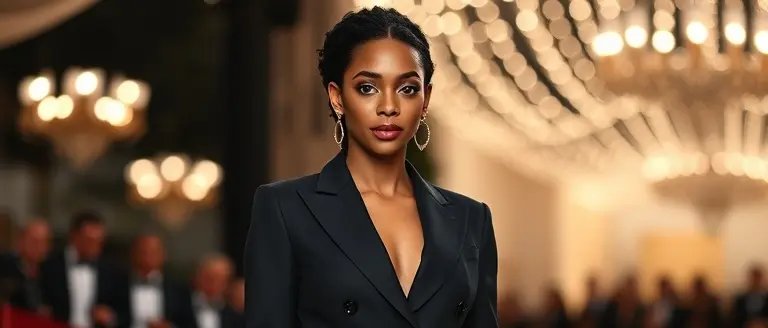
As of June 2026, Misty Copeland has successfully transitioned from the rigid, demanding structure of the American Ballet Theater (ABT) into a multifaceted role as a cultural architect. Her recent reflections, notably featured in the New York Times and the NBC Nightly News segment “Great Americans,” illuminate a departure from the stage that is less about retirement and more about reclaiming agency. Having moved past the physical toll of her historic, pain-defying Firebird performance, Copeland is now leveraging her platform to interrogate the very systems that once defined her. This shift marks a strategic evolution; she is no longer just a performer, but a vocal advocate critiquing the artistic landscape at large.
The New Cultural Anchor
Copeland’s influence in 2026 extends far beyond the proscenium. Her recent public discourse—including provocative commentary on industry standards and the accessibility of opportunities for performers like Timothée Chalamet—highlights a newfound willingness to challenge systemic inequalities within Hollywood and the broader arts community. By drawing these parallels, she forces a mainstream conversation about who receives institutional support and why. Her current initiatives reflect this broadened scope:
- Creative Curation: Her involvement in the 2026 Met Gala underscores her status as a bridge between high art, fashion, and pop culture, ensuring her voice remains central to elite aesthetic discourse.
- Systemic Advocacy: She is actively utilizing social and traditional media to demand accountability in how dance companies and film studios cast talent and provide mentorship.
- Narrative Ownership: By discussing the “physical pain” of her career with candid transparency, she is humanizing the icon, allowing the public to see the cost of excellence while signaling that her next chapter will prioritize longevity and creative autonomy.
Evidence suggests that by shedding the constraints of a lead dancer role, Misty Copeland has gained the freedom to act as a cultural anchor. Whether through her creative collaborations or her piercing institutional critiques, she is effectively redefining what a prima ballerina can achieve when they choose to move on from the stage to lead the industry conversation.
The Industry Critic: Addressing Systemic Opportunity and Pop Culture

As Misty Copeland transitions from her historic tenure as the first African American female principal dancer at the American Ballet Theatre (ABT), she has increasingly stepped into the role of a bold, uncompromising cultural commentator. No longer confined to the physical constraints of the stage, Copeland is leveraging her global platform to challenge the systemic inequities that persist within the arts and entertainment industries. Her recent public discourse reflects a maturation in her advocacy, moving beyond personal achievement toward a rigorous interrogation of how power, privilege, and access are distributed in Hollywood and elite performing arts spaces.
Challenging Institutional Narratives
A focal point of her recent commentary involves the nuanced disparity in professional opportunities, exemplified by her candid observations regarding figures like Timothée Chalamet. By highlighting such casting and industry trends, Copeland is not merely criticizing individual actors, but rather exposing the broader, often invisible barriers that limit talent based on demographic profiles. Her critiques serve as a mirror to the industry, urging stakeholders to confront the “pipeline problem” that consistently favors certain aesthetics over the foundational excellence required for true meritocracy.
Key aspects of her advocacy include:
- Systemic Transparency: Demanding that artistic institutions provide clear, equitable pathways for minority performers.
- The “Cost” of Excellence: Articulating the physical and mental toll required to overcome systemic bias, as seen in her reflections on the endurance required for her iconic Firebird performance.
- Inclusive Curation: Using her influence—such as her involvement in the 2026 Met Gala—to ensure that diverse voices are not just present, but central to the narrative of high culture.
Copeland’s evolution into a vocal critic suggests that her post-ABT chapter is less about retirement and more about an expansion of her influence. By linking her personal journey to the wider, structural critiques of pop culture, she ensures that the conversations she sparks have lasting institutional weight. Whether discussing the rigorous standards of ballet or the optics of Hollywood, Copeland remains a potent force for structural change.
Reframing the Legacy: From ‘Firebird’ to Creative Force
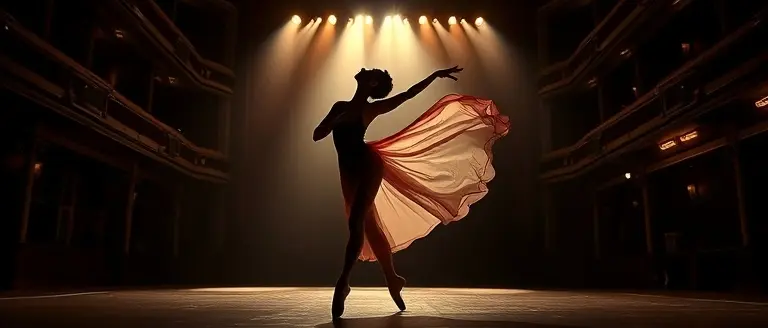
For years, the public narrative surrounding Misty Copeland was inextricably linked to her historic performance as the lead in Firebird. While this breakout role cemented her status as a trailblazer at the American Ballet Theater (ABT), recent reflections indicate that Copeland views this period not as the zenith of her journey, but as a crucible that forged her resilience. By opening up about the physical toll—the “dancing through pain” that defined her tenure—Copeland has pivoted from the silent, disciplined ballerina to a vocal cultural commentator. She is no longer just a performer to be watched; she is an architect of the industry’s future.
Evolution Beyond the Stage
Copeland’s post-ABT career demonstrates a calculated shift toward creative production and systemic advocacy. Her current trajectory emphasizes:
- Cultural Commentary: Using her platform to challenge industry norms, including recent discussions on equitable opportunities for artists in Hollywood and beyond.
- Strategic Partnerships: Expanding her influence through high-profile engagements like the 2026 Met Gala, which showcases her ability to bridge the gap between classical arts and contemporary fashion.
- Advocacy for Diversity: Actively working to dismantle the exclusionary barriers that once threatened to define her own path.
Evidence suggests that by moving beyond the constraints of the traditional company structure, Copeland is successfully transforming her legacy. She is leveraging the authority gained during her years in the spotlight to demand structural changes in how the arts are accessed and sustained. Her transition reflects a broader shift for the legendary dancer: from an individual breaking glass ceilings to a collaborative force building new foundations. This evolution ensures that her impact will be measured not just by her final bow at the ABT, but by the tangible opportunities she creates for the next generation of dancers.
The Next Chapter: Defining Success Outside the Company

For a performer of Misty Copeland’s caliber, the transition away from the American Ballet Theater (ABT) is not an end, but a strategic evolution toward total creative autonomy. After decades of mastering the rigid structures of classical ballet, Copeland is now redefining what it means to be a modern icon by trading the confines of a company hierarchy for the expansive landscape of cultural leadership. Her current trajectory—marked by high-profile projects like her involvement in the 2026 Met Gala—demonstrates a shift from being an instrument of choreography to becoming the architect of her own professional legacy. By stepping off the proscenium stage, she has successfully pivoted toward roles that demand both intellectual rigor and artistic oversight, proving that the pinnacle of a dancer’s career need not be defined solely by years spent in a corps de ballet.
Cultivating Influence Through Advocacy and Creative Freedom
Copeland’s post-ABT life serves as a vital blueprint for the next generation of performers, emphasizing that influence can be wielded through voice as much as movement. Her recent media presence, including her candid reflections on the physical toll of her historic Firebird performance, humanizes the demands of the craft while simultaneously pushing for industry-wide reform. She is effectively leveraging her platform to interrogate systemic barriers, as evidenced by her recent public discourse regarding opportunity gaps in Hollywood. Her current work centers on several core pillars:
- Strategic Mentorship: Actively guiding young dancers through initiatives that prioritize technical excellence alongside professional self-advocacy.
- Cultural Commentary: Utilizing her stature to challenge industry standards, such as her thought-provoking critiques on the distribution of artistic roles and opportunities.
- Creative Curation: Engaging with global platforms, such as the Met Gala, to bridge the gap between high art, fashion, and accessible pop culture.
This multifaceted approach ensures that Misty Copeland remains a dominant force in the arts. By transitioning into roles that emphasize philanthropy, writing, and advocacy, she ensures her impact on the dance world remains durable, independent of her final bow at a traditional institution.
Mastering Your Own Creative Encore
Misty Copeland’s journey from the stage to the center of cultural discourse reminds us that high performance is not a destination, but a lifelong discipline. Whether you are transitioning between career phases or simply seeking to reclaim your edge, the ability to maintain cognitive clarity under pressure is the ultimate competitive advantage. Just as Copeland balances the physical rigors of her past with the strategic demands of her future, you too require a mental framework that can sustain your own creative evolution.
To navigate these shifts effectively, you must clear the mental fog that inevitably accompanies significant life transitions. This is where The Brain Song becomes an essential tool. By utilizing neuroscience-based auditory stimulation, this program provides the cognitive discipline and mental focus necessary to thrive in high-stakes environments. It is designed to support high-performers by mitigating mental fatigue and sharpening learning capacity, effectively acting as the ‘behind-the-scenes’ training for your mind. It is the perfect partner for your personal or professional encore.
Don’t let exhaustion stifle your next big move. Integrate this advanced tool into your daily routine and experience the clarity required to perform at your absolute peak.
 Discover how a 12-minute daily audio routine can sharpen your mental clarity and support your next creative chapter.Yes, I Want This Now!