
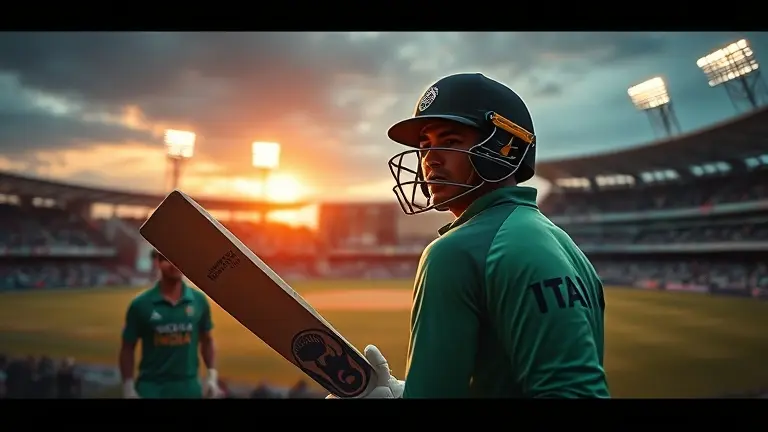
June 26, 2026, will be etched into the annals of cricket history as the day the landscape of international sport shifted permanently. At the Stormont Cricket Ground in Belfast, the underdog Ireland cricket team achieved the unthinkable, defeating the reigning T20I world champion India by a stunning 34 runs. While the air was thick with anticipation—much of it centered on the controversial decision to bench teenage prodigy Vaibhav Sooryavanshi—the actual contest delivered a tactical masterclass from the hosts that left the Indian national cricket team scrambling for answers.
This was more than just a surprising ireland vs india scorecard; it was a profound failure of execution from the visitors against an Irish side that played with clinical precision. In this deep-dive, we move past the shock of the result to analyze the specific tactical breakdown of the match, the ripple effects of the selection debate, and what this landmark win signals for the future trajectory of Irish cricket on the global stage.
A Historic Milestone: Ireland’s First-Ever Victory Over India
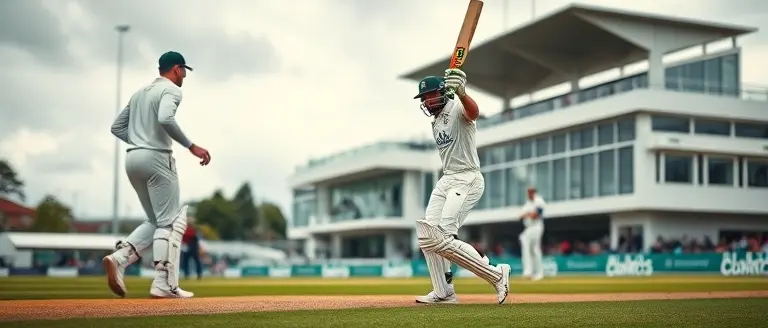
On June 26, 2026, the Stormont Cricket Ground in Belfast became the site of a seismic shift in the global cricketing landscape. In a result that stunned spectators and pundits alike, the Ireland national cricket team secured their first-ever victory against the India national cricket team in men’s international cricket. Entering the contest as the reigning T20I world champions, India was widely expected to dominate the series opener. However, the Irish side dismantled that narrative, clinching a clinical 34-run victory that will be remembered as a watershed moment for the sport in the region.
The atmospheric tension at Stormont was palpable from the first ball, fueled by a partisan home crowd and the weight of history. While the ind vs ireland fixture has occurred frequently in recent years, the gap between the two sides had historically remained wide. This match defied those expectations, as Ireland’s disciplined bowling attack effectively suffocated the Indian batting lineup. The significance of this win cannot be overstated; it signals a maturing Irish squad capable of competing at the highest level, while simultaneously forcing a re-evaluation of India’s current tactical dominance on foreign soil.
The Anatomy of the Upset
- Tactical Execution: Ireland’s bowlers exploited the pitch conditions at Stormont with precision, maintaining tight lines that restricted India’s power hitters.
- The World Champion Collapse: Despite their status as the world’s best T20I side, India struggled to build partnerships, ultimately failing to reach the required target.
- Historical Context: Prior to this 34-run defeat, the ireland cricket team vs india national cricket team match scorecard had been heavily lopsided, making this victory a monumental milestone.
For many fans, the pre-match focus had been almost entirely fixated on the potential debut of teenage prodigy Vaibhav Sooryavanshi. The absence of the young star from the playing XI only added to the narrative complexity of the day, as the media fallout shifted from “debut anticipation” to “post-mortem analysis” of India’s selection strategy. This 34-run loss serves as a stark reminder of the parity emerging in the shortest format of the game, where the gap between tier-one giants and rising nations continues to narrow in dramatic fashion.
Tactical Breakdown: Deconstructing the 34-Run Defeat

The ireland vs india clash at the Stormont Cricket Ground will long be remembered as a masterclass in disciplined execution versus tactical complacency. While India entered the contest as the reigning T20I world champions, their 34-run defeat was not merely a result of individual errors, but a failure to adapt to the specific nuances of the Belfast conditions. Ireland’s bowling attack exploited the surface with precision, maintaining a stump-to-stump line that stifled the Indian top order during the crucial powerplay overs. By constantly challenging the batters’ technique on a track that offered modest movement, the Irish bowlers forced the visitors into a defensive shell, effectively strangling the scoring rate early in the innings.
Strategic Failures and Spin Dynamics
The failure of the Indian middle-order to anchor the chase proved to be the decisive factor in this ind vs ireland encounter. Once the primary aggressors were removed, the middle-order struggled to rotate the strike against Ireland’s clever use of spin. The Stormont pitch, which historically demands subtle variations in pace and flight, saw the Irish spinners utilize their home advantage to perfection. India’s inability to negate these variations resulted in an accumulation of dot balls, which built insurmountable pressure on the required run rate.
Key tactical takeaways from the match include:
- Powerplay Dominance: Ireland’s seamers successfully exploited early swing, limiting India’s boundary-hitting opportunities.
- Spin Versatility: The Irish bowling unit employed a defensive-to-attacking shift in spin, catching the Indian batters off guard.
- Middle-Order Stagnation: A lack of clear game plans for building a partnership allowed the required run rate to spiral beyond reach.
- Surface Adaptation: The ireland cricket team vs india national cricket team match scorecard reflects a failure by India to pivot to a “small-ball” approach, choosing instead to force boundaries against high-pressure deliveries.
Ultimately, this result highlights the growing parity in international cricket. While the absence of high-profile debutants like Vaibhav Sooryavanshi dominated the pre-match headlines, the tactical loss exposed a deeper need for India to reconsider its squad rotation strategy when facing disciplined associate-nation bowling attacks in challenging away conditions.
The ‘Sooryavanshi Effect’: Selection Controversies and Fan Outcry

The buildup to the ireland vs india series was dominated by a singular, intense narrative: the potential international debut of teenage sensation Vaibhav Sooryavanshi. Widely touted as a generational talent, his inclusion in the touring squad sparked feverish speculation across social media and cricket forums. For many fans, the match at the Stormont Cricket Ground represented the perfect stage to blood the youngster against a rising Irish side. However, when the official playing XI was released without his name, the backlash was immediate. The management’s choice to opt for a more experienced, conservative lineup left a significant portion of the fanbase feeling frustrated, fueling a debate about whether the team is prioritizing stability over necessary experimentation.
Distraction or Discretion? The Management Dilemma
Critics argue that the obsessive focus on the Sooryavanshi effect inadvertently created a toxic environment that distracted from the fundamental preparation required for the india vs ireland contest. While management defended the decision by citing the need for tactical consistency following their T20I world championship run, the optics of the loss have made their methodology appear stagnant. Key concerns raised by analysts following the ind vs ireland defeat include:
- Resource Mismanagement: The internal debate over whether to draft in the prodigy took precedence over analyzing the specific bowling conditions in Belfast.
- Selection Rigidity: By sticking to a rigid formula, the leadership failed to adapt to an Irish side that had clearly scouted the Indian batting order’s known vulnerabilities against high-pace movement.
- Public Perception: The exclusion of a high-interest player like Sooryavanshi shifted the discourse from team strategy to accountability, putting unnecessary pressure on the senior players to perform under a microscope.
Ultimately, the controversy surrounding the ireland cricket team vs india national cricket team match scorecard serves as a case study in the risks of prioritizing status quo over tactical evolution. Whether the decision to bench Sooryavanshi was a cautious development plan or a missed opportunity to inject fresh energy into the squad remains a point of contention. What is clear, however, is that the intense speculation surrounding his absence provided a narrative backdrop that magnified the frustration surrounding India’s historic 34-run loss.
Looking Ahead: The Long-Term Impact on Irish Cricket
The historic ireland vs india result at Stormont is more than a singular statistical anomaly; it serves as a watershed moment that could fundamentally alter the trajectory of Irish cricket. By defeating the reigning T20I world champions, the Ireland national cricket team has provided an empirical blueprint for how associate and emerging full-member nations can bridge the tactical gap against cricket’s elite. This victory proves that disciplined bowling and clinical execution under pressure can neutralize even the most star-studded lineups, a lesson that will undoubtedly bolster the confidence of the squad in future high-stakes encounters.
Catalyzing Growth and Investment
The long-term success of this win depends on how Cricket Ireland leverages this momentum to secure infrastructure and financial stability. Significant sporting upsets often serve as a catalyst for:
- Increased Domestic Participation: A surge in interest among local youth, potentially turning cricket into a more mainstream pursuit in Ireland.
- Commercial Viability: Enhanced sponsorship opportunities and broadcasting interest that could provide the capital needed to professionalize domestic league structures.
- ICC Standing: Improved credibility and bargaining power within the International Cricket Council, potentially leading to more frequent fixtures against top-tier nations.
While the absence of Vaibhav Sooryavanshi from the india vs ireland match dominated pre-match discourse, the Irish victory proved that focusing on team cohesion over individual star power is a winning strategy. To ensure the sustainability of this growth, Ireland must transition from being a “giant killer” to a consistent, competitive force. This requires investment in grassroots development and the continuation of aggressive scouting programs to replicate the depth displayed in this series. By proving they can dismantle the india national cricket team in a match scorecard that will be analyzed for years, Ireland has signaled that they are no longer just participants on the global stage, but legitimate contenders capable of disrupting the established hierarchy of world cricket.
Master Your Analysis of the Game
The historic result at Stormont serves as a stark reminder that even the most dominant teams can falter when tactical discipline slips under pressure. For the Indian national cricket team, this loss is a sobering lesson; for Ireland, it is a definitive marker of their arrival on the world stage. As we dissect the nuances of the match scorecard and the tactical debates that defined this encounter, it becomes clear that success—both on the pitch and in the grandstands—is a battle of mental endurance.
Just as the Indian squad struggled to maintain their tactical edge under the immense pressure of a roaring Belfast crowd, fans often find their own concentration waning when trying to process complex, multi-layered sporting outcomes. To truly decode the strategies that led to this historic upset, you need peak cognitive performance. Whether you are analyzing player rotations or tracking live-streaming stats, your ability to retain and synthesize information is your greatest asset.
The Brain Song acts as an analytical accelerator, designed specifically to help you bypass cognitive fatigue and sharpen your mental clarity. By integrating this 12-minute daily routine into your life, you ensure that your focus remains as precise as a perfectly placed yorker, allowing you to extract deeper value from every piece of sports analysis you consume. Don’t just watch the next match; understand it with total clarity.
 Optimize your focus for the next big match—sharpen your mental edge with The Brain Song’s 12-minute daily routine.Yes, I Want This Now!