
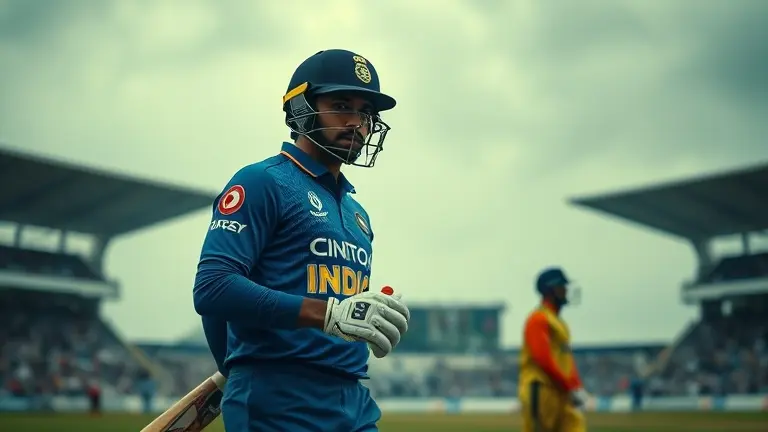
The Stormont Cricket Ground in Belfast is set for a high-voltage showdown as the ire vs ind series kicks off today, June 26, 2026. This T20I opener is far from a routine fixture; it marks a watershed moment for Indian cricket as Shreyas Iyer takes the reins as full-time captain. With the sporting world’s eyes fixed on his leadership debut, all eyes are also glued to the potential inclusion of 15-year-old batting sensation Vaibhav Sooryavanshi. The electric anticipation is palpable, even as dark clouds hover over Belfast, threatening to turn this tactical masterpiece into a rain-curtailed test of endurance.
Beyond the scorecard, this series represents a fundamental shift in the Indian squad’s developmental pipeline. Fans and analysts are eager to see if Iyer’s aggressive tactical approach can overcome the uncertainty of the Irish conditions. As we provide real-time updates on weather disruptions and strategic breakthroughs, we invite you to look deeper. Success in this series—both on the field and in your own analytical pursuit—demands acute mental clarity and the ability to process complex, shifting variables in real-time.
IRE vs IND 1st T20I: A High-Stakes Clash at Stormont
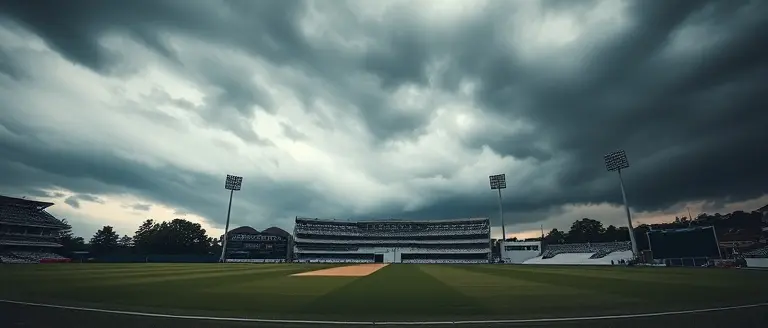
The IRE vs IND 1st T20I at the historic Stormont Cricket Ground in Belfast arrives at a pivotal intersection for Indian cricket. As the squad prepares for the June 26, 2026, encounter, all eyes are fixed on the skies above Belfast. Local meteorological reports indicate a high probability of thunderstorms and intermittent rain, creating significant uncertainty regarding the match’s start time and potential for overs to be reduced. Fans and analysts alike are closely monitoring official updates, as even a short window of play could prove vital for the team’s long-term tactical development.
Leadership Transitions and Youth Integration
This series serves as the formal coronation of Shreyas Iyer as the full-time captain of the Indian T20I side. Stepping into this role, Iyer faces the immediate challenge of balancing a strategic pivot toward the 2028 objective with the need for competitive results in European conditions. The inclusion of 15-year-old batting prodigy Vaibhav Sooryavanshi in the traveling squad has ignited global interest, with many experts viewing this potential debut as a watershed moment for Indian talent scouting. Whether Sooryavanshi earns his maiden cap today remains the primary talking point for pundits, as his presence signifies a aggressive shift toward youth integration.
Strategic Expectations
- Captaincy Debut: Shreyas Iyer is tasked with defining a new, proactive brand of cricket that distinguishes his tenure from previous regimes.
- Weather Impact: Given the Belfast climate, team management must remain agile, as Duckworth-Lewis-Stern (DLS) calculations may heavily influence tactical decisions during the middle overs.
- Pipeline Development: The focus remains on identifying core players capable of anchoring India’s performance in the lead-up to future World Cups.
The atmosphere at Stormont is electric, reflecting the weight of expectations on both the captain and the newcomers. Regardless of weather-induced disruptions, this match stands as a vital benchmark for India’s future strategic direction.
The Iyer Era: Tactical Shifts in India’s Leadership

The ire vs ind T20I series marks a definitive departure from the conservative tactical frameworks seen in previous regimes. As Shreyas Iyer takes the helm as full-time captain, the Indian cricket team is signaling a transition toward a high-aggression, data-backed approach tailored for the 2028 cycle. Unlike his predecessors, who often relied on established senior-heavy rotations, Iyer is expected to implement a “match-up” centric strategy, prioritizing favorable bowling rotations based on real-time surface conditions and hitter vulnerabilities rather than fixed-role assignments.
Strategic Adjustments in Bowling and Youth Integration
Under Iyer’s leadership, the tactical focus shifts heavily toward squad versatility. Observers note that the inclusion of young talents like Vaibhav Sooryavanshi suggests a mandate to prioritize growth and “fearless cricket” over defensive playing configurations. Key tactical shifts expected during the tour of Ireland include:
- Fluid Bowling Rotations: Expect aggressive usage of spin-bowling options in the middle overs to exploit the conditions at Stormont, moving away from pace-heavy reliance.
- Tactical Flexibility: A proactive approach to batting order changes, specifically floating power hitters to maximize short-boundary opportunities.
- Developmental Benchmarking: Iyer is clearly tasked with assessing the readiness of the next-gen pipeline, utilizing this series to stress-test players in high-pressure scenarios that mirror future international tournaments.
The shift toward this decentralized, analytical style of play highlights a broader organizational effort to broaden India’s pool of match-winners. By empowering younger players, Iyer aims to remove the “fear of failure” that has occasionally hindered the side in recent major tournaments. While the weather in Belfast remains an unpredictable factor, the underlying strategy is clear: this series is about building a scalable framework that favors adaptability, ensuring that the Indian team remains competitive and unpredictable on the global stage.
Vaibhav Sooryavanshi: Spotlight on the 15-Year-Old Prodigy

The buzz surrounding the ire vs ind T20I series in Belfast has centered largely on the potential international debut of Vaibhav Sooryavanshi. At just 15 years old, the batting prodigy has transitioned from domestic age-group cricket to the senior national squad at a speed that has left analysts stunned. His inclusion is not merely a token gesture; it represents a calculated gamble by the Indian selection committee to identify and groom talent for the 2028 World Cup cycle. Sooryavanshi’s domestic metrics have been nothing short of extraordinary, characterized by high strike rates and an ability to dismantle spin-heavy attacks, which has historically been a prerequisite for success in international cricket.
Technical Prowess and Expert Assessment
Observers often highlight his unorthodox yet highly efficient batting technique. Unlike many power-hitters of his generation, Sooryavanshi demonstrates a mature understanding of pitch conditions and tactical field placements. Key strengths that have fast-tracked his career include:
- Elite Hand-Eye Coordination: Consistent ability to find gaps under high-pressure scenarios.
- Adaptability: Proven track record of adjusting his backlift to handle both pace and lateral movement on swinging wickets.
- Mental Toughness: Ability to remain composed during high-stakes partnerships, a trait rarely seen in players of his age bracket.
Strategic Implications of Early Integration
Introducing a 15-year-old into the high-octane environment of a professional tour carries inherent risks, yet the benefits could be transformative. By blooding Sooryavanshi during this ire vs ind series, the Indian management is providing him with essential exposure to international travel, scouting pressures, and locker room dynamics under the new leadership of Shreyas Iyer. If he performs, he could secure a long-term spot in the middle order. Conversely, if the intensity proves premature, the team must be prepared to manage the psychological fallout. For now, all eyes are on whether the teenager will be given the nod in the playing XI, marking a potential “historic” shift in how India nurtures its next generation of cricketing superstars.
Navigating Belfast’s Weather: Live Match Scheduling Updates

The ire vs ind 1st T20I at the Stormont Cricket Ground has become a focal point for weather-related anxiety, as localized thunderstorms in Belfast frequently threaten to disrupt play. Navigating these conditions requires fans to rely on hyper-local updates, as coastal weather patterns in Northern Ireland are notoriously volatile and can shift within minutes. For real-time match status, we recommend monitoring official feeds from Cricket Ireland and the BCCI, as well as live blogs from platforms like Cricbuzz, which provide granular updates on ground conditions and potential delays.
Understanding DLS Implications
When rain interrupts play during the ire vs ind series, the Duckworth-Lewis-Stern (DLS) method becomes the definitive factor in determining match outcomes. Because the 1st T20I is a high-stakes contest featuring Shreyas Iyer’s captaincy debut and the potential induction of Vaibhav Sooryavanshi, fans should understand how DLS adjusts targets:
- Resource Preservation: DLS calculations weigh both wickets remaining and overs left, meaning teams batting first often prioritize preserving wickets to keep their scoring rate high if the match is truncated.
- Par Scores: If rain stops play, officials will calculate a ‘par score.’ If the chasing team is above this threshold, they win; if below, they lose.
- Match Abandonment: Should the weather be too severe for a minimum of five overs per side, the match may be declared a “No Result,” a disappointing outcome for those tracking this pivotal transition period for the Indian squad.
To stay updated, prioritize sources that offer direct links to the match center. Avoid relying on generic forecast apps, as they often fail to capture the micro-climate effects specific to the Stormont venue. Keeping an eye on the official broadcast updates will provide the most accurate timeline for any resumption of play, ensuring you do not miss the tactical shifts planned by the Indian team as they look toward their 2028 strategic objectives.
Elevate Your Analytical Edge
As the Stormont series unfolds, the tactical chess match between Shreyas Iyer’s leadership and the unpredictable Irish conditions will demand more than just passive viewing. Whether you are dissecting the debut of a teenage prodigy or analyzing the nuances of death-over bowling, the depth of your insight depends entirely on your mental sharpness. Watching cricket at this level is a cognitive challenge; keeping pace with complex shifts requires peak concentration.
Just as the Indian team requires unwavering focus to navigate the pressures of a high-stakes series, you need that same mental agility to decode the game’s complexities. This is where The Brain Song becomes your ultimate analytical companion. By dedicating just 12 minutes a day to this routine, you sharpen your cognitive focus, allowing you to synthesize statistical data and tactical maneuvers faster than the competition. It is the natural edge for the modern fan who refuses to just watch, but wants to truly understand.
Don’t let the nuances of the game slip by while you are mentally fatigued. Whether you are tracking the match through stormy skies in Belfast or analyzing the future of Indian cricket, give your brain the clarity it deserves. Transform your viewing experience and stay ahead of the curve.
 Sharpen your focus to follow the game’s tactical shifts—try The Brain Song’s 12-minute daily routine to enhance your analytical edge.Yes, I Want This Now!