
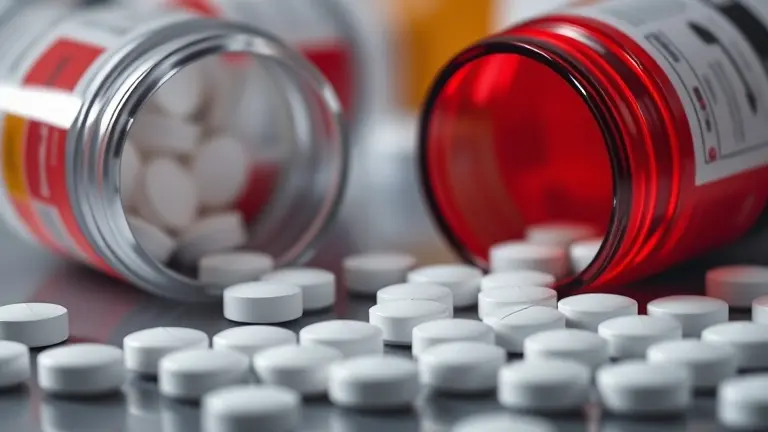
If you or a loved one rely on Chlorthalidone to manage high blood pressure, recent news of a voluntary recall may have caused immediate alarm. In June 2026, Inventia Healthcare Limited issued a recall for 11,460 bottles of Chlorthalidone Tablets, USP, 25 mg, citing concerns over \”failed dissolution specifications.\” For the millions of Americans managing cardiovascular health, the word \”recall\” often implies a direct safety threat; however, it is essential to understand that this is a matter of medication efficacy rather than a toxic contamination.
What does this mean for your daily routine? Simply put, a failure in dissolution means the tablets may not break down correctly in the body, potentially leaving your blood pressure levels inadequately controlled. While this news can be unsettling, you are not without options. This guide will help you identify if your medication is affected, clarify the vital steps you need to take with your pharmacist, and provide you with actionable advice to maintain your peace of mind while your prescription is resolved.
,slug:
Understanding the June 2026 Chlorthalidone Recall

In June 2026, a significant voluntary recall was initiated by Inventia Healthcare Limited concerning 11,460 bottles of Chlorthalidone Tablets, USP, 25 mg. This nationwide recall in the United States serves as a critical quality-control measure to ensure that patients receive medication that meets strict pharmaceutical standards. Unlike recalls triggered by contamination, toxicity, or foreign particles, this specific action is centered entirely on failed dissolution specifications.
What Failed Dissolution Means for Patients
When a medication fails to meet dissolution requirements, it means the tablet may not break down or dissolve in the digestive system at the rate intended by the manufacturer. If a tablet does not dissolve correctly, the body may not absorb the necessary dosage of the active ingredient, potentially rendering the Chlorthalidone less effective at managing high blood pressure (hypertension). It is vital to note that this is not a safety hazard involving toxic impurities; rather, it is a matter of therapeutic efficacy.
Scope of the Recall
The recall affects specific batches of medication distributed across the country. To help identify if your supply is included, keep the following details in mind:
- Product Name: Chlorthalidone Tablets, USP, 25 mg.
- Manufacturer: Inventia Healthcare Limited.
- Affected Quantities: The recall covers bottles containing 100 tablets and 1,000 tablets.
- Nature of the Recall: This is a voluntary action taken to protect consumer health by ensuring consistent blood pressure control.
Patients using this medication should be aware that the primary concern is the potential for a decrease in the drug’s effectiveness. If you are currently prescribed this medication, it is important to verify your bottle’s information against the official recall list provided by the FDA or your pharmacy, but you should not abruptly discontinue your treatment without first consulting with your primary healthcare provider. Consistent blood pressure management is essential, and your doctor can provide guidance on whether your specific supply is affected and how to proceed with a replacement.
Patient Safety Checklist: What You Need to Do

If you are currently prescribed chlorthalidone, it is essential to remain calm and follow a systematic approach to ensure your health is protected during this chlorthalidone recall. Because this recall is based on “failed dissolution specifications,” the primary concern is not toxic contamination, but rather the risk that the medication may be less effective at managing your blood pressure.
Immediate Steps for Patients
To determine if your medication is part of the 11,460 bottles affected by the Inventia Healthcare Limited recall, follow these steps:
- Check Your Label: Examine your prescription bottle for the manufacturer name. Only bottles labeled as Chlorthalidone Tablets, USP, 25 mg, manufactured by Inventia Healthcare, are subject to this recall.
- Locate the Lot Number: Find the lot number and expiration date printed on the bottle label. Compare these details against the official list provided by your pharmacy or the FDA recall database.
- Consult Your Healthcare Provider: Under no circumstances should you stop taking your blood pressure medication abruptly. Stopping abruptly can lead to a dangerous spike in blood pressure. Always speak with your doctor before making any changes to your prescribed regimen.
- Verify with Your Pharmacy: If you suspect your medication is part of the recall, contact your pharmacy immediately. Pharmacists can confirm if your specific batch is affected and facilitate the process for a safe, non-recalled replacement.
Managing Your Prescription Continuity
Maintaining consistent therapy is vital for hypertension management. When you speak with your physician or pharmacist, ask about the immediate availability of a replacement supply. If your pharmacy does not have an alternative in stock, your doctor may suggest a temporary therapeutic equivalent or provide guidance on how to monitor your blood pressure at home while awaiting the replacement. Keep your original bottle until you have spoken to a professional, as it contains the necessary identifying information required for a return or exchange. Taking these proactive steps ensures you remain in control of your health while addressing the manufacturer’s quality concerns.
What Does ‘Failed Dissolution’ Mean for Your Medication?
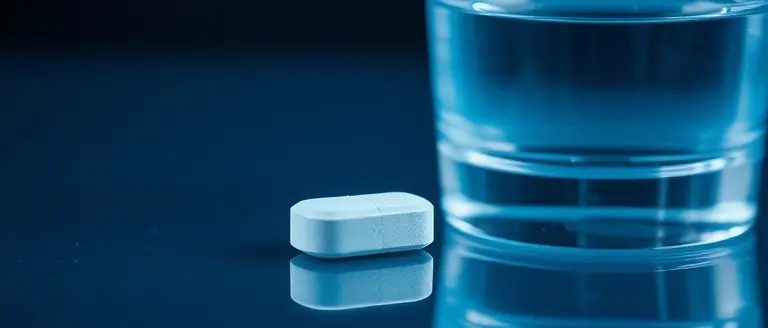
When you hear that your prescription medication is undergoing a chlorthalidone recall due to “failed dissolution specifications,” it is natural to feel concerned. However, it is important to understand that this is primarily a matter of therapeutic efficacy rather than a safety hazard involving contamination or toxic ingredients. In the pharmaceutical industry, dissolution refers to the critical process of a tablet breaking down in your digestive tract so that your body can absorb the active medication into your bloodstream.
Understanding the Dissolution Process
For a drug like Chlorthalidone to effectively regulate your blood pressure, it must be released and absorbed at a specific, standardized rate. When a batch fails dissolution testing, it means the tablets are not breaking down as intended. Because the medication does not dissolve properly, your body may not receive the full dose required to manage your hypertension effectively.
Key points to understand regarding this specific recall include:
- Efficacy vs. Toxicity: The chlorthalidone recall by Inventia Healthcare is not because the pills are poisonous, contain impurities, or carry a risk of allergic reaction. It is purely because the pills may not work as efficiently as they should.
- The Main Risk: The primary concern is that your blood pressure may not remain in the target range while using these specific tablets.
- Controlled Absorption: Dissolution specifications ensure that medications are consistent. If a tablet dissolves too slowly or not at all, you might be receiving a sub-therapeutic dose, which is why the manufacturer issued this voluntary recall to ensure patients receive consistent, reliable medicine.
If you are concerned about your blood pressure control, do not assume your medication is ineffective, but monitor your readings closely. Contact your pharmacist or primary care physician to verify if your specific lot number is affected and to discuss whether a replacement is necessary to maintain your health.
Frequently Asked Questions About the Recall

Will my insurance cover the replacement of my medication?
In most cases, patients should not face financial penalties for replacing medication subject to a voluntary recall. Because this chlorthalidone recall is initiated by the manufacturer, Inventia Healthcare Limited, to ensure product quality, pharmacies are generally equipped to process an exchange or a new prescription without requiring an additional co-pay. If you encounter issues at your pharmacy, contact your insurance provider or the pharmacy manager to explain that the replacement is due to a manufacturer-level product recall.
Is it dangerous if I have already taken a dose from an affected lot?
It is natural to feel anxious when you hear about a pharmaceutical recall, but it is important to understand the nature of this specific issue. The recall is due to “failed dissolution specifications,” meaning the tablets may not break down in the body as quickly or efficiently as intended. This does not mean the medication is toxic or contaminated. Evidence suggests that the primary risk is a potential lack of therapeutic effectiveness rather than an immediate safety hazard. If you have already ingested these tablets, do not panic; simply monitor your blood pressure at home as you normally would and contact your healthcare provider for guidance on whether you need a dosage adjustment or simply a replacement prescription.
How quickly should I seek a replacement?
While there is no reason for emergency alarm, you should address this issue promptly to maintain consistent blood pressure control. You do not need to visit an emergency room, but you should call your primary care physician or your local pharmacist within the next few business days. They can verify if your specific lot number is affected and facilitate the transition to a new, non-recalled batch of medication.
- Consultation First: Always speak with your doctor before stopping your medication entirely.
- Documentation: Keep your current bottle, as the lot number on the packaging is essential for the pharmacy to verify your eligibility for a replacement.
- Monitoring: If you experience any symptoms such as dizziness or sudden changes in blood pressure, notify your medical team immediately to discuss an alternative treatment plan.
Proactive Steps for Your Cardiovascular Wellness
While a pharmaceutical recall can understandably trigger concern, this specific Chlorthalidone issue is a matter of quality control regarding tablet dissolution, not a safety hazard. The most critical takeaway is to remain calm, verify your specific bottle, and maintain open communication with your healthcare provider to ensure your prescription remains effective. Never discontinue your blood pressure medication without professional medical guidance.
As you navigate this medication update, many patients are looking for complementary, heart-healthy habits to maintain their cardiovascular wellness and peace of mind. During these transitions, incorporating natural support into your daily regimen can help you feel more in control of your health. This is where Cardio Slim Tea offers a valuable, stimulant-free approach to supporting your metabolic vitality and healthy blood pressure levels naturally.
Choosing a plant-based, natural support tool provides you with a consistent way to focus on your heart health, regardless of external supply chain fluctuations. Cardio Slim Tea is specifically formulated to be a congruent, natural-fit solution that works alongside your standard medical care, helping you stay grounded while your physician resolves your prescription status. Taking this step today allows you to reclaim a sense of agency over your own wellness journey.

Discover how Cardio Slim Tea can provide natural, plant-based support for your cardiovascular routine while you navigate this medication update.Support My Heart Health Today