

The 2026 FIFA World Cup is at a boiling point, and every minute counts. As we reach the final round of the group stage, the stakes for Group E and Group F have never been higher. Fans everywhere are frantically searching for the latest world cup standings to decipher which nations will secure their path to the Round of 32 and which will face the heartbreak of early elimination. With qualification scenarios changing in real-time, the pressure to accurately parse the standings has reached an all-time peak.
Navigating the complex 2026 tournament format requires precision, especially when tracking the delicate balance of points, goal differences, and the crucial ‘third-place’ berth advancements. In this high-intensity environment, mental fatigue can easily turn a simple look at the world cup standings today into a confusing chore. We have designed this guide to provide you with a clear, reliable breakdown of group f standings and Group E, ensuring you don’t miss a beat as the most dramatic phase of the tournament unfolds before your eyes.
2026 World Cup Group Stage: Qualification Race Today

The June 25, 2026, landscape marks a defining moment in the tournament as the group stage reaches its thrilling conclusion. With world cup standings today shifting by the minute, the pressure is immense for nations competing in Group E standings and Group F standings. As the opening round draws to a close, teams are no longer just playing for points; they are battling for survival and a coveted position in the Round of 32. Navigating the world cup standings requires an understanding of both direct head-to-head records and the complex tie-breaking procedures essential for third-place advancement.
High-Stakes Battles in Groups E and F
In Group E, the field remains wide open, with Germany, Curacao, Ivory Coast, and Ecuador all mathematically alive. Every goal differential matters significantly, as the race for the top two spots—and the chance for a best third-place finish—intensifies. Similarly, in Group F, the Netherlands and Japan are under immense scrutiny as they look to secure their knockout bracket placements. Fans are closely monitoring these fixtures to determine which nations will carry momentum into the high-stakes elimination phase.
Understanding Qualification Scenarios
To stay updated on the world cup standing shifts, keep these critical factors in mind regarding the 2026 format:
- Points and Goal Difference: When teams finish level on points, the primary tie-breaker is overall goal difference, followed by total goals scored.
- Third-Place Berths: With the expanded tournament field, the eight best third-place finishers across all groups earn a spot in the Round of 32. This adds another layer of complexity to the group f and group e standings, as teams must track results in other groups to gauge their qualification safety.
- Live Adjustments: Results occurring simultaneously mean the “live” table is fluid. A single late-game goal can instantly catapult a team from elimination to the top of the bracket.
As the matches progress throughout the day, these tables serve as your primary resource for real-time qualification tracking and projecting the upcoming Round of 32 matchups.
Group E: Current Standings and Qualification Scenarios
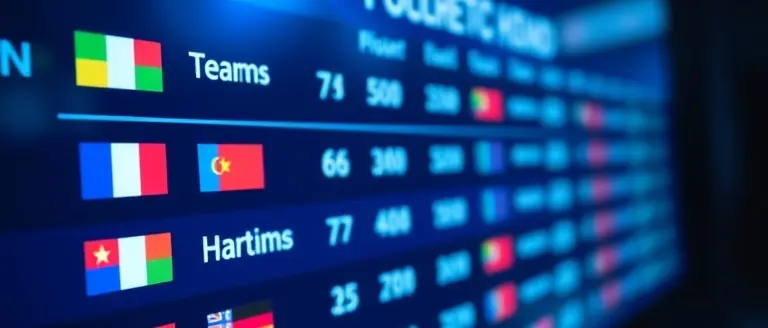
As the 2026 FIFA World Cup reaches its high-stakes conclusion, Group E standings have become the primary focus for fans tracking the path to the Round of 32. With Germany, Curacao, Ivory Coast, and Ecuador battling for position, the final matchday brings a complex set of permutations that will define the knockout bracket. Because the 2026 tournament format awards advancement to the best third-place finishers, every goal differential and head-to-head outcome carries significant weight for teams sitting on the bubble. Monitoring the world cup standings today is essential, as the live table shifts rapidly with every stoppage-time goal, directly influencing whether a nation secures a favorable path in the bracket or faces an early exit.
Qualification Scenario Tracker
To clarify the stakes for the final matchday, we have broken down the specific requirements for each side in Group E. These scenarios dictate the tactical approach for each manager as they navigate the pressure of the tournament:
- Germany: Currently leading the group, they secure the top seed with a win or a draw. Even a narrow loss could see them advance on goal difference, provided other results in Group E go their way.
- Curacao: A dark horse in this tournament, they must secure a victory to guarantee advancement. A draw keeps their hopes alive but requires a favorable goal-difference comparison against other third-place teams across the tournament.
- Ivory Coast: They control their own destiny; a win secures a spot in the Round of 32 regardless of other outcomes. They are aggressively chasing points to avoid the uncertainty of the third-place qualifying ranking.
- Ecuador: Currently facing the steepest climb, Ecuador must win and likely hope for a decisive scoreline to overcome the current goal differential disadvantage. They are strictly focused on an “all-in” offensive strategy to keep their World Cup dreams alive.
These scenarios illustrate why world cup standing updates are so critical for viewers. With the potential for tie-breakers to reach the criteria of fair play points, every discipline on the field matters just as much as the final score. Keep a close watch on these fixtures, as the final whistle will confirm the definitive standings and set the stage for the next phase of the competition.
Group F: Standings and Elimination Stakes
As the final whistle approaches for the group stage, the world cup standings today for Group F have reached a fever pitch. With powerhouses like the Netherlands and Japan battling for supremacy, the margins between automatic qualification for the Round of 32 and early elimination have never been thinner. Fans tracking the group f standings must pay close attention to goal differential and head-to-head results, as these metrics will likely serve as the ultimate tie-breakers in this tightly contested bracket. Real-time updates remain essential, as the live world cup standings fluctuate with every goal scored across simultaneous matches.
Group F Scenario Tracker
To navigate the complex advancement rules of the 2026 format, consider the following qualification pathways for each nation currently competing in this high-stakes group:
- The Netherlands: A win or a draw against their final opponent guarantees a spot in the knockout stage. Even with a loss, their superior goal difference likely secures them a top-two finish.
- Japan: Having secured significant points in earlier fixtures, Japan is in a strong position. They advance with a win, though a loss requires favorable results elsewhere to avoid dropping into the precarious third-place qualification pool.
- Third-Place Contenders: Teams currently sitting in the third spot are monitoring the group e standings and other groups to determine their path. To advance as one of the best third-place teams, a side must maximize their total points and maintain a strong positive goal difference to satisfy the FIFA criteria for ranking third-place finishers.
- Elimination Stakes: Any team entering their final match with zero or one point faces a “must-win” scenario. Failing to secure three points in this round will officially conclude their tournament run, as they would be unable to mathematically overtake the current leaders.
This high-intensity closing phase ensures that the final day of Group F play will be a deciding factor in the path to the trophy. Viewers should keep refreshing the world cup standing tables to stay current on all live developments.
Understanding the Round of 32 Bracket Path

As the world cup standings today shift during this final group stage window, the path to the Round of 32 becomes increasingly clear. For teams emerging from Group E standings and Group F standings, the bracket placement is determined not just by their final position, but by a complex matrix designed to balance the knockout stage. Top-tier nations like the Netherlands and Germany are currently tracking their potential opponents, knowing that a win or a draw could significantly alter their difficulty trajectory through the tournament. Because the 2026 format introduces a larger field, the margin for error is razor-thin, and even goal differential is now a critical tie-breaker influencing seeding.
How Third-Place Finishers Advance
A common point of confusion for fans navigating the world cup standings is the advancement criteria for third-place teams. Under the current FIFA regulations, the top eight third-place finishers across all groups earn a spot in the Round of 32. This process relies on a direct comparison of points, followed by goal difference and total goals scored. Fans tracking Group E and Group F should monitor these metrics closely:
- Points First: Total points earned in all three group matches remain the primary separator.
- Goal Differential: If points are level, the net result of goals scored minus goals conceded acts as the secondary filter.
- Total Goals Scored: This serves as the tertiary tie-breaker to reward aggressive, attacking gameplay.
- Fair Play Points: In rare instances of absolute equality, disciplinary records—yellow and red cards—determine who stays in the hunt.
Understanding these mechanics is essential for visualizing the bracket. Once the final whistle blows on June 25, the tournament structure shifts from group-based play to a high-stakes, single-elimination format. Navigating the Round of 32 bracket requires identifying which seed your nation occupies, as this dictates whether you face a group winner or a fellow runner-up, effectively defining your “road to the final” in the closing stages of the world cup.
Master the Final Matchday With Unmatched Clarity
As the group stage reaches its frantic conclusion, the math can become overwhelming. Whether you are tracking the intricate tie-breakers for Groups E and F or calculating the probability of your favorite team clinching that critical third-place berth, the mental toll is real. Staying ahead of the evolving standings requires more than just passion; it requires sharp, sustained cognitive focus.
Tracking complex qualification scenarios for the World Cup requires intense focus; if the rapid updates are starting to cause mental fatigue, here is a proven method to reset your cognitive clarity in just 12 minutes. The Brain Song is designed to help you cut through the noise, offering a targeted cognitive performance tool that ensures you stay as sharp and responsive as the athletes on the pitch.
By incorporating this 12-minute routine, you eliminate the mental fog that often plagues long viewing sessions, allowing you to process live data, standings, and bracket shifts with professional-grade precision. Don’t let mental exhaustion cost you the nuance of the game—optimize your experience and stay locked into every decisive moment.
 Optimize your focus for the final matchday; try The Brain Song’s 12-minute routine before kickoff to stay ahead of every bracket scenario.Yes, Boost My Focus Now!