

The electric atmosphere at Arrowhead Stadium during the Tunisia vs. Netherlands clash served as a definitive reminder of why the 2026 FIFA World Cup is the pinnacle of global sports. As the final whistle confirmed the Dutch dominance, the tactical narrative shifted from the live adrenaline of the match to the broader implications for the Round of 32. With Brian Brobbey’s clinical precision and the unfortunate defensive collapse leading to an early own goal by Ellyes Skhiri, the Netherlands proved they are a force to be reckoned with, while Tunisia’s exit highlights the ruthless nature of Group F progression.
For fans and analysts alike, the real work begins now. Moving beyond the live score updates requires a deep dive into the specific tactical errors and strategic masterclasses that defined this high-stakes fixture. Whether you are tracking the Netherlands’ path through the bracket or evaluating the defensive vulnerabilities that cost Tunisia their tournament life, keeping pace with the rapid-fire updates demands absolute mental clarity. As we dissect this pivotal result, staying sharp is the only way to truly grasp how the landscape of the 2026 World Cup has been irrevocably altered.
Match Recap: Netherlands Secure Victory Over Tunisia at Arrowhead Stadium

The 2026 FIFA World Cup Group F clash between the Netherlands national football team and Tunisia at Arrowhead Stadium on June 25, 2026, proved to be a decisive encounter that solidified the Dutch squad’s dominance in the group stages. Entering the match with high expectations, the Netherlands maintained their tactical composure, eventually overcoming a resilient Tunisian defense to secure a critical victory. This result serves as a landmark moment in the group, effectively placing immense pressure on Tunisia as they fight to keep their tournament hopes alive following a challenging performance in Kansas City.
Key Moments and Tactical Shifts
The match was defined by early instability and clinical execution. The deadlock was broken in the opening stages when a defensive miscommunication forced an unfortunate own goal by Ellyes Skhiri, handing the Netherlands an early advantage that shifted the momentum of the game significantly. Tunisia struggled to recover from this psychological blow, allowing the Dutch to dictate the tempo of the midfield. The defining moment of the match came later when Brian Brobbey capitalized on a defensive lapse, delivering a clinical finish that effectively sealed the outcome.
Tournament Implications for Group F
The ramifications of this Netherlands vs Tunisia fixture are profound for the remainder of the Group F standings. With this win, the Netherlands have moved closer to securing an undefeated record heading into the Round of 32, while Tunisia faces a precarious path forward.
- Tactical Dominance: The Dutch strategy exploited space behind the Tunisian fullbacks, leading to consistent offensive threats.
- Defensive Resilience: Despite the early own goal, Tunisia showed flashes of transition speed but lacked the final touch to bypass the disciplined Dutch backline.
- Rising Stars: Brian Brobbey’s performance has drawn significant attention, cementing his status as a key offensive weapon for the Netherlands moving forward in this World Cup.
As the tournament progresses, this match will likely be remembered for how the Netherlands successfully managed the pressure of a high-stakes group match, leaving Tunisia to reconcile their tactical errors under the glare of global scrutiny.
Tactical Deep-Dive: How the Dutch Exposed Tunisian Defensive Lapses
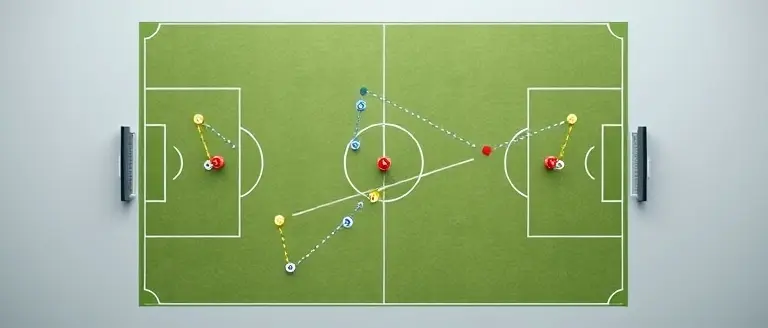
The Netherlands national football team delivered a masterclass in transitional efficiency during their Group F clash against Tunisia at Arrowhead Stadium. By employing a high-intensity press, the Dutch effectively disrupted Tunisia’s build-up play, forcing turnovers in dangerous areas of the pitch. The tactical blueprint relied heavily on congesting the center of the midfield, which consistently stifled Tunisian creative outlets and forced them into predictable wide channels where the Dutch fullbacks maintained defensive superiority.
Exploiting the Defensive Breakdown
The decisive turning point arrived early in the match, stemming from a tactical failure in the Tunisian backline’s coordination. Under sustained pressure, the Netherlands forced an errant movement that culminated in an unfortunate own goal by Ellyes Skhiri. This defensive lapse was not an isolated incident but rather the result of a persistent high-press strategy that left the Tunisian defense scrambling. Key tactical factors included:
- Midfield Congestion: The Dutch structure prevented Tunisia from progressing through the middle, forcing long, speculative balls.
- Transition Pace: Brian Brobbey’s movement between the lines exploited the space left by aggressive Tunisian wingbacks.
- High-Press Efficiency: By pinning the Tunisian back four inside their own defensive third, the Netherlands ensured a continuous cycle of possession and attacking opportunities.
The match highlighted a stark disparity in tactical discipline. As the Netherlands World Cup campaign progresses, their ability to transition rapidly from defense to attack has become their most potent weapon. Brian Brobbey’s clinical goal solidified the momentum shift, showcasing his ability to capitalize on defensive disorganization. This Tunisia vs Netherlands analysis confirms that the Dutch are currently operating with a level of tactical maturity that makes them a formidable force heading into the Round of 32. Their capacity to sustain pressure while remaining defensively compact suggests that the Oranje are well-positioned for a deep tournament run.
Netherlands World Cup 2026 Round of 32 Path and Bracket Outlook

Following their decisive performance in the tunisia vs netherlands fixture, the Netherlands national football team has solidified its standing as a formidable contender in the Netherlands World Cup campaign. By securing a dominant result at Arrowhead Stadium, the Dutch squad has effectively maneuvered into a favorable position within the tournament bracket. Finishing at the top of Group F provides the Oranje with a critical psychological advantage and a path that, on paper, avoids the immediate congestion of high-seeded tournament favorites in the opening phase of the knockout stages. The tactical discipline displayed during the group stage suggests that the Netherlands is peaking at the optimal time, with players like Brian Brobbey demonstrating the clinical efficiency required to advance deep into the competition.
Path to the Round of 32 and Beyond
As the Netherlands shifts focus toward the Round of 32, the bracket landscape presents both opportunities and challenges. By winning Group F, they are slated to face a runner-up from a neighboring group, a matchup that analysts view as a manageable hurdle for a team currently operating with high offensive fluidity.
- Strategic Advantage: Securing the top seed in the group stage allows the team to utilize the full extent of their tactical roster in the upcoming high-stakes elimination games.
- Momentum: The victory over Tunisia serves as a morale-boosting momentum builder, particularly for the backline, which has shown increased cohesion throughout this tournament.
- Bracket Outlook: If they navigate the Round of 32 successfully, the projected path points toward a quarter-final clash against other prominent European or South American heavyweights, necessitating sustained tactical evolution.
Evidence suggests that the current Dutch squad is well-equipped to handle high-pressure environments. Their ability to force defensive errors—exemplified by the early own goal during their recent fixture—demonstrates a high-pressing style that could dismantle less organized defenses in the knockout stages. For fans tracking the Netherlands World Cup 2026 Round of 32 path, the focus now turns to defensive consistency and injury management as the intensity of the tournament escalates.
Key Moments: Video Highlights and Match Defining Plays

The Tunisia vs Netherlands Group F clash at Arrowhead Stadium was defined by two pivotal sequences that shattered Tunisia’s defensive resolve and solidified the Dutch dominance in the 2026 FIFA World Cup. The match’s opening narrative shifted early when immense pressure from the Netherlands national football team forced a catastrophic error. In a scramble inside the penalty area, Ellyes Skhiri attempted to clear a dangerous low cross but inadvertently steered the ball into his own net. This own goal served as a psychological blow, forcing Tunisia to abandon their compact defensive shell and chase the game, which ultimately left them vulnerable to the Dutch counter-attack.
Tactical Precision: The Brian Brobbey Impact
Following the opener, the game reached its definitive turning point through the clinical movement of Brian Brobbey. His strike showcased the tactical maturity expected of a side looking to maintain an undefeated record in the group stage. The sequence began with a rapid transition through the midfield, catching the Tunisian defense disjointed. Brobbey’s positioning was exemplary; he exploited the gap between the center-backs before firing a precise finish past the keeper. This goal underscored the Netherlands squad’s ability to capitalize on high-press turnovers.
Key takeaways from the match-defining plays include:
- Defensive Fragility: Tunisia’s inability to clear set-piece deliveries proved fatal, with the own goal highlight reel emphasizing a lack of communication under pressure.
- Transition Efficiency: The Dutch offensive strategy relied heavily on quick, vertical passes, a direct contrast to Tunisia’s slower, build-up play.
- Strategic Consequences: These moments ensured the Netherlands secured a comfortable buffer, effectively ending Tunisia’s hopes for an upset and altering the Tunisia World Cup trajectory toward early elimination.
These highlights demonstrate why the match is now a focal point for Tunisia vs Netherlands analysis 2026. By capitalizing on defensive lapses and maintaining offensive composure, the Oranje have signaled their intent to remain a significant threat throughout the Round of 32.
The Strategic Road Ahead: Mastering the Tournament Bracket
The dust has settled at Arrowhead Stadium, and while the Netherlands moves forward with tactical momentum, both nations face a critical reality check regarding their 2026 World Cup journey. Understanding these tactical shifts is essential for any serious fan looking to map out the bracket for the Round of 32. However, dissecting these high-stakes matches into the early hours of the morning often leaves even the most dedicated analysts grappling with that familiar, frustrating post-match brain fog.
Watching the high-intensity drama of Tunisia vs. Netherlands requires sustained focus, but if you’re struggling with that mid-match fatigue while trying to digest the complex bracket implications, you aren’t alone. This is where Sugar Defender becomes your ultimate advantage. As an ‘Energy & Focus Accelerator,’ it is specifically designed for sports enthusiasts who need to maintain peak cognitive clarity during demanding post-game deep-dives, ensuring you never miss a beat or a tactical nuance.
By incorporating Sugar Defender into your daily routine, you provide your body with the metabolic support required to stay sharp, alert, and ahead of the competition. Don’t let fatigue cloud your analysis of the Netherlands World Cup 2026 path. Embrace the clarity you need to stay on top of the beautiful game.
 Optimize your match-day mental performance and stay ahead of the latest tournament updates by incorporating Sugar Defender into your daily routine today.Transform My Focus Today!