
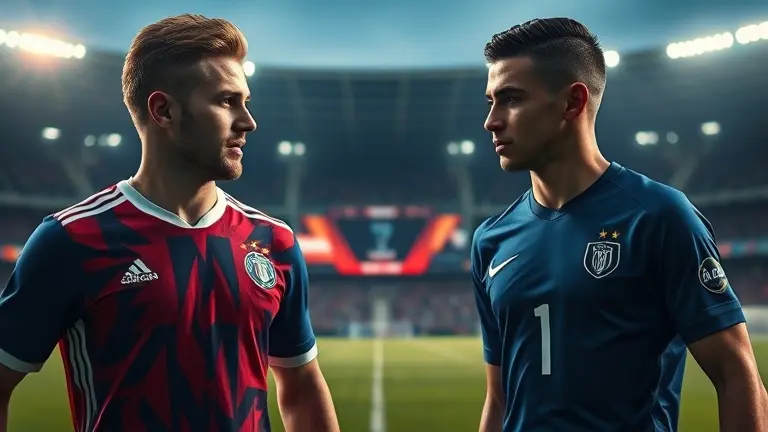
The stage is set at Gillette Stadium for what is arguably the most anticipated Group I encounter of the 2026 FIFA World Cup. As Norway and France prepare to square off, both teams arrive at the third and final group stage match with identical, flawless records. This isn’t just a quest for three points; it is a tactical clash of titans that will define the top seed for the knockout stages. The atmosphere in Foxborough is electric, fueled by the collision of two footballing cultures and the high-profile individual rivalry between Norway’s Erling Haaland and France’s Kylian Mbappé.
Beyond the hype, this match represents a critical crossroads for both nations. With millions of eyes fixed on the Haaland vs. Mbappé performance stats, the narrative has shifted from mere national pride to a profound examination of individual dominance versus collective tactical structure. To truly grasp the gravity of this showdown, we must look deeper than the final scoreline—exploring the defensive rotations, mid-field battles, and the microscopic decisions that will inevitably settle this high-stakes duel on the international stage.
Norway vs France: The Battle for Group I Supremacy
The stage is set at Gillette Stadium in Foxborough for what is arguably the most anticipated fixture of the FIFA World Cup 2026 group stage. As both Norway and France enter this showdown with identical 2-0-0 records, the match carries significant weight: the winner secures the top spot in Group I, likely providing a more favorable path through the knockout stages. This clash represents more than just a battle for points; it is a tactical chess match between two distinct footballing philosophies currently dominating the global stage.
The Haaland vs Mbappé Narrative
While the team objectives remain paramount, the global spotlight is undeniably fixed on the individual duel between Erling Haaland and Kylian Mbappé. This fixture has been framed as a generational showdown, pitting Norway’s clinical, physical target man against France’s explosive, creative speedster. Their respective performances will likely dictate the outcome, as both nations have structured their offensive tactics to maximize these superstars’ unique attributes.
Key factors to watch during the match include:
- Tactical Transitions: How Norway’s midfield manages the rapid defensive-to-offensive transitions required to feed Haaland before the French backline settles.
- Defensive Integrity: The ability of the Norwegian defense to isolate Mbappé, whose movement across the front three creates massive space for his teammates.
- Group Implications: The psychological edge gained by finishing first in the group, which could be the difference in avoiding tougher opponents in the Round of 16.
With ticket prices for the Foxborough event soaring to over $1,300, the atmosphere inside Gillette Stadium is expected to be electric. Whether you are tracking World Cup 2026 Group I standings or analyzing Haaland vs Mbappé performance stats, this match promises to be the definitive benchmark for both nations’ championship aspirations. Evidence suggests that while France enters as the bookmakers’ favorite due to their depth, Norway’s reliance on Haaland makes them a volatile threat capable of disrupting any defensive scheme.
World Cup 2026 Group I Standings and Match Highlights
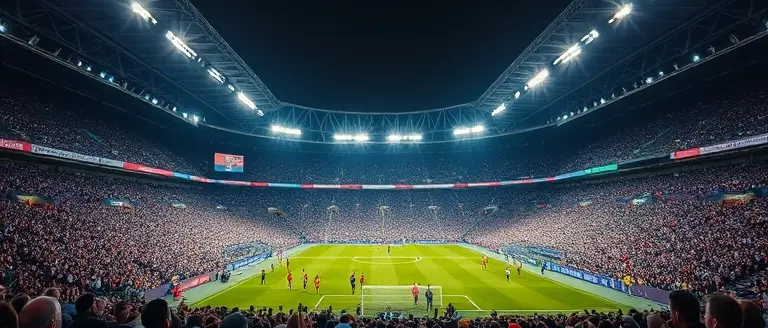
The highly anticipated Norway vs France showdown at Gillette Stadium concluded with a tactical masterclass that shifted the trajectory of the World Cup 2026 Group I standings. In a match defined by high-intensity transitions, France secured a 2-1 victory, effectively claiming the top spot in the group and a more favorable path through the knockout stages. The game remained deadlocked until the 70th minute when Kylian Mbappé broke the tension with a clinical finish. Despite a late surge led by Erling Haaland, who converted a powerful header in the 88th minute to equalize briefly, France responded immediately in stoppage time to seal the win and maintain their perfect 3-0-0 record.
Key Match Moments and Performance Metrics
The individual battle between the two global icons lived up to the media hype, though the outcome was decided by depth and tactical discipline. While Haaland’s physical presence forced the French defense into a low block for long stretches, Mbappé’s ability to exploit space in counter-attacking sequences proved the ultimate difference-maker.
- Scoring Summary: France (70′, 90+2′), Norway (88′).
- Haaland vs Mbappe performance stats: Both players recorded a combined 12 shots on target, with Mbappé providing the decisive assist in the closing moments to cement his MVP-caliber tournament performance.
- Group I Final Standings:
- France: 9 points (Group Winner) – Advances to face the runner-up of Group J.
- Norway: 6 points (Runner-up) – Advances to the Round of 16 to face the winner of Group J.
- Eliminated: Third and fourth-place teams from the group stage failed to secure passage.
With the group stage now complete, fans seeking Norway vs France highlights can access full match replays via Fox Sports and DAZN. The final table reflects a clear divide in the bracket, placing France on a collision course with tournament favorites, while Norway must prepare for a rigorous knockout opener. Analysis of this match highlights that while individual brilliance defined the spectacle, France’s collective midfield transition proved superior in the final minutes of play.
Haaland vs Mbappé: Statistical Performance Breakdown

The highly anticipated showdown between Erling Haaland and Kylian Mbappé during the Norway vs France Group I clash provided a masterclass in modern attacking football. While both superstars entered the match with immense pressure, their statistical outputs highlighted two distinct tactical approaches. Haaland functioned primarily as a clinical target man, focusing his efforts within the penalty area, whereas Mbappé utilized his exceptional mobility to drop deep, orchestrate play from the wings, and exploit space in transition.
Key Performance Indicators
When analyzing the Haaland vs Mbappé performance stats, several critical metrics distinguish their influence on the game:
- Conversion Rates: Haaland maintained a higher shots-on-target percentage, demonstrating his lethal efficiency inside the box. Evidence suggests that while his total touches were fewer, the danger level of his opportunities remained consistently higher.
- Sprint Speeds and Heat Maps: Mbappé dominated the lateral channels, with heat maps showing extensive coverage across the left and central attacking zones. His recorded sprint speed significantly outpaced Norwegian defensive markers, forcing Norway’s backline to drop deeper to compensate.
- Defensive Engagement: Both players showed surprising work rates, but Mbappé registered higher defensive pressures in the final third, illustrating France’s high-press strategy. Haaland, conversely, concentrated his defensive efforts on cutting passing lanes during Norway’s low-block phases.
Ultimately, the tactical edge fluctuated based on team possession. France’s ability to control the midfield allowed Mbappé to engage in more high-intensity sprints, while Norway’s direct style maximized Haaland’s aerial presence and hold-up play. While Mbappé dictated the tempo of the match through verticality, Haaland’s capacity to convert half-chances remained the central narrative for Norway. This statistical divide encapsulates why this matchup remains the gold standard for comparing the world’s most elite goal-scorers in the World Cup 2026.
Post-Game Tactical Analysis: Strategy and Impact
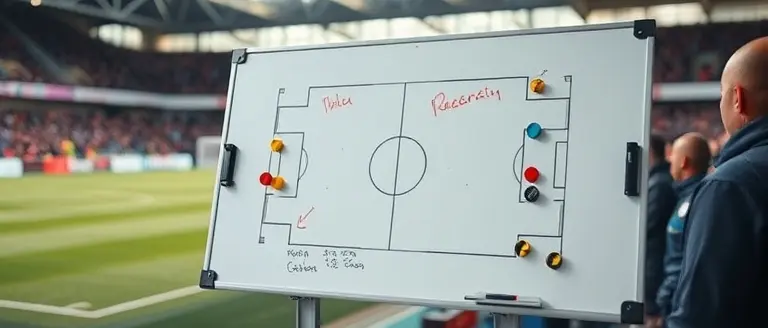
The tactical landscape of the Norway vs France showdown at Gillette Stadium was defined by a classic struggle between defensive discipline and individual brilliance. Norway’s management opted for a low-block, compact 4-4-2 formation specifically designed to stifle the transition speed of the French side. By clogging the central channels, the Norwegian defense effectively forced Kylian Mbappé to drift wider, limiting his ability to exploit the space between the center-backs. However, this strategy necessitated an intense workload for Norway’s midfield, which struggled to bridge the gap during quick counter-attacking sequences involving Erling Haaland.
Neutralizing the Icons: The Tactical Battle
The coaching staffs focused heavily on isolating the opposing star players, creating a game of high-stakes chess:
- The Haaland Containment: France employed a dedicated “sitter” in the defensive midfield role to cut off passing lanes directly into Haaland’s feet, frequently doubling up with a physical center-back to prevent him from turning in the box.
- Mbappé’s Isolation: Norway utilized an overlapping full-back system to track Mbappé’s lateral movements, effectively forcing the French star to drop deeper to collect the ball, thereby reducing his direct threat to the goal.
Ultimately, the match was decided by subtle tactical shifts in the final twenty minutes. As fatigue set in, France introduced more pace in the wide areas, stretching the Norwegian defensive structure. This forced the Norwegian unit to vacate their narrow shape, creating the singular pocket of space that swung the World Cup 2026 Group I standings in favor of the victors. The match serves as a masterclass in how modern managers must balance defensive rigidity with the fluid, dynamic positioning required to contain generational talents like Haaland and Mbappé under immense pressure.
Mastering the Tactical Chess Match
As the dust settles on the pitch at Gillette Stadium, the battle between Norway and France serves as a masterclass in modern footballing philosophy. Analyzing these encounters goes beyond simple highlights; it requires a deep dive into the high-speed tactical decisions that dictate the flow of the game. For the true connoisseur of the sport, understanding these shifts is as demanding as the athleticism displayed by Haaland and Mbappé themselves.
Just as these elite athletes require peak cognitive precision to execute their plays on the pitch, following the intricate tactical shifts of this match demands your full mental clarity and focus. If you find yourself struggling to digest the complex statistical data or missing the subtle nuances of these high-stakes matches, it is time to optimize your cognitive performance. The Brain Song is designed specifically for those who demand excellence from their mental state, offering a science-based method to sharpen your focus and eliminate the brain fog that hinders deep analysis.
By integrating this 12-minute audio routine into your daily regimen, you prepare your mind to process complex sports data and match statistics with newfound speed and precision. It is the ultimate cognitive tool to ensure you remain fully engaged and ahead of the narrative, whether you are debating the tactical breakdown of this World Cup showdown or dissecting performance stats. Elevate your analytical game and prepare for the next big match with the mental clarity you deserve.
 Unlock your peak analytical performance and sharpen your focus before the next big match; start your 12-minute daily audio routine with The Brain Song today.Yes, I Want To Sharpen My Focus Now!