
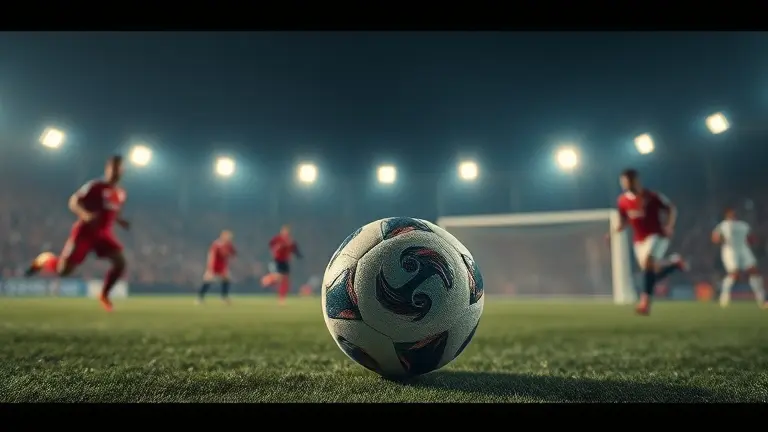
The 2026 Copa Mundial de Fútbol has officially entered its most electrifying phase, moving beyond the drama of the group stages and into the ruthless, high-stakes intensity of the knockout brackets. With the tournament expansion to 48 teams generating fierce debate among global football authorities, fans are finding themselves tracking a more complex schedule than ever before. From the tactical shifts required by this new format to the viral ‘pink cleats’ fashion statements taking over social feeds, the demand for deep-dive analysis and real-time updates has reached a fever pitch.
For the dedicated fan, keeping up with the rapid-fire succession of matches, standings, and bracket projections can lead to significant mental fatigue. Navigating the technical landscape of this expanded World Cup requires more than just sports knowledge; it requires sustained cognitive focus to decode the nuances of every performance. As we bridge the gap between factual results and analytical forecasting, staying mentally sharp is the ultimate advantage for anyone looking to truly master the tournament experience.
The 2026 FIFA World Cup: Mid-Tournament Status Report
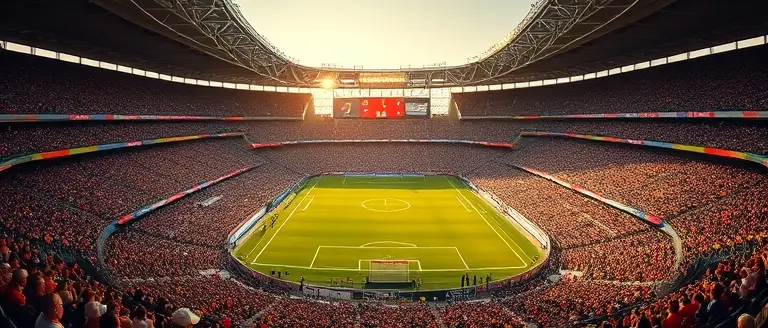
As of June 25, 2026, the copa mundial de fútbol has reached a critical inflection point. With the group stage matches concluding across the host nations of the United States, Mexico, and Canada, the tournament is now transitioning into the high-stakes knockout rounds. This year’s edition has already provided significant drama, featuring 48 teams competing in a total of 104 matches, testing the logistical and athletic limits of the expanded format. Fans and analysts alike are currently shifting their focus toward the bracketology of the round of 32, as the field narrows and the path to the July 19 final becomes clear.
The 48-Team Format Debate
The expansion to a 48-team roster remains the most contentious narrative of the 2026 tournament. While FIFA leadership highlights the increased global inclusivity and commercial success, the format has faced vocal pushback from various international football governing bodies and the UEFA president. Critics argue that the bloated structure threatens the overall quality of play and dilutes the prestige of the group stage. As the competition progresses, observers are closely monitoring whether the intensity of the knockout phase can offset the early-tournament inconsistencies reported by sports analysts.
Key Mid-Tournament Takeaways:
- Bracket Transitions: Teams are now finalizing their positions in the knockout brackets, with major upsets causing significant shifts in projected paths to the final.
- Logistical Scale: The tri-nation hosting model is performing under immense pressure, with massive travel requirements for players and fans across North America.
- Cultural Impact: Beyond the pitch, the copa mundial de fútbol has sparked viral trends, including player fashion movements like the “pink cleats” aesthetic dominating social media engagement.
- Performance Analysis: Early data indicates that the expanded format has introduced new tactical challenges, as squads manage the fatigue associated with a longer, more physically demanding tournament cycle.
As the world turns its attention to the elimination rounds, the focus remains on which nations can best adapt to this rigorous, high-density format. The narrative of the 2026 FIFA World Cup will likely be defined by how the tournament handles this transition from its historic group-stage roots into a modern, massive-scale spectacle.
Knockout Bracket: Schedule and How to Watch

The 2026 FIFA World Cup has officially transitioned from the high-stakes group stage to the intensity of the knockout rounds. With the tournament field expanded to 48 teams, the Round of 16 represents the most critical juncture for contenders looking to secure their place in the quarter-finals. As teams finalize their positions, fans tracking the copa mundial de fútbol should note that the schedule is condensed, with matches occurring daily across host venues in the United States, Mexico, and Canada. To stay updated on the evolving bracket, viewers are encouraged to consult official portals like Yahoo! Sports, which provide real-time updates as the remaining nations compete for the trophy.
How to Follow the Round of 16
For viewers in the United States, coverage of the knockout phase is comprehensive. Matches are broadcast across major networks including FOX Sports (English) and Telemundo (Spanish), with streaming options available via Peacock, Fubo, and the FOX Sports app. Given the scale of this year’s 104-game tournament, checking specific kick-off times is essential, as matches are spread across multiple time zones.
Key details to keep in mind for your viewing schedule:
- Kick-off times: Most matches are scheduled for 12:00 PM, 3:00 PM, and 6:00 PM ET.
- Broadcast Hubs: Tune into Telemundo for dedicated Spanish-language analysis of the copa mundial de fútbol, which often features expert breakdown of tactical shifts and player performance.
- Bracket Tracking: Utilize official FIFA digital platforms to monitor the path to the final on July 19, 2026, which highlights how the expanded format influences potential match-ups.
As the tournament progresses, expect rapid shifts in momentum. The “bracketology” of this expanded 48-team format means that even underdog squads that survived the group stages now have a direct, albeit challenging, path toward the trophy. Ensure your notifications are active for live scores, as the high density of matches through mid-July leaves little room for error for both players and spectators.
Analyzing the 48-Team Format: Growth vs. Competitive Integrity

The transition to a 48-team format for this copa mundial de fútbol has ignited one of the most intense debates in modern sports history. As the tournament moves past the group stage, evidence suggests that while the expansion has successfully democratized access, it has also strained the traditional expectations of competitive excellence. With 104 games played across the United States, Mexico, and Canada, the sheer scale of the tournament is unprecedented. Critics, including high-ranking figures within UEFA, argue that the increased number of matches dilutes the quality of play and risks player burnout. However, from a logistical standpoint, the North American host model has proven highly efficient, managing the complex travel and infrastructure demands of a larger field with few disruptions.
The Rise of the Underdog
One of the most compelling arguments in favor of the expansion is the rise in “giant-killing” upsets. Smaller nations, which previously struggled to qualify for a more exclusive bracket, have leveraged the opportunity to showcase improved tactical discipline on the world stage. Key performance indicators from this year’s group play indicate:
- Increased Parity: Emerging nations are narrowing the gap against traditional powerhouses by implementing defensive blocks that hold firm against elite offensive talent.
- Fan Engagement: The diverse participation has expanded the global footprint of the tournament, driving record-breaking social media engagement and ticket demand.
- Competitive Depth: By broadening the field, the FIFA tournament format ensures that high-stakes matches occur earlier, forcing top-tier teams to maintain intensity from the very first whistle.
While the UEFA president’s criticisms regarding the potential degradation of competitive integrity remain valid, the current tournament dynamics suggest a transition toward a more inclusive global product. As the knockout stages progress toward the final on July 19, 2026, the success of this format will ultimately be judged by whether the excitement generated by new contenders outweighs the concerns regarding the long-term sustainability of such a massive, 48-team sporting event.
Viral Trends: Beyond the Pitch and Fan Aesthetics
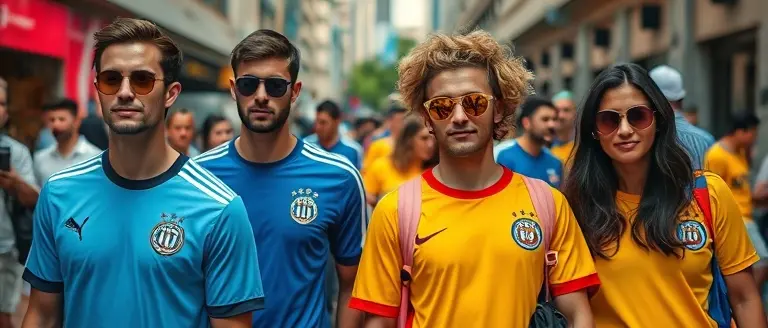
The 2026 FIFA World Cup has evolved into much more than a showcase of athletic prowess; it has become a global cultural phenomenon where sports, fashion, and social media converge. As the tournament progresses through the knockout stages, the copa mundial de fútbol has dominated digital feeds, with fan aesthetics and player style choices becoming as highly anticipated as the match results themselves. One of the most prominent viral trends sweeping the host cities in the United States is the “pink cleats” phenomenon. Originally spotted on several high-profile star players during the opening group stage matches, these vibrant boots have sparked massive engagement on TikTok and Instagram, leading to a surge in retail demand and fan-made content mimicking the bold look.
Beyond footwear, the fashion scene in US host cities has seen a fusion of traditional national kits and street-style chic. Fans are increasingly opting for “gorpcore” influenced match-day apparel, blending technical outdoor gear with authentic jerseys to navigate the diverse climates of the North American landscape. This visual evolution demonstrates how the tournament is effectively bridging the gap between traditional football culture and the Gen Z lifestyle market.
Shocking Upsets and Social Media Reactions
The tournament’s expanded 48-team format has not only generated intense debate among football officials but has also provided a fertile ground for underdog narratives that have captivated social media audiences. Several shocking upsets during the group stage have triggered massive “react” content cycles:
- Tactical Disruptions: Lesser-known nations successfully deploying low-block defenses against favorites, forcing a frantic, high-engagement discourse on the efficiency of the new tournament structure.
- The Viral Underdog: Real-time highlights of game-winning goals in stoppage time have consistently trended, with fans sharing clip-heavy summaries that highlight the raw emotion of tournament football.
- Format Criticism: Ongoing discussions regarding the UEFA president’s remarks on the expanded field have become a staple of political-sports discourse, proving that the copa mundial de fútbol is as much about the administrative drama as it is about the action on the pitch.
These off-field trends ensure that whether fans are tuned into the tactical analysis of the knockout brackets or the latest viral fan fashion, the 2026 World Cup remains the center of gravity for global digital engagement.
Master the Knockout Stages With Unrivaled Mental Clarity
As the 2026 Copa Mundial de Fútbol heads into the high-stakes knockout rounds, the intensity of the 48-team format demands total focus. Parsing complex bracket projections and keeping pace with every surprise upset requires more than just passion; it demands a level of mental acuity that can withstand the fatigue of marathon match viewings.
Analyzing these intricate bracket dynamics is a cognitive challenge. To truly grasp the nuances of the upcoming matches and maintain an edge over the competition, you need a recovery tool that clears the brain fog and sharpens your analytical skills. This is where The Brain Song becomes an essential part of your match-day ritual, providing the cognitive boost needed to absorb dense data while others succumb to information overload.
By integrating this 12-minute daily routine into your schedule, you ensure your focus remains razor-sharp from the opening whistle to the final penalty shootout. Don’t let mental fatigue cloud your insight during the most exhilarating phase of the tournament. Elevate your analytical game and experience the peak of cognitive performance today.
 Optimize your analytical focus during the knockout stages with this 12-minute daily routine.Yes, I Want My Competitive Edge Now!