

A critical food safety alert has been issued following a severe Listeria monocytogenes outbreak linked to Clover Hill Dairy products. With the FDA issuing a Class I recall—the most urgent classification reserved for products that could cause serious health consequences or death—it is vital that you check your refrigerator immediately. This outbreak has already resulted in hospitalizations and a tragic fatality, making it essential to identify and dispose of any affected cheese products currently in your home.
This is not merely a precautionary measure; it is a necessary step to protect your household. The following checklist is designed to help you quickly identify specific Clover Hill Dairy packaging, recognize the symptoms of Listeria exposure, and safely handle potentially contaminated items to prevent cross-contamination in your kitchen. Taking decisive action now is the most effective way to eliminate this health risk from your living space.
Urgent Class I Recall: Clover Hill Dairy Products

On June 18, 2026, the U.S. Food and Drug Administration (FDA) issued an urgent Class I recall covering all cheese products manufactured by Clover Hill Dairy, based in Mechanicsville, Maryland. This classification represents the FDA’s most severe alert level, reserved for situations where there is a reasonable probability that exposure to a product will cause serious adverse health consequences or death. This sweeping measure follows a confirmed multi-state outbreak of Listeria monocytogenes that has reached critical proportions. Currently, health officials have linked the contaminated dairy products to eight hospitalizations and one confirmed fatality, prompting a total recall of the manufacturer’s entire product line.
Scope of the Contamination and Health Risks
The investigation into this cheese recall centers on products distributed and sold between May 4, 2026, and May 30, 2026. While the recall specifically highlights this timeframe for recent acquisitions, consumers are urged to treat all Clover Hill Dairy products in their refrigerators as potentially hazardous. Listeria monocytogenes is a particularly dangerous pathogen because it can survive and proliferate even under refrigerated conditions.
Key safety information regarding this outbreak includes:
- Severe Symptoms: Consumers exposed to the bacteria should monitor for high fever, severe headaches, neck stiffness, confusion, loss of balance, and muscle aches.
- High-Risk Groups: Infections are especially dangerous for pregnant women, the elderly, and individuals with weakened immune systems. In pregnant women, Listeria can lead to miscarriages and stillbirths.
- Immediate Action: Do not consume any cheese bearing the Clover Hill Dairy label. Even if the product looks or smells normal, it must be disposed of immediately to prevent cross-contamination in your kitchen.
- Facility Sanitization: Clean any shelves, drawers, or kitchen tools that came into contact with the recalled items using hot, soapy water or a diluted bleach solution.
As the situation remains fluid, consumers are encouraged to check the official FDA Safety Alert for the most current list of affected product codes and batch identifiers. If you have consumed these products and are exhibiting symptoms, contact your healthcare provider immediately.
Immediate Action Required: What You Need to Do
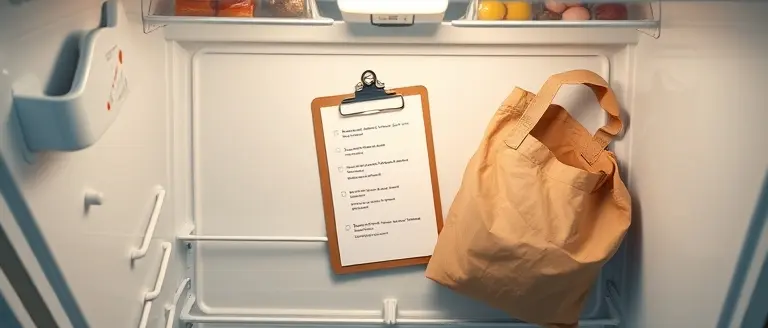
If you currently have any Clover Hill Dairy brand products in your home, you must take immediate steps to protect your health and the health of your household. Due to a Class I recall—the most serious classification issued by the FDA—consumers are urged to stop using all cheese products from this manufacturer immediately. This recall is driven by a severe Listeria monocytogenes outbreak that has been linked to one death and multiple hospitalizations. Because Listeria can thrive even in refrigerated conditions, simply keeping the products cold does not mitigate the risk of infection.
Steps for Safe Disposal and Verification
To ensure your kitchen remains safe, follow this checklist to identify and remove potentially contaminated items:
- Check Your Inventory: Inspect your refrigerator and pantry for all Clover Hill Dairy branded cheese. Even if the product was purchased several weeks ago, it should be treated as potentially contaminated.
- Do Not Consume: Under no circumstances should you eat, sell, or serve any product subject to this cheese recall. Discarding the product is the safest course of action.
- Prevent Cross-Contamination: When disposing of the cheese, ensure it is placed in a sealed bag or container so that it cannot be accessed by other people or pets. Thoroughly clean and sanitize any surfaces, refrigerator drawers, or utensils that came into contact with the product using a hot, soapy water solution or a food-safe disinfectant.
- Verify Batch Details: For a comprehensive list of specific SKUs and affected production batches, visit the official FDA Safety Alert. Comparing your packaging against these official identifiers is essential, as the recall now encompasses all dairy items produced by the brand.
If you have already consumed these products, monitor yourself and your family closely for symptoms of listeriosis, which include high fever, severe headache, neck stiffness, nausea, abdominal pain, and diarrhea. Symptoms can appear anywhere from a few days to several weeks after exposure. If you or a family member displays these signs, contact a healthcare provider immediately and inform them of your potential exposure to the recalled cheese. Stay vigilant for further updates from the FDA regarding potential expansions to this recall list as the investigation into this multi-state outbreak continues.
Understanding Listeria: Health Risks and Symptoms

The current cheese recall involving Clover Hill Dairy products centers on the presence of Listeria monocytogenes, a hardy and dangerous bacterium capable of causing severe illness. Unlike many other foodborne pathogens, Listeria can survive and even thrive in refrigerated environments, making it a persistent threat in dairy processing facilities. Infection with this bacterium results in listeriosis, a serious condition that requires prompt clinical attention, especially given that the FDA has classified this event as a Class I recall—the most urgent category.
Recognizing Symptoms of Listeriosis
Symptoms of Listeria infection can be deceptive because they often do not appear immediately. Consumers who have ingested the affected cheese should monitor their health for up to 70 days following exposure. Common symptoms include:
- Fever and chills
- Persistent muscle aches
- Nausea, vomiting, or diarrhea
- Stiff neck and confusion
- Loss of balance and convulsions
If these symptoms arise, it is imperative to contact a healthcare provider immediately and report the potential consumption of the recalled dairy products.
High-Risk Groups and Complications
While healthy individuals may suffer only short-term, flu-like discomfort, specific demographics are at a significantly higher risk for life-threatening complications, including bloodstream infections (sepsis) or meningitis. These groups must exercise extreme caution:
- Pregnant individuals: Listeriosis can lead to miscarriage, stillbirth, premature delivery, or life-threatening infection of the newborn.
- Adults aged 65 and older: Weakened immune systems make this population highly susceptible to severe outcomes.
- Immunocompromised individuals: This includes people living with cancer, HIV, or those undergoing transplant procedures and taking immunosuppressive medications.
Because this Listeria monocytogenes outbreak has already resulted in one confirmed death and eight hospitalizations, there is no margin for error. If you suspect you have consumed any of the products included in this recall, seek medical guidance even if you currently feel healthy. Early intervention is the most effective strategy for preventing the progression of listeriosis into a critical health crisis.
Official Resources and Continued Monitoring

To ensure the safety of your household during this ongoing cheese recall, it is critical to rely exclusively on verified information provided by federal regulatory bodies. Misinformation often spreads rapidly across social media platforms during high-stakes health crises, leading to confusion or the improper handling of potentially hazardous products. For the most accurate, real-time updates regarding the Clover Hill Dairy investigation, consumers should prioritize direct communication from government agencies.
Essential Portals for Real-Time Updates
The following resources offer the most reliable data regarding the Listeria monocytogenes outbreak and subsequent product recalls:
- Official FDA Recall Database: Visit the FDA’s official safety alert page for the comprehensive list of affected products. This database is updated immediately as new information becomes available, ensuring you have the most current list of SKU numbers and packaging codes.
- Clover Hill Dairy Communications: Monitor the official company website for direct statements regarding logistics, return procedures, and consumer safety guidance.
- CDC Listeria Outbreak Portal: For broader epidemiological context and public health alerts, the Centers for Disease Control and Prevention (CDC) provides updates on the multi-state investigation, including hospitalizations and illness trends.
Why Verified Channels Matter
In the wake of a Class I recall, the information landscape can be volatile. Unofficial news aggregators or social media posts may lack the technical precision needed to identify specific contaminated batches. By checking the official FDA product list directly, you reduce the risk of relying on outdated or misinterpreted reports.
We strongly recommend signing up for the FDA’s email subscription service to receive automated alerts regarding food safety, ensuring you are notified if the recall scope expands further. If you suspect you have consumed a recalled product, contact your primary healthcare provider immediately. Always prioritize professional medical advice and government-issued guidance over anecdotal reports found on public forums or unverified news outlets.
Reclaim Your Health and Fortify Your Defenses
As you clear your pantry and sanitize your kitchen surfaces, it is important to remember that safety goes beyond just removing external threats. While you are actively eliminating the risk of Listeria, it is the perfect time to reinforce your body’s internal biological defenses. A food safety scare serves as a stark reminder of how critical a robust, healthy microbiome is in maintaining our natural resilience against harmful pathogens that we encounter in our environment.
ProDentim is uniquely formulated to support this recovery process by helping to repopulate your body with beneficial bacteria. By prioritizing your oral and digestive microbiome, you are taking a proactive, science-backed approach to immune-conscious health management. This isn’t just about recovering from a single food scare; it is about building a foundation of resilience that empowers your body to combat internal stressors more effectively every single day.
Integrating a high-quality probiotic supplement into your daily routine is the natural next step for anyone committed to long-term health security. Don’t leave your immune defenses to chance—take control of your microbiome today to support your body’s natural ability to stay protected and strong.
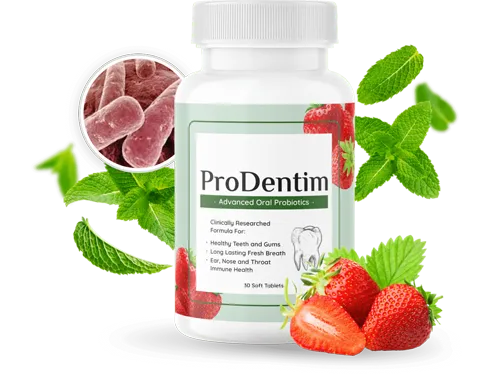 Learn how to reinforce your internal defense system and restore your microbiome balance here.Protect My Microbiome Now!