
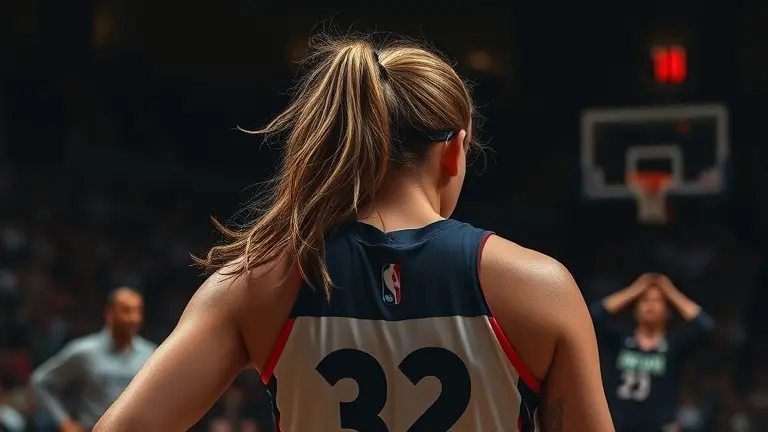
The high-stakes clash during the June 24, 2026, Caitlin Clark Phoenix Mercury game has left the basketball world reeling, shifting the focus from the thrilling 111-109 scoreline to a pressing narrative regarding player safety and officiating standards. The unfortunate third-quarter back injury sustained by Clark has ignited a firestorm of debate, amplified by Indiana Fever coach Stephanie White’s pointed critique of the league’s handling of physical play. As fans and analysts dissect the fallout of this contentious two-game series, the conversation has moved far beyond simple box scores, demanding a deeper examination of how the WNBA navigates the delicate balance between hard-nosed defensive pressure and the protection of its brightest stars.
This article moves past the reactive social media cycle to provide an objective look at the Caitlin Clark Phoenix Mercury game within the broader context of WNBA evolution. We analyze the documented coaching concerns, the ongoing discourse regarding ‘cheap shots’ versus aggressive defense, and what the league’s recent history of technical fouls reveals about the current state of officiating. For those invested in the tactical and systemic realities of the game, we provide the clarity required to understand exactly what is at stake on the court.
Fever vs. Mercury: The Aftermath of a Contentious Series
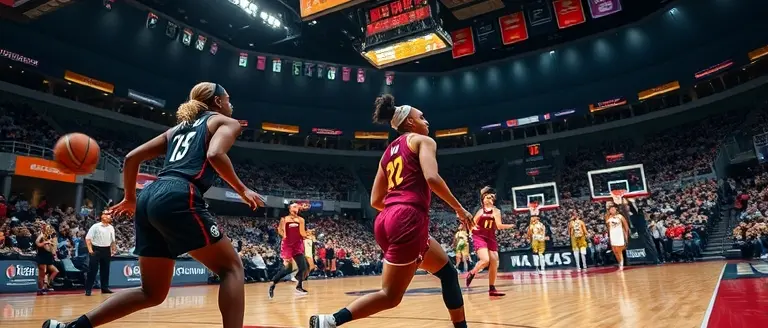
The June 2026 two-game series between the Indiana Fever and the Phoenix Mercury has become a flashpoint in the WNBA, highlighting ongoing debates regarding rookie protection and officiating consistency. The high-stakes matchup concluded on June 24 with a narrow 111-109 victory for the Mercury, though the result was overshadowed by Caitlin Clark exiting the game at the 5:15 mark of the third quarter due to a back injury. Before her departure, Clark had been a focal point of the offense, contributing 19 points in a contest defined by its high-octane pace and defensive intensity.
Escalating Physicality and Coaching Concerns
The friction between the two teams reached a boiling point following a series of physical exchanges. Fever head coach Stephanie White has been vocal in her frustration, specifically calling out officials for failing to curb what she termed “cheap shots” directed at Clark. This sentiment aligns with a broader league-wide discussion on how referees should balance physical defensive strategies with the safety of high-profile offensive threats. The tension was further compounded by a controversial technical foul incident from the June 22 game, which the league subsequently declined to rescind, signaling a strict stance from WNBA officials on conduct.
Key takeaways from the series include:
- Officiating Patterns: The refusal to rescind the earlier technical foul underscores the WNBA’s current standard for what constitutes acceptable on-court behavior.
- Injury Impact: Clark’s back injury remains a primary concern for the Fever, as the medical recovery timeline will dictate her availability for upcoming matchups.
- League Narrative: The series has served as a crucible for the “physicality vs. protection” debate, forcing analysts to distinguish between aggressive, hard-nosed defense and conduct that crosses the threshold into unsafe play.
As the WNBA continues to evolve, the Caitlin Clark Phoenix Mercury game series stands as a definitive case study in the challenges of managing star power within a league known for its defensive grit. The discourse continues to center on whether current officiating guidelines provide sufficient protection for rookies navigating this veteran-dominated landscape.
Caitlin Clark Injury Update: Status Following Third-Quarter Exit
The Caitlin Clark Phoenix Mercury game on June 24, 2026, took a concerning turn when the Indiana Fever superstar was forced to exit the floor during the third quarter. At the 5:15 mark, Clark headed to the locker room after exhibiting visible discomfort, effectively ending her night with 19 points tallied on the stat sheet. While the Fever fought valiantly in her absence, they ultimately fell to the Mercury in a narrow 111-109 defeat, leaving fans and analysts searching for immediate clarity regarding the severity of her condition.
Current Medical Status and Prognosis
As of the latest reports, the official diagnosis is a back injury, though the organization has remained cautious regarding a specific recovery timeline. Given the high-profile nature of the Caitlin Clark injury, the medical staff is conducting a comprehensive evaluation to determine if she will face time on the injury report for upcoming matchups. Based on her departure from the game, key factors currently being monitored include:
- Mobility and Range of Motion: Training staff are assessing whether the injury stems from a direct impact during the physical, high-contact series or a repetitive strain injury related to the heavy-duty defensive pressure faced throughout the contest.
- Availability for Future Games: While the Fever have not officially ruled her out, the team is prioritizing long-term health over immediate participation. Any return will likely be contingent on pain management and her ability to participate in full-contact practice.
- Clinical Observations: The coaching staff has noted that the intensity of the series against Phoenix has placed an unusual burden on the rookie, with head coach Stephanie White emphasizing the need for better protection of star players against aggressive, and at times arguably “cheap,” physical contact.
While fans await official updates from the Indiana Fever regarding the next steps in her rehabilitation, the focus remains on ensuring that the league’s most prominent offensive force returns to the court only when she is fully cleared by medical professionals. The team is expected to provide further clarity following her next series of diagnostic tests.
Stephanie White Speaks Out on Officiating and Player Safety

The tension surrounding the recent Caitlin Clark Phoenix Mercury game series reached a boiling point following the June 24 matchup, prompting Indiana Fever head coach Stephanie White to voice formal concerns regarding player safety and the consistency of officiating. During the post-game press conference, White addressed what she termed “cheap shots” directed at her star rookie, signaling a broader frustration with how the league balances aggressive, veteran-led defensive strategies against the protection of its marquee talent. White’s critique serves as a professional counter-narrative to the heated debates occurring across social media, grounding the conversation in the reality of on-court conduct and the mandate for referees to maintain control.
Analyzing the Officiating Standards
Coach White’s comments highlight a critical intersection between WNBA officiating patterns and the physical toll of a condensed, high-profile schedule. According to White, the lack of immediate intervention during sequences of aggressive play has created an environment where defensive physicality may be crossing the threshold into unsafe conduct. Her primary points of contention include:
- Inconsistent Foul Calls: A perceived failure by the officiating crew to penalize excessive physical contact that occurs away from the ball or during non-shooting actions.
- Protection of Rookies: The ongoing discussion regarding whether high-profile players like Caitlin Clark are being disproportionately targeted by physical defensive schemes meant to disrupt their offensive rhythm.
- Escalation of Play: The potential correlation between non-called fouls and the subsequent increase in game-wide animosity, which culminated in the injury-related exit of Clark during the third quarter.
By framing these issues as a matter of player health rather than mere competitive friction, White is pushing the league to re-evaluate its enforcement of existing rules. This situation is further complicated by the WNBA‘s recent decision not to rescind a technical foul from the June 22 contest, an action that many observers suggest has only emboldened the league’s current “let them play” approach. As the Fever continue their season, the league faces mounting pressure to clarify the boundary between “hard-nosed” basketball and avoidable risks to player safety, particularly as the Indiana Fever navigate the physical intensity inherent in high-stakes professional matchups.
The Evolution of Defensive Physicality in the Modern WNBA
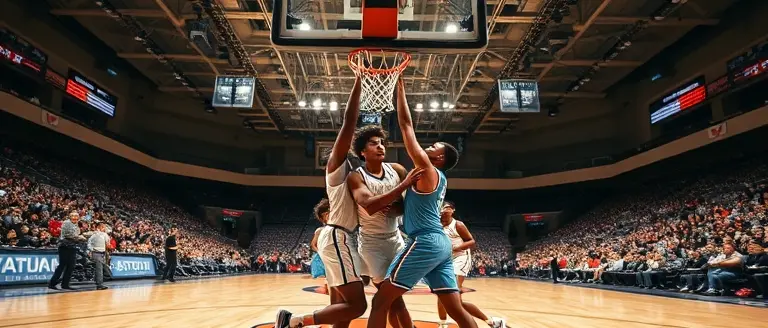
The recent Caitlin Clark Phoenix Mercury game series has ignited a firestorm regarding the intersection of veteran-led defensive strategies and the protection of high-profile rookies. As the WNBA continues to see a surge in national viewership, the league is grappling with a classic sports tension: the line between “hard-nosed” playoff-style defense and conduct that crosses into unsafe territory. Veteran teams are clearly employing a strategy of heightened physicality to disrupt the flow of high-scoring rookies, a trend that is standard for elite basketball but currently under intense scrutiny due to the high visibility of the Indiana Fever.
Rookie Adaptation and League-Wide Trends
The transition for players like Clark involves navigating a level of defensive pressure that is inherently more aggressive than the collegiate game. This “rite of passage” often includes:
- Strategic bumping: Using legal positioning to force guards off their preferred shooting lanes.
- Volume pressure: Maintaining high-intensity contact throughout the full duration of a 40-minute contest.
- Psychological barriers: Testing a rookie’s composure under the duress of physical containment.
However, the discourse surrounding the Caitlin Clark Phoenix Mercury game suggests that this evolution is testing the current boundaries of WNBA officiating. Fever head coach Stephanie White has been vocal about the need for officials to curb what she identifies as “cheap shots,” signaling a shift where coaching staffs are beginning to publicly advocate for stricter enforcement.
The Path Forward for Officiating
Ultimately, the debate is less about eliminating defense and more about officiating consistency. As the league grows, the expectation for a clear, standardized threshold for “unsafe conduct” increases. If the WNBA chooses to lean into a more physical brand of basketball, it must ensure that protection protocols keep pace with the competitive intensity. Whether this series serves as a catalyst for a rules update or a continuation of the status quo remains a central theme in the 2026 season’s narrative, requiring a careful balance between preserving the game’s competitive edge and ensuring the safety of its brightest stars.
Decoding the Mental Game: Beyond the Court
The intensity of the recent Indiana Fever and Phoenix Mercury series has sparked a necessary, if contentious, conversation about the intersection of high-speed physicality and the future of WNBA officiating. Whether one views the current climate as an inevitable growing pain of the league’s rapid expansion or as a failure to adequately protect star talent, the reality remains that navigating these complex, high-stakes narratives requires an immense amount of cognitive engagement.
Just as elite athletes require absolute mental sharpness to navigate the high-speed physicality of a WNBA matchup, we as fans often need that same level of cognitive clarity to decode the complex officiating and tactical strategies unfolding in these intense rivalry games. If you find your focus blurring amidst the media noise and the rapid-fire updates of the season, it is time to sharpen your analytical edge.
The Brain Song is a professional-grade mental performance tool designed to combat mental fog and restore clarity, ensuring you stay as sharp as the game analysis itself. By choosing to optimize your cognitive function, you elevate your ability to process the nuances of the game, mirroring the focus required by the very athletes you follow. It is the sophisticated choice for those who refuse to settle for passive consumption.
 Optimize your cognitive performance for the next big game; try The Brain Song today to sharpen your focus.Sharpen My Focus Now!