
As the 2026 FIFA World Cup captures the world’s attention, a linguistic shift is creating as much debate in the stands as the goals themselves: Turkiye vs Turkey. If you have been scratching your head while watching official broadcast graphics or reading match reports, you are not alone. Since the United Nations officially recognized the name change in 2022, sports organizations have moved to standardize the nomenclature to ‘Türkiye,’ even as the traditional English spelling remains deeply ingrained in global conversation.
This transition isn’t just about spelling—it’s about navigating the fast-paced, high-stakes environment of international sports diplomacy. Whether you are wondering how to pronounce it correctly or simply why the change matters during the tournament, this guide cuts through the noise. We are here to clarify the confusion so you can get back to what really matters: keeping your eyes on the pitch and your focus locked on every play.
Why Are We Seeing ‘Türkiye’ at the 2026 World Cup?
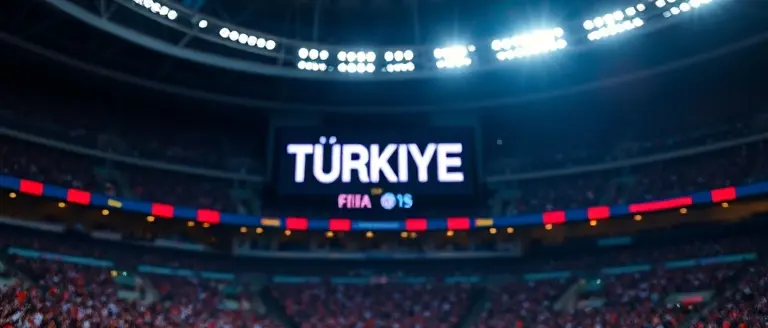
If you have been closely following the 2026 FIFA World Cup, you have likely noticed a deliberate shift in how the nation is identified on official scoreboards, broadcast graphics, and match reports. While fans are accustomed to seeing the name “Turkey” in English-language sports media, international events are now pivoting toward the country’s official name: Türkiye. This transition is not a spontaneous rebranding by sports networks, but rather a direct alignment with diplomatic standards established in May 2022, when the United Nations officially recognized “Türkiye” as the country’s preferred name in all languages.
Bridging Diplomacy and Sports Broadcasting
The confusion surrounding turkiye vs turkey often stems from the gap between traditional English usage and official international nomenclature. FIFA, acting as a global governing body, adheres to strict diplomatic protocols regarding the representation of its member nations. By adopting the “Türkiye” branding during the 2026 World Cup, broadcasters are ensuring their coverage remains consistent with the UN’s stance, which aims to better reflect the Turkish culture and national identity.
For the average viewer, this change may feel abrupt, yet it is a standard practice in international diplomacy. When tuning in to matches, you can expect to see the following:
- Official FIFA Match Graphics: Updated to display “Türkiye” to align with the country’s formal registration.
- Commentary Consistency: Major networks like Fox, NBC, and CBS are increasingly using the updated name to maintain neutrality and professional accuracy.
- Digital Media Adaptation: Online search trends show that while many fans still search for “Turkey,” official sports journalism is shifting toward the correct spelling to avoid obsolescence in search engines and databases.
While “Turkey” remains common in casual, everyday discourse, professional sports journalism is clearly signaling that Türkiye is the standard for international competition. Understanding this shift helps clarify why your TV screen displays a name that looks slightly different from the terminology you may have used for decades.
The Pronunciation Guide: How to Say ‘Türkiye’ Like a Pro
As the 2026 FIFA World Cup progresses, fans and commentators are increasingly encountering the shift from the traditional English name to the country’s preferred spelling. Learning how to pronounce Turkiye for World Cup broadcasts is more than a linguistic exercise; it is a sign of respect for the nation’s official diplomatic branding recognized by the United Nations since 2022. While many English speakers instinctively default to the familiar “Turkey,” mastering the proper pronunciation helps align your vocabulary with official FIFA team names 2026 and modern international sports journalism.
Decoding the Phonetics
The confusion often stems from the inclusion of the ‘ü’—a character that does not exist in the standard English alphabet. In Turkish, the ‘ü’ produces a sound similar to a rounded ‘u,’ often compared to the French ‘u’ or the German ‘ü.’ To speak it correctly, follow this simple breakdown to get the cadence right:
- Tur: Pronounced exactly like the English word “tour.”
- ki: This syllable is sharp and short, similar to the “key” in a door key.
- yeh: The final syllable is crucial, adding the soft “yeh” sound at the end.
When combined, the name is articulated as Tur-kee-yeh. Unlike the single-syllable “Turkey” that most Western fans are used to, Türkiye is clearly a three-syllable word. The emphasis typically falls on the final syllable, providing a melodic, distinct rhythm that sets it apart from the common colloquial usage.
Why Pronunciation Matters in 2026
Whether you are discussing match tactics on social media or listening to professional commentary, using the correct terminology is becoming the new standard. Broadcasters are increasingly updating their phonetic guides to ensure consistency with the official FIFA graphics displayed on scoreboards. By adopting the Tur-kee-yeh pronunciation, you demonstrate a better understanding of the global effort to standardize the country’s name, bridging the gap between historical habits and current international naming conventions. If you find yourself slipping, remember that the transition is a gradual process, but practicing the three-syllable structure is the fastest way to sound like a seasoned tournament observer.
Is It Still Correct to Say ‘Turkey’?
As the 2026 FIFA World Cup captures global attention, many fans are finding themselves confused by the alternating use of Türkiye versus Turkey on broadcast graphics and official scoreboards. If you are wondering whether it is still “correct” to use the traditional English name, the answer is nuanced: while Türkiye is the officially recognized nomenclature, the transition in casual speech remains a gradual process. In May 2022, the United Nations formally accepted the change at the request of the Turkish government to better represent the nation’s culture and heritage. Since that diplomatic shift, international sports bodies—including FIFA—have pivoted to the official spelling to align with global protocol.
However, there is no “penalty” or objective error in using the traditional term in casual, non-official contexts. Language evolution often lags behind diplomatic mandates, and “Turkey” remains widely understood in English-speaking regions. For the average sports fan, the distinction is largely about keeping pace with modern broadcast standards:
- Official Sports Diplomacy: Broadcasters and tournament organizers are increasingly adopting Türkiye to show respect for the host nation’s request and to maintain consistency with official UN documentation.
- Casual Conversation: In social media discussions and informal match-day banter, “Turkey” is still frequently used. It is not considered offensive, but it is increasingly viewed as outdated compared to the preferred international standard.
- Media Consistency: You will likely notice that professional outlets are slowly phasing out the old spelling. If you are looking to stay aligned with the latest official FIFA team names 2026 updates, transitioning to “Türkiye” is the most accurate approach for your own commentary.
Ultimately, while the term “Turkey” is still recognized, the global trend in sports media is moving firmly toward the official spelling. By opting for Türkiye, you are not just using a spelling—you are adopting the internationally preferred term that is currently defining the landscape of the 2026 World Cup.
Official FIFA 2026 Team Names and Broadcasting Standards
During the 2026 FIFA World Cup, viewers may notice a deliberate shift in how the nation is identified on scoreboards and official broadcast graphics. Since the United Nations officially recognized the change from “Turkey” to Türkiye in May 2022, FIFA and major international sports federations have implemented standardized naming conventions to align with diplomatic protocols. For global broadcasters, this transition is more than just a linguistic update; it is a commitment to formal international recognition. When you see “Türkiye” on your screen, it reflects the organization’s adherence to the country’s own request for nomenclature, ensuring consistency across digital match reporting and tournament statistics.
The Logic Behind Broadcast Standardization
Consistency is critical for the integrity of tournament data. Digital platforms, live-odds providers, and official FIFA databases require a single, unified label to track performance metrics, player data, and historical records. If media outlets alternated between turkiye vs turkey, it would create significant friction for fans attempting to search for team stats or match highlights. Behind the scenes, FIFA’s production teams synchronize name tags to ensure that the official designation matches the country’s current status in the UN registry.
Key aspects of this standardization include:
- Diplomatic Compliance: FIFA prioritizes the official name requested by member associations to maintain professional neutrality.
- Database Uniformity: Using “Türkiye” prevents fragmentation in SEO-driven search results and archival systems, ensuring that tournament history is categorized under a single, correct label.
- Broadcaster Guidance: Major networks like Fox Sports and NBC Sports rely on centralized style guides that favor the official Türkiye terminology to avoid confusion during live commentary and graphic overlays.
While the term “Turkey” persists in casual fan-level discourse and historical context, sports journalism has largely pivoted toward the new spelling. Understanding this shift helps fans navigate the modern sports media landscape, where official recognition dictates the vocabulary of the 2026 World Cup.
Sharpen Your Focus for the Tournament
Understanding the transition from ‘Turkey’ to ‘Türkiye’ is just one of many small, high-speed details that fans must process during a massive tournament like the 2026 World Cup. Between tracking evolving official team names, following rapid match statistics, and keeping up with live commentary, it is no surprise that many fans experience a sense of cognitive fatigue. This mental friction can distract you from fully immersing yourself in the game you love.
Keeping track of these shifting details is mentally taxing, but you don’t have to let the ‘mental fog’ slow you down. This is where The Brain Song becomes an essential tool for the modern, tech-savvy fan. By providing a clean, non-invasive boost to your cognitive clarity, it helps you effortlessly filter through data and stay hyper-focused on the match reporting in real-time. It is the perfect solution for maintaining your mental edge while the tournament reaches its thrilling climax.
Don’t let mental sluggishness dim your World Cup experience. Equip your brain with the precision it needs to follow every moment of the action with total clarity.
 Refresh your focus and sharpen your mental edge for the next match with The Brain Song—try the 12-minute routine today.Unlock My Mental Clarity Now!