
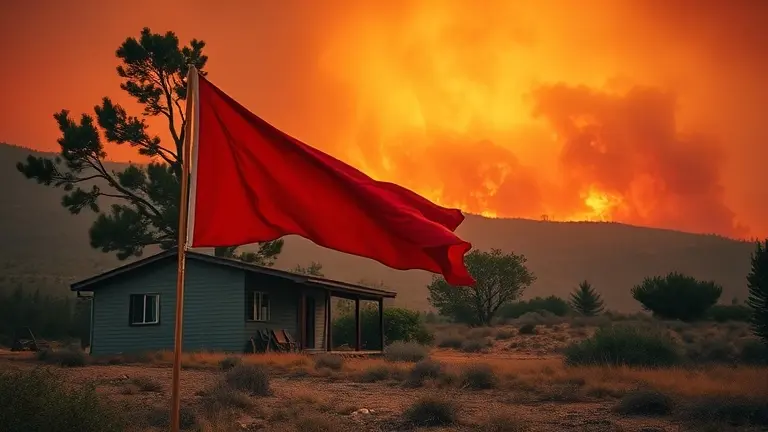
When the National Weather Service issues a Red Flag Warning, it serves as a critical signal that the environment has reached a dangerous tipping point. Characterized by a combination of high temperatures, very low relative humidity, and powerful, gusty winds, these warnings indicate that any spark could lead to a catastrophic wildfire. For residents in regions ranging from the Alaskan interior to the hills of Southern California, seeing this alert means it is time to immediately suspend all outdoor burning and reconsider any activities that involve heat-generating tools or open flames.
Navigating these events requires more than just awareness; it requires a clear plan of action. Confusion between a ‘Fire Weather Watch’ and a ‘Red Flag Warning’ can lead to delayed decisions, putting both property and lives at risk. By understanding the meteorological triggers behind these warnings and establishing a protocol for your household, you can move from reactive anxiety to proactive safety. This guide provides the essential, universal checklist you need to stay protected whenever the fire danger levels rise in your area.
Understanding Current Red Flag Warnings: Why They Are Issued
A Red Flag Warning is a critical meteorological designation issued by the National Weather Service (NWS) to signal that weather conditions are ideal for the rapid development and spread of wildfires. These warnings are not merely advisory; they serve as an official notice that the atmospheric environment has reached a state of extreme volatility. Whether the alert is issued for the arid landscapes of the Mojave Desert, the dense forests of Alaska, or the mountainous terrain of Colorado, the primary objective remains the same: to prevent ignition and warn the public of life-threatening fire behavior.
The Critical Fire Weather Triad
Meteorologists trigger these alerts based on a specific “triad” of environmental factors that, when combined, create a high-risk scenario. If these conditions coincide, the NWS initiates a Red Flag Warning to inform local agencies and residents of a “high fire danger” window. The three pillars of this assessment include:
- High Temperatures: Elevated ambient heat rapidly dries out vegetation and surface fuels.
- Low Relative Humidity: Levels often plummet to critical thresholds, making fine fuels like dry grass and brush highly susceptible to combustion.
- Strong, Gusty Winds: Sustained winds and erratic gusts provide the oxygen necessary to turn a small ignition into a rapidly spreading fire front.
In late June 2026, we have observed a surge in these warnings across the United States. This prevalence highlights the necessity for a standardized safety response. When these conditions align, any spark—from a discarded cigarette, a dragging trailer chain, or a residential backyard fire—can result in an uncontrollable blaze. By understanding that these warnings are grounded in atmospheric science, residents can transition from passive awareness to proactive prevention, adhering to local ordinances that typically mandate a total ban on all outdoor burning and open-flame activities during the designated 12 to 24-hour warning window.
Fire Weather Watch vs. Red Flag Warning: Know the Difference
Understanding the specific terminology used by the National Weather Service (NWS) is the first step in effective wildfire preparedness. While both alerts indicate a significant threat to public safety, they represent different levels of meteorological urgency and require distinct personal responses. A Fire Weather Watch is issued when the potential for dangerous fire growth exists but is not yet guaranteed. Essentially, the atmospheric ingredients—such as low relative humidity, unstable air, and dry fuels—are present, but the arrival of a critical trigger, like high-velocity winds, is still 12 to 48 hours away. Receiving this notification serves as an early signal to review your emergency evacuation plan and clear defensible space around your property.
In contrast, a red flag (fire weather) warning signifies that critical fire weather conditions are either currently occurring or are imminent within the next 12 to 24 hours. When an NWS office issues this alert, it indicates that the combination of dry air, gusty winds, and low fuel moisture is creating a prime environment for extreme fire behavior. During a Red Flag Warning, the threat of rapid fire spread is high, and ignition potential from human activities is at its peak.
Key Distinctions for Immediate Action
To ensure your safety during these events, keep the following framework in mind:
- Fire Weather Watch (The “Be Prepared” Stage): Conditions are favorable for wildfire development. Use this time to finalize your “go-bag,” ensure your vehicle has enough fuel for a potential departure, and postpone any high-risk activities that could generate sparks.
- Red Flag Warning (The “Take Action” Stage): Extreme conditions are active. All outdoor burning, including campfires and the use of motorized equipment in dry vegetation, must be strictly avoided. Stay vigilant, keep your mobile devices charged, and monitor local news sources for real-time information from your county sheriff or fire department.
By distinguishing between these two alerts, residents can move from a state of passive monitoring to proactive safety, significantly reducing the risk of accidental ignition and ensuring they are ready to act should a wildfire incident occur in their region.
Actionable Safety Protocols During a Red Flag Warning
When a red flag (fire weather) warning is issued by the National Weather Service, it signifies that weather conditions—such as extreme heat, low humidity, and powerful winds—have created a critical environment for wildfire ignition and rapid fire spread. Because these conditions are often transient but highly dangerous, residents must transition immediately into a state of heightened vigilance. The primary objective during a red flag warning is to eliminate all potential ignition sources, as even a small spark can trigger a catastrophic blaze in tinder-dry vegetation.
Essential Fire Prevention Measures
To protect your home and community, adhere to the following safety protocols:
- Prohibit Open Burning: Absolutely no outdoor burning is permitted. This includes campfires, debris burning, and the use of fire pits, regardless of local seasonal permissions.
- Avoid Mechanical Equipment: Do not operate lawnmowers, weed eaters, or tractors in areas with dry grass. Metal blades hitting rocks are a leading cause of accidental ignitions; the resulting friction can generate sparks that ignite parched vegetation instantly.
- Mind Your Vehicle: Avoid parking or idling your car on dry grass. The intense heat generated by a vehicle’s catalytic converter can reach temperatures high enough to ignite dried brush upon contact.
- Proper Disposal of Smoking Materials: Ensure all cigarettes and matches are fully extinguished in water or sand. Never discard smoking materials from a moving vehicle or in vegetative areas.
- Secure Outdoor Items: High winds can carry embers over long distances. Ensure all flammable yard waste and debris are cleared away from the immediate perimeter of your home.
By adopting these life-saving precautions, you significantly minimize the risk of human-caused fires. If you observe any smoke or suspicious activity during a high-fire-risk period, report it to emergency services immediately. Staying informed through official alerts is your most effective tool for navigating the duration of a red flag warning safely.
Emergency Preparedness: Building Your Wildfire Action Plan
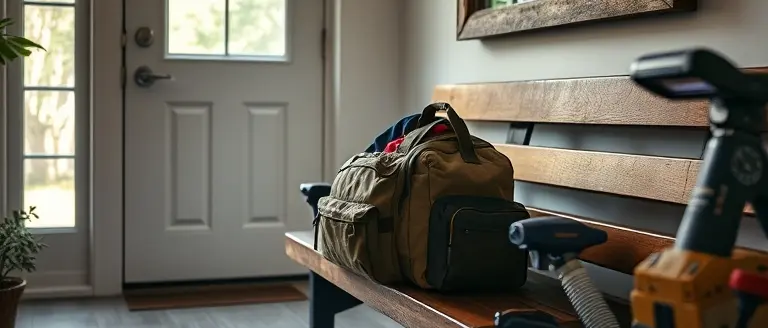
Proactive readiness is your most effective defense against the rapid fire spread associated with a red flag (fire weather) warning. Rather than waiting for an alert to be issued by the National Weather Service, residents in fire-prone regions must maintain a constant state of preparedness. The cornerstone of this readiness is a pre-established Wildfire Action Plan, which ensures every member of your household knows exactly how to react when conditions become volatile.
Creating a Home Ignition Zone
Reducing the vulnerability of your property is a critical long-term strategy. Focus on the “home ignition zone”—the area within 100 feet of your house. To minimize wildfire risk, clear dry vegetation, remove debris from gutters, and ensure that wood piles are stored at a significant distance from any structures. Evidence suggests that maintaining a lean, clean, and green landscape can drastically reduce the chance of embers igniting your home during a period of high wind and low humidity.
The Essential ‘Go-Bag’ and Communication Plan
When a red flag warning is in effect, evacuation orders can happen with little to no notice. Your family should keep an emergency “Go-Bag” packed and easily accessible, containing:
- Important documents (birth certificates, insurance policies, and identification) stored in a waterproof container.
- A three-day supply of non-perishable food and one gallon of water per person per day.
- Portable battery-powered chargers and extra cables for mobile devices.
- Essential medications and a comprehensive first-aid kit.
Furthermore, establish a clear family communication plan. Designate an out-of-area contact person whom every family member can call if local lines are congested. Staying informed through official channels—such as local emergency alert systems and county sheriff social media pages—is vital. By integrating these practices into your annual routine, you transform from a reactive bystander into a resilient resident prepared for any climate-driven challenge.
Master Your Craft Safely, Even When the Winds Rise
Understanding a Red Flag Warning is more than just following government guidelines; it is about taking proactive responsibility for your property and community safety. When atmospheric conditions align to create a high risk of rapid fire spread, the wisest choice is to pause all high-heat outdoor work, including power tool use and construction that could spark an ignition. By staying informed and prepared, you not only protect your home but also ensure the safety of everyone around you.
However, safety shouldn’t mean putting your passion for building on hold. While the weather dictates that you keep your saws and grinders away from dry grass, your creative energy can be perfectly channeled into the safety of your home workshop. This is the ideal time to shift your focus toward intricate, high-quality indoor projects that don’t rely on outdoor elements.
Ted’s Woodworking offers the perfect bridge for this transition. With access to over 16,000 professional-grade, indoor-safe project blueprints, you can maintain your productivity and build high-quality furniture or decor without ever needing to worry about outdoor fire risks. Why let a weather warning stall your progress when you can simply move your craftsmanship indoors and level up your skills in a controlled, safe environment?
 Discover how to keep your projects moving safely indoors—browse our comprehensive library of 16,000 professional woodworking plans.Yes, I Want To Build Safely Now!