

As the global elite gather in Dalian for the 2026 Summer Davos, the conversation surrounding China has taken on a complex, almost paradoxical tone. On one hand, policymakers are championing a new “longevity era,” focusing on the business and societal implications of an aging demographic and the country’s aggressive push into green-tech leadership. Yet, this high-level rhetoric is being challenged by the gritty reality on the ground, where energy analysts report a surprising rebound in coal-fired power generation driven by unpredictable weather patterns and ongoing regional security concerns. This tension between aspirational policy and hard-hitting pragmatism defines the current Chinese landscape.
For the average observer and investor, the challenge lies in filtering through this noise. Whether you are tracking the latest geopolitical developments or trying to catch a glimpse of the Chinese national team in the FIVB Volleyball Nations League, it is clear that China is at a pivotal crossroads. This article peels back the layers of these conflicting narratives, examining how the drive for a healthier, more sustainable future coexists with traditional industrial reliance, and what these shifts mean for your personal long-term strategy.
China in Focus: Dalian Davos, Energy Shifts, and Geopolitical Headlines

As of June 2026, China remains at the center of a complex global news cycle, defined by the juxtaposition of high-level diplomatic outreach and pragmatic domestic policy adjustments. The week is marked by the official opening of the 2026 Summer Davos (Annual Meeting of the New Champions) in Dalian. This forum serves as a stage for Beijing to promote its technological advancements and “longevity economy” strategies, with Premier Li Qiang actively defending the nation’s tech sector against international concerns. Business leaders, including those in the healthcare and digital medicine spaces, are using the event to signal that China remains a critical, albeit evolving, hub for innovation and long-term investment.
However, this outward push for global integration faces significant headwinds. Recent diplomatic friction has intensified following the reported detention of two Japanese citizens on charges related to the smuggling of sensitive materials. This incident has added a layer of geopolitical volatility that complicates the diplomatic optics of the Dalian summit. Concurrently, a major shift in energy policy is drawing scrutiny from analysts. Despite long-term pledges to transition toward green energy, data reveals a surprising rebound in coal-fired power generation for 2026. Experts attribute this trend to two primary factors:
- Climate-Driven Demand: Persistent El Niño patterns have strained the power grid, necessitating increased reliance on baseload coal power to maintain stability.
- Security Pragmatism: Regional security instability has prompted a strategic pivot, prioritizing energy self-sufficiency and supply chain resilience over immediate decarbonization targets.
These developments create a distinct paradox. While China promotes itself as a leader in global green-tech and international cooperation at Davos, the underlying data highlights an energy strategy rooted in survivalism and security. For investors and international observers, understanding the gap between these public-facing diplomatic forums and the reality of localized energy consumption is essential for navigating the current economic landscape in China.
The Davos Dichotomy: Policy Rhetoric Versus Energy Reality
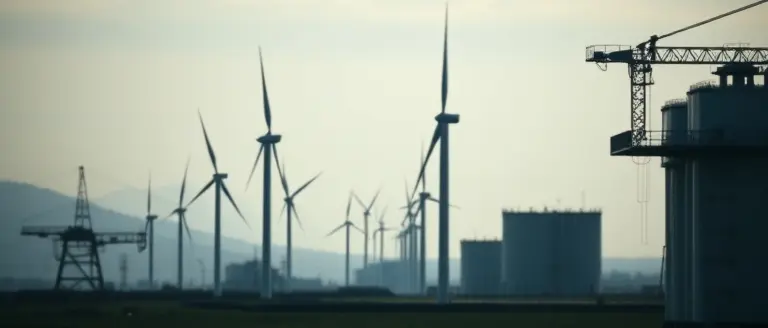
At the 2026 Summer Davos in Dalian, China has positioned itself at the forefront of the global green transition, with leadership emphasizing the “longevity economy” and advanced technology as pillars for future sustainable growth. Premier Li Qiang’s messaging highlights a forward-looking vision, suggesting that the nation’s technological advancements are not a threat, but a global opportunity for collaboration. However, a significant gap has emerged between this high-level policy rhetoric and the empirical energy data characterizing the current landscape. As industry leaders gather to discuss decarbonization, energy analysts are reporting a surprising, pragmatic rebound in the country’s coal-fired power generation for 2026, marking a reversal of the consistent declines observed over the past decade.
Energy Security vs. Decarbonization Goals
The primary driver of this discrepancy is an intense focus on energy security, necessitated by two primary factors: the extreme climate volatility brought on by El Niño and heightened regional security instability. While international observers scrutinize these shifts, data suggests the following catalysts for this coal resurgence:
- Climate Stress: Sustained heatwaves and erratic weather patterns linked to El Niño have placed immense strain on the power grid, forcing a reliance on the most readily available, baseload energy source.
- Energy-Security Pragmatism: Amidst global supply chain uncertainties, policymakers are prioritizing industrial stability over immediate emissions targets, viewing coal as a vital hedge against power shortages.
- Systemic Balancing: Even as renewables continue to expand, the existing grid infrastructure requires a stable coal foundation to balance the intermittency of wind and solar during peak demand periods.
This dichotomy presents a complex picture for investors and global policymakers. While the long-term strategic trajectory of China remains anchored to green-tech innovation, the 2026 energy reality serves as a stark reminder that geopolitical and climate-driven pressures often force a temporary suspension of long-term decarbonization schedules. Analyzing this friction is essential for understanding how the world’s second-largest economy navigates the delicate transition between the rhetoric of a green future and the immediate demands of domestic stability.
The Longevity Economy: Demographic Shifts and Business Implications

At the 2026 Summer Davos in Dalian, industry leaders shifted their focus toward the structural realities of China’s aging population. As the nation navigates a significant demographic transition, the “Longevity Economy” has emerged as a primary pillar for future growth, moving beyond traditional social welfare discussions to become a core focus for global investors. Strategic conversations highlight that while the shrinking workforce presents a traditional macroeconomic challenge, it simultaneously acts as a catalyst for massive technological pivots in automation and healthcare.
Investing in the Silver Economy
Business executives, including representatives from major firms like Ping An, emphasize that the sheer scale of China’s elderly population necessitates a high-tech approach to services. This shift is driving demand in several key sectors poised to capitalize on the demographic reality:
- Automation and Robotics: To offset labor shortages, manufacturers are accelerating the integration of industrial robotics and AI-driven supply chain management, effectively decoupling economic output from human headcount.
- Healthcare Technology: The rise of the Silver Economy is fueling a surge in personalized medicine, remote patient monitoring, and diagnostic AI, as the medical system transitions toward proactive aging support.
- Smart Living Solutions: Developers are pivoting toward integrated, tech-enabled housing and assisted-living infrastructure, a nascent sector that offers significant long-term growth potential for institutional investors.
Evidence from the Dalian forums suggests that the Chinese government is positioning its technological advancements not just as a global competitive tool, but as a domestic necessity to stabilize the longevity era. For investors and international partners, the focus is shifting from generic industrial manufacturing toward specialized, high-margin sectors that directly address the lifestyle and health requirements of an aging demographic. By prioritizing R&D in these fields, China aims to prove that demographic decline can be managed through technological innovation rather than economic contraction.
Investor’s Guide: Tracking Official Policy vs. Observer Data

Navigating the complexities of the Chinese market requires a sophisticated approach to information verification, especially as global interest in China spikes during events like the 2026 Summer Davos. For investors and analysts, the gap between high-level diplomatic rhetoric—such as pledges regarding green-tech leadership—and ground-level economic reality can be significant. To build a reliable investment thesis, you must utilize a structured cross-referencing methodology that pits official government press releases against independent, empirical datasets.
Establishing an Analytical Framework
The primary challenge in monitoring China’s economic policy lies in the disparity between stated long-term goals and immediate, pragmatic pivots. For instance, while state-led forums highlight a transition toward a “longevity economy” and renewable infrastructure, recent data from energy analysts indicates a resurgence in coal-fired power generation. When conducting your research, follow these verification pillars:
- Triangulate Energy Trends: Cross-reference government statements on carbon neutrality with electricity generation reports from independent commodity trackers. A rebound in coal usage often signals a response to energy security or regional supply chain stressors, rather than a shift in long-term green policy.
- Monitor Independent Trade Data: Official trade reports are useful for understanding state-defined focus areas, but they should be verified against vessel-tracking data and port throughput statistics provided by global shipping indices.
- Analyze Demographic Impacts: Use independent labor market studies to assess the “longevity economy.” While official demographic policy is clear, the real-world impact on workforce productivity and healthcare spending is often better reflected in third-party private equity reports and corporate earnings calls from firms operating on the ground in Dalian and Shanghai.
- Track Geopolitical Sentiment: Monitor official statements on legal or diplomatic issues—such as the recent detentions—against the reactions of foreign chambers of commerce. This provides a clearer view of the actual operational risks for international firms compared to the formal diplomatic tone.
By prioritizing these independent metrics, you can avoid the “rhetoric trap” and develop a more nuanced understanding of the systemic paradoxes within the nation’s economic landscape. Effectively distinguishing between aspirational policy and reactive implementation is the most reliable way to gauge the true direction of China’s technological and economic trajectory.
Translating Global Longevity into Personal Vitality
As the 2026 Summer Davos concludes, the paradox of China’s development remains clear: while the world debates the macro-economic shifts of an aging population and the uneasy balance between green-tech rhetoric and coal-fired reality, the most important transition is the one happening within your own body. Navigating the modern world requires more than just staying informed; it requires a proactive approach to maintaining the vitality that allows you to thrive in any climate.
The same time-tested botanical wisdom that has been central to East Asian health traditions for centuries is now being modernized to address the specific needs of the contemporary man. Just as industries are looking to harmonize ancient practices with cutting-edge solutions, you can bridge the gap between traditional herbal knowledge and modern wellness. Protoflow offers exactly that synergy, incorporating powerful ingredients like Chinese Ginseng into a precision-balanced formula designed to support long-term prostate health and restore your natural vigor.
By prioritizing your health today, you are not just reacting to global trends; you are securing your future. Integrating Protoflow into your daily routine is the natural next step in ensuring that your personal “longevity era” is defined by strength, energy, and unwavering confidence.
 Discover how to support your long-term vitality and address the natural aging process with Protoflow’s precision-balanced formula.Transform My Life Today